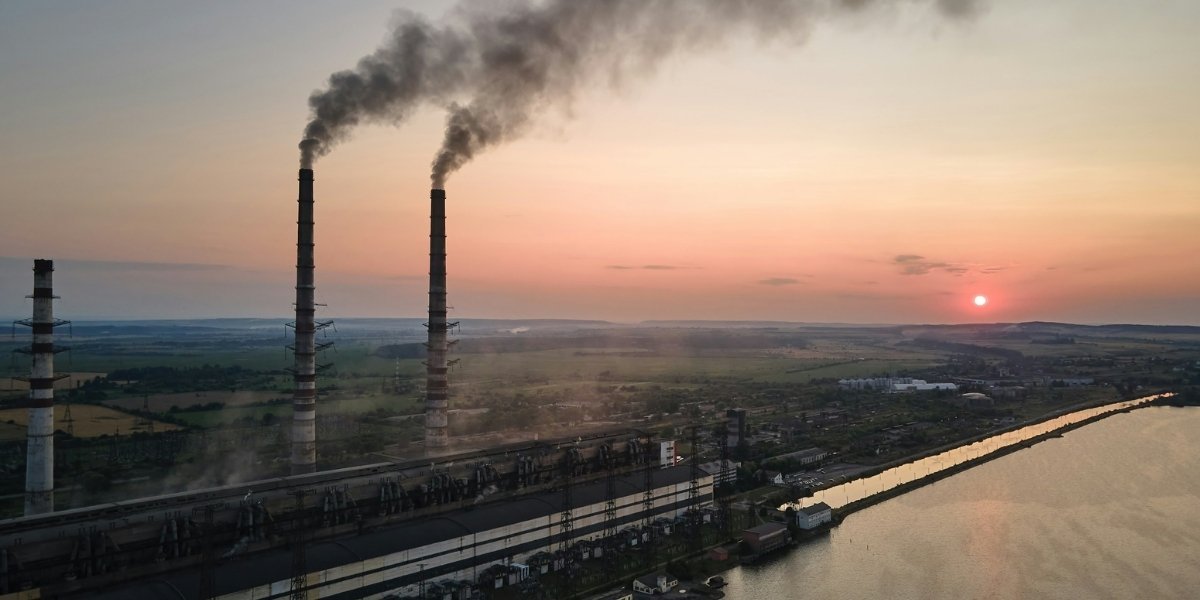
Texas is set to be the site of the first new major oil refinery built in the United States in nearly half a century. Construction is scheduled to begin in 2026 at the Port of Brownsville, with the refinery being developed by America First Refining. This new facility is expected to process domestic shale oil while utilizing advanced technology designed to produce lower-carbon fuels. If the project proceeds as planned, it could offer a significant contribution to the U.S. energy infrastructure, helping to meet growing energy demands both domestically and internationally.
Strategic Location at the Port of Brownsville
The refinery will be situated on more than 240 acres within the Port of Brownsville’s foreign trade zone. The location provides several logistical advantages, including direct access to deep-water ports for international shipping and rail connections to facilitate distribution across the U.S. The facility’s integration with the port systems is expected to streamline operations, enhancing its role in both local and global supply chains. While the exact impact of this strategic location remains to be seen, experts note that such infrastructure could make Brownsville a competitive site for refining and export activities.
Potential Economic Benefits for South Texas
Local officials anticipate that the refinery project could provide an economic boost to the South Texas region. During construction, the project is expected to generate thousands of temporary jobs. Once operational, the refinery is projected to employ around 500 full-time workers. Salaries for these positions are expected to range from $80,000 to $100,000 annually, offering a potential increase in local employment opportunities. In addition to direct jobs, the refinery is expected to stimulate broader economic activity in Brownsville and the surrounding Rio Grande Valley by expanding industrial growth and increasing trade activity through the port.
While the exact scale of these economic benefits remains uncertain, the refinery’s potential to generate both direct and indirect job opportunities has drawn significant attention from local stakeholders. With a focus on expanding the regional workforce, the project is seen as an important development for the future of the area.
Reinforcing U.S. Refining Capacity Amid Global Demand
The announcement of the Brownsville refinery comes at a time when U.S. refining capacity has largely remained stagnant for several decades. The new refinery will be the first major facility of its kind to be built in the United States since the 1970s. As energy demand continues to rise globally, the need for domestic refining capacity has been increasingly recognized. By bringing a new refinery online, the project aims to address some of the gaps in U.S. refining capabilities, particularly in terms of processing shale oil and meeting evolving environmental standards.
The refinery is expected to employ modern technology, including systems designed to produce low-carbon fuels. While the full environmental and technological impacts are yet to be fully assessed, proponents of the project argue that these systems could make the refinery more environmentally responsible compared to older facilities.
Filling the Gaps in U.S. Refining Infrastructure
Over the past few decades, the U.S. has largely focused on upgrading and expanding existing refineries rather than building new ones. The Brownsville refinery could mark a shift in this trend, with the potential to add significant capacity to the country’s refining sector. The plant is expected to process a variety of crude oils, with a particular focus on domestic shale oil, which has become a key part of U.S. production in recent years.
As the U.S. seeks to reduce its reliance on foreign refining capacity, the refinery could serve an important role in increasing domestic production. The addition of this new facility would help improve the country’s energy security while also allowing for more efficient processing of resources extracted from shale deposits. While it remains to be seen how the refinery will impact energy markets, it could be a step toward a more self-sufficient U.S. energy sector.
Challenges and Regulatory Considerations
As with any major infrastructure project, the Brownsville refinery will face a variety of regulatory and environmental challenges. The facility is subject to permitting requirements and oversight by various federal and state agencies, which will likely assess the potential environmental impacts of its construction and operation. Concerns have been raised by some environmental groups, particularly regarding emissions and the refinery’s potential environmental footprint. These issues will need to be addressed as the project moves through the permitting and approval process.
America First Refining has emphasized that it intends to use modern, more efficient technologies in its refinery design to reduce emissions and improve environmental performance. However, the effectiveness of these measures remains to be seen, and the project will likely face ongoing scrutiny as it progresses. The refinery’s environmental impact will be a key focus as stakeholders weigh the benefits of job creation and increased energy production against potential environmental concerns.
Impact on the Energy Landscape
The groundbreaking of the Brownsville refinery is expected to represent a significant step in the evolution of U.S. refining infrastructure. While the refinery is still in the early stages of development, its potential to address energy demands and contribute to the growth of the U.S. energy sector is considerable. If successful, the facility could play a role in strengthening the U.S.’s position as a global energy producer, while also offering economic benefits to South Texas and beyond.
At the same time, the project’s environmental and regulatory hurdles will need to be carefully managed. The coming years will likely reveal how the refinery’s technology and operational practices align with evolving environmental standards and public expectations. As the project continues to develop, it will be closely watched by both industry experts and local stakeholders.