While Texas and other southern states are known for long summers and plenty of sunshine, winter can still bring chilly mornings, gray days, and fewer hours of natural light — especially in January, the coldest month across much of the Southeast. As daylight shrinks, many people experience shifts in mood and energy. According to the Cleveland Clinic, reduced sunlight can affect serotonin levels and disrupt sleep cycles, potentially contributing to seasonal mood changes and lower motivation.
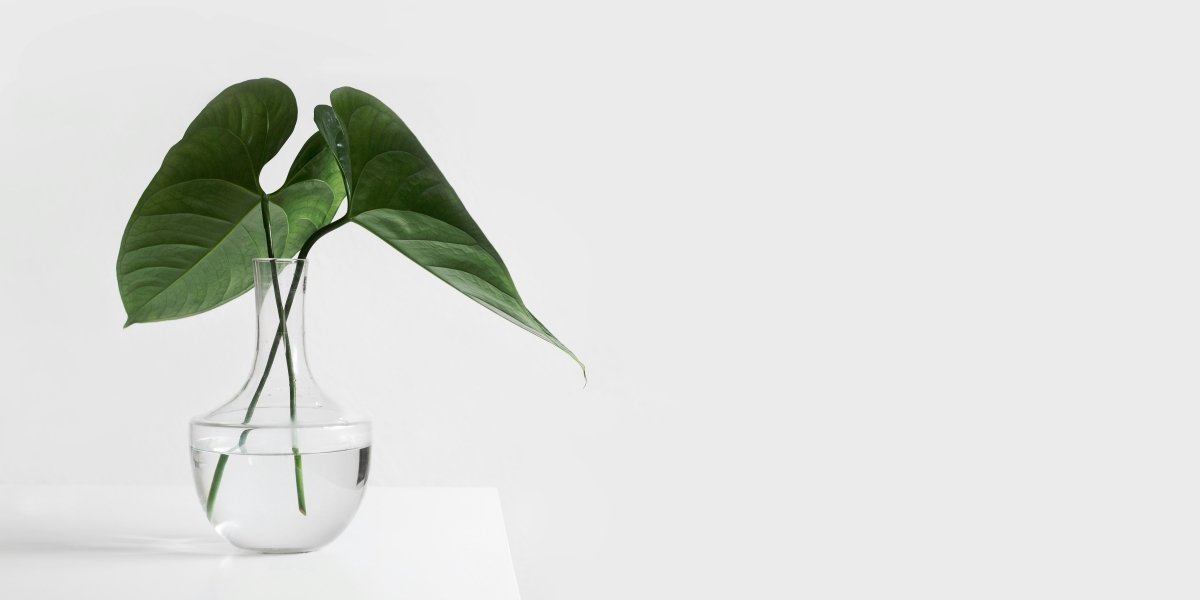
As people spend more time indoors during winter, their homes play a larger role in supporting comfort and emotional well-being. Design trends show a growing emphasis on wellness-focused interiors, where natural elements may help counter the effects of darker days. Indoor plants, especially varieties that thrive in low-light conditions, have become a simple yet potentially effective way to bring warmth, balance, and a sense of calm into everyday living spaces.
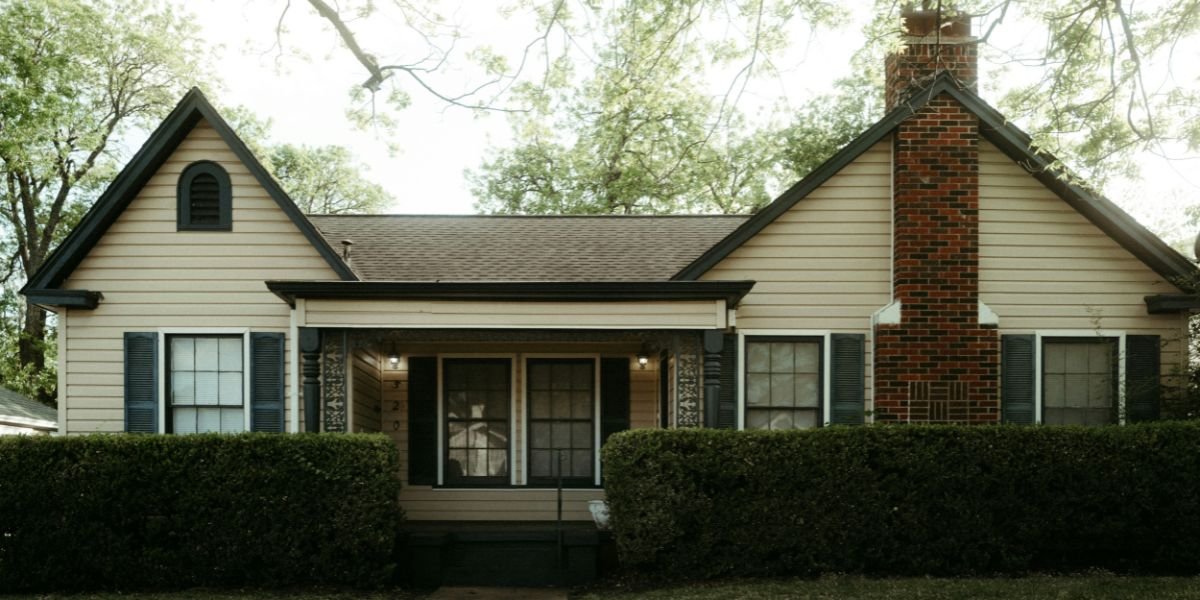
This seasonal shift is contributing to a renewed interest in low-light indoor plants among homeowners throughout Texas, Georgia, Florida, Alabama, and the Carolinas. Whether you live in a Dallas high-rise, a Houston townhome, or a bungalow anywhere in the Southeast, the right indoor plants may help make your home feel warmer, calmer, and more alive all winter long.
Everglades Farm — a Florida nursery known for its high-quality tropical fruit trees and plants and nationwide shipping — offers several indoor varieties that tend to perform well even when sunlight is limited. Below are four standout low-light plants that could potentially elevate your space during the cold season.
1. Alocasia Green Unicorn
With tall, glossy leaves and a sculptural silhouette, the Alocasia Green Unicorn can help upgrade any room.
Why it works across the Southeast:
- Thrives in soft, filtered light common in winter
- Adds tropical energy that could help counter gray skies
- Compact size makes it potentially ideal for desks, side tables, or stylish corners
Ideal for: Apartments in Atlanta, home offices in Dallas, or brightening up cozy reading nooks anywhere in the region.
2. Alocasia Low Rider
A smaller, sturdy variety that stays lush with relatively little effort.
Why it thrives in southern homes:
- Performs well in medium-to-low light rooms
- Maintains its vibrant color through colder months
- Great for small spaces, from Texas dorm rooms to coastal cottages
Ideal for: Minimalist setups in Austin, bedside tables in Charlotte, or grouped plant displays across the Southeast.
3. Golden Pothos
A southern favorite thanks to its resilience, fast growth, and forgiving nature.
Why it’s a regional standout:
- Handles low light, temperature swings, and occasional neglect
- Continues trailing beautifully even in dim rooms
- Known to help improve indoor air quality
Ideal for: Humid bathrooms in Houston, windowless hallways in Birmingham, or kitchen shelves in Nashville.
4. Aglaonema Osaka White
If you want brightness without relying on sunlight, this aglaonema could offer a viable option.
Why it’s ideal for the Southeast:
- Maintains bold, white variegation in low to medium light
- Requires very little maintenance — ideal for busy households
- Could help balance indoor humidity during heater season
Ideal for: Living rooms in San Antonio, entryways in Savannah, and home offices throughout the South.
Why Low-Light Plants Matter During Southern Winters
Even in the Southeast — where winters are milder than in northern states — the colder season still brings:
- Shorter days and reduced sunlight
- More time spent indoors
- Dry indoor air from heating systems
- Seasonal mood fluctuations associated with low light exposure
Low-light indoor plants may help counter these changes by:
- Supporting emotional well-being
- Adding lush color and texture to winter décor
- Improving humidity and indoor air quality
- Making homes feel warmer, cozier, and more inviting
Research continues to show that interacting with plants indoors can support mental well-being, reduce stress, and create a greater sense of routine during winter months. Caring for low-light houseplants offers a gentle, grounding activity that may help people stay connected to nature, even when outdoor gardening isn’t an option.
For Texans and neighbors across the Southeast, Everglades Farm’s easy-care houseplants offer a practical and beautiful way to stay connected to nature throughout the winter months.