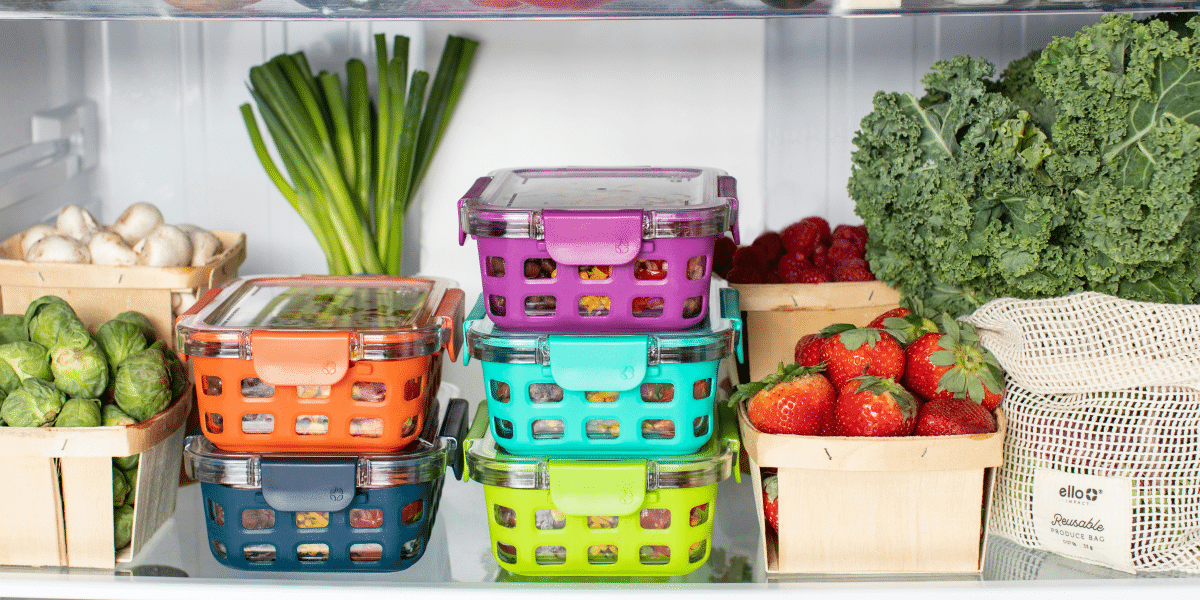
Proper food storage is one of the most effective ways to streamline meal prep and manage long-term food planning. From extending the freshness of ingredients to preventing contamination, knowing how to store food well is a game-changer for anyone looking to save time, reduce waste, and maximize the quality of meals. Whether planning meals for a busy week or preparing for long-term use, here’s how proper food storage can make a difference.
Maximizing Meal Prep Efficiency with Organized Storage
Proper food storage is crucial for meal prepping. Organizing food items in your fridge, freezer, and pantry saves precious minutes daily and reduces the need for last-minute trips to the grocery store. This approach also makes it easier to plan various meals ahead of time without worrying about spoiled ingredients or a chaotic kitchen setup.
Designate clear sections in your fridge and pantry for various categories: vegetables, meats, grains, dairy, and sauces. When ingredients are grouped in their respective spots, it’s easier to grab what you need while prepping. Meal preppers also benefit significantly from using airtight containers for storing pre-cooked items. Airtight containers lock out excess moisture and oxygen, often the leading causes of quick spoilage and loss of flavor. Vacuum-sealed bags or glass containers store items like cooked grains, salads, and even full meal portions that can be warmed up quickly.
In the freezer, label containers or bags with the name and date of the item. This small step prevents any guessing games a few weeks down the line, helping you keep track of what’s been prepped and stored. By managing food storage with intention, your meal prep will be more efficient, less stressful, and yield meals that taste as fresh as possible.
Preventing Food Waste with Proper Storage Techniques
Proper food storage techniques are crucial for preventing food waste, as they help keep your groceries fresh for longer. According to food waste researchers, a significant percentage of food waste happens at home, much of it due to improper storage or misunderstandings about how different foods should be handled. For meal preppers and planners, this translates to more frequent grocery shopping and potentially wasted ingredients if they go bad before use.
Understanding the optimal storage conditions for various foods is essential to combat this. For example, fresh fruits and vegetables should be stored in designated crisper drawers with different humidity settings for leafy greens versus items like carrots and bell peppers. Leafy greens require higher humidity to avoid wilting, while root vegetables do better in a lower humidity setting. Meat and dairy, on the other hand, should be stored in the coldest section of the fridge, typically the bottom shelf or in specially designed meat drawers.
In the pantry, items like grains, cereals, and pasta can be stored in dry, airtight containers to maintain freshness and avoid pests. Whole grains, nuts, and seeds can go rancid if exposed to too much air, so they should be stored in cool, dark spaces—ideally away from the stove or any heat source. Proper food storage not only prolongs the freshness of your ingredients but also prevents pantry pests, mold, and spoilage. These techniques help reduce waste and ensure that every grocery dollar goes further.
Long-Term Food Planning with Effective Freezing and Preservation
Long-term food planning is key for those looking to save time during the week, especially families or individuals with busy schedules. Freezing and preserving are some of the most reliable methods for storing food long-term, but they must be done appropriately to retain the nutritional value and taste of ingredients. By learning how to freeze and store various items, you’ll have ready-to-eat meals and ingredients waiting in your freezer, making daily meal preparation much faster and more convenient.
When freezing meals, soups, or sauces, allow the food to cool completely before placing it in airtight containers. Leaving room for the food to expand in the freezer helps maintain the quality of the ingredients. For items like fresh vegetables, blanching them briefly before freezing locks in their color, flavor, and texture. Vegetables like broccoli, carrots, and green beans benefit significantly from this method and will hold up better in long-term storage.
Beyond freezing, some items benefit from preservation techniques like pickling, fermenting, or dehydrating. Dehydrated vegetables and fruits can make quick meal additions and are shelf-stable, saving freezer space. Pickling is another option for cucumbers, carrots, and onions, which can be stored in jars and used as condiments or meal additions. These methods extend the life of fresh produce and add variety to meals, even when certain items are out of season.
Proper food storage is crucial in long-term planning. It ensures that you’re using every bit of your groceries, saving time and reducing dependency on daily grocery trips. By creating a habit of preserving and storing food correctly, you’ll keep ingredients fresh and help build a more organized, budget-friendly meal plan.
Published by: Josh Tatunay