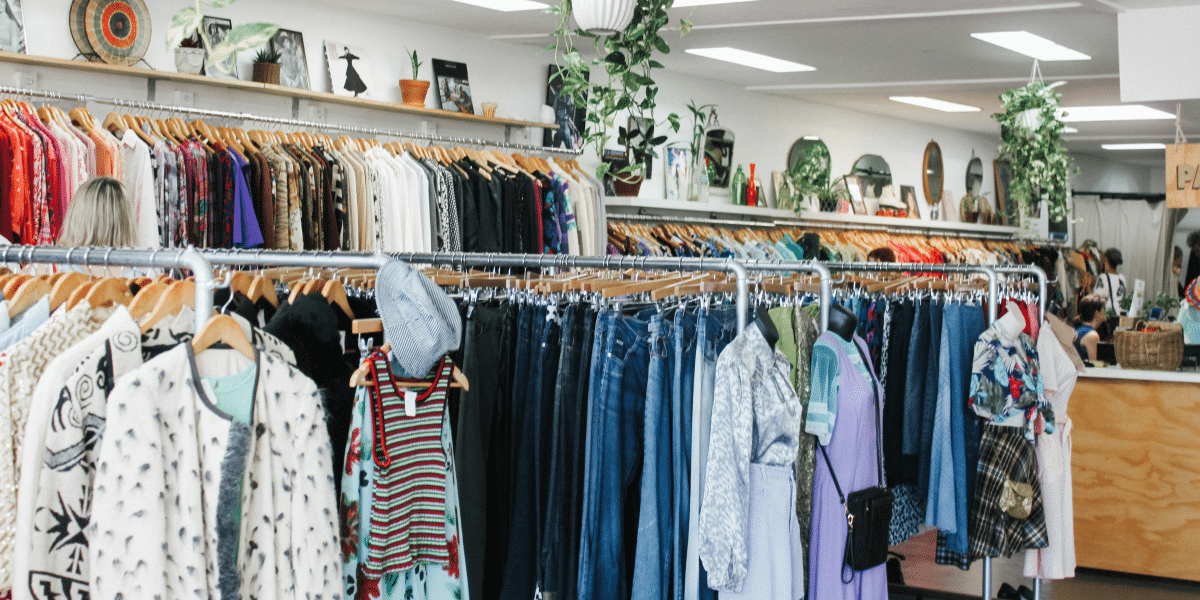
Thrifting and sustainable fashion are rapidly gaining momentum as eco-friendly alternatives to traditional retail shopping. As consumers become increasingly conscious of their environmental impact, many are turning to thrift stores, vintage shops, and second-hand markets to find stylish, one-of-a-kind pieces while reducing waste. The trend toward sustainable fashion is good for the planet and a way for individuals to express their unique sense of style in a world where fast fashion dominates.
The Rise of Thrifting in Fashion
Thrifting has long been associated with bargain hunting and nostalgia, but today, it is a major trend embraced by fashion-forward consumers and influencers alike. As awareness of the environmental impact of fast fashion grows, more people are seeking affordable and sustainable alternatives. Thrift stores offer a treasure trove of clothing, accessories, and even furniture, giving shoppers the chance to find unique items while supporting a circular economy.
The rise of online platforms like Depop, Poshmark, and ThredUp has also made second-hand shopping more accessible than ever. These platforms allow individuals to buy and sell gently used items, further extending the life cycle of clothing and reducing waste. Whether shopping in physical thrift stores or through online resale platforms, thrifting is now seen as a chic and environmentally responsible way to curate a wardrobe.
The Environmental Benefits of Sustainable Fashion
Sustainable fashion is rooted in the idea of minimizing waste and reducing the environmental impact of clothing production. The fast fashion industry, known for producing cheap, disposable clothing at a rapid pace, is one of the largest contributors to pollution and waste. By choosing to buy second-hand or opting for clothing made from sustainable materials, consumers are helping to reduce the demand for fast fashion and its negative impact on the environment.
Thrifting plays a critical role in this movement by promoting the reuse of clothing. By giving garments a second life, thrifting helps reduce textile waste that would otherwise end up in landfills. It also lowers the need for new clothing production, which is resource-intensive, requiring large amounts of water, energy, and raw materials. Thrifting and sustainable fashion are key components of a more eco-conscious approach to dressing, allowing consumers to enjoy fashion without contributing to environmental degradation.
Thrifted Fashion as a Unique Style Statement
In addition to being eco-friendly, thrifting offers a way for individuals to express their personal style in a way that mass-produced clothing cannot. Vintage and second-hand items often have a unique character, offering shoppers the opportunity to find rare or out-of-production pieces that stand out from the mainstream. Whether it’s a 1970s denim jacket, a retro designer handbag, or a pair of vintage boots, thrifted items bring authenticity and originality to a wardrobe.
Sustainable fashion also encourages creativity. By mixing thrifted items with modern pieces, fashion enthusiasts can create looks that reflect their personality and taste. The focus on quality over quantity in sustainable fashion also leads to more thoughtful shopping decisions, with consumers choosing items that have a timeless appeal and will last for years.
Supporting Ethical and Local Economies
Thrifting and sustainable fashion are good for the environment and help support ethical and local economies. Many thrift stores are run by charitable organizations, and the proceeds go to support community initiatives or provide job opportunities. By shopping at these stores, consumers can contribute to social causes while finding great deals on clothing and accessories.
In addition, the rise of independent, sustainable fashion brands is giving shoppers more options for eco-friendly clothing. These brands prioritize ethical production practices, use sustainable materials, and often work with local artisans to create their designs. By supporting these businesses, consumers invest in ethical fashion and promote fair labor practices.
The Future of Sustainable Fashion
As thrifting and sustainable fashion continue gaining popularity, the fashion industry is forced to rethink its practices. More brands are adopting sustainable production methods, incorporating recycled materials, and creating clothing that is designed to last longer. Consumers, too, are becoming more mindful of their shopping habits, opting for quality over quantity and seeking out brands that align with their values.
The movement toward sustainable fashion is not just a trend; it’s a growing shift in how people view and consume fashion. Thrifting, once seen as a niche activity, is now mainstream, with influencers and fashion icons alike embracing second-hand shopping as both stylish and responsible. As the demand for eco-friendly options increases, the fashion industry is likely to see continued innovation in sustainable design and production.
Conclusion: Fashion for a Greener Future
Thrifting and sustainable fashion offer a win-win solution for consumers looking to reduce their environmental impact while still enjoying trendy, stylish clothing. By choosing second-hand and eco-friendly options, shoppers are playing a crucial role in combating the waste and environmental damage caused by fast fashion. As this movement continues to grow, it is helping to shape a more sustainable, ethical, and creative future for fashion.
For more insights on thrifting and sustainable fashion, read the full article groovetribune.com.
Published by: Josh Tatunay