Not all vehicle accidents are created equal. When a crash involves a large commercial truck, the legal process that follows is often far more complicated than a standard car accident case. In Georgia, truck accident claims bring added layers of complexity due to multiple responsible parties, extensive regulations, higher insurance coverage, and the severity of injuries involved. Understanding why these cases are so different can help victims take the right steps to protect their legal rights.
One of the biggest differences in truck accident claims is the number of parties who may be held liable. In a typical car accident, liability usually rests with one of the drivers involved. But in a truck accident, responsibility might extend beyond the driver to include the trucking company, the vehicle’s owner, cargo loaders, maintenance contractors, or even the truck’s manufacturer. Each of these parties may carry separate insurance policies and legal teams, which makes it critical to work with a Georgia personal injury lawyer who knows how to investigate layered liability.
Another factor that makes truck accident claims more complex is the web of state and federal regulations that govern commercial trucking. Most commercial trucks—especially long-haul 18-wheelers and tractor-trailers—are subject to the Federal Motor Carrier Safety Administration (FMCSA). These regulations cover everything from how many hours a driver can operate without a break to how cargo must be secured. If a driver or company violates these rules, it could strengthen your claim. However, proving these violations often requires collecting specific evidence such as logbooks, GPS data, maintenance records, and internal company communications. That level of investigation isn’t typically required in a standard car crash.
Truck accidents also tend to cause more serious injuries, including traumatic brain injuries, spinal cord damage, amputations, or even fatalities. Because of this, the financial stakes are significantly higher. Medical bills, rehabilitation costs, lost wages, and long-term care can add up quickly, and insurance companies will often push back hard against high-dollar claims. To make matters more challenging, trucking companies often deploy rapid-response teams immediately after a crash to collect evidence that supports their side. This puts victims at a disadvantage unless they act quickly and retain experienced legal counsel.
Insurance policies also play a major role in the complexity of truck accident cases. Commercial vehicles are required to carry much higher coverage limits than passenger vehicles, which means there’s more at stake—and more incentive for insurance companies to dispute liability. In some cases, multiple insurance carriers may be involved, especially when the truck is owned by one company, operated by another, and hauling cargo for a third party. Navigating this web of coverage takes legal skill and persistence.
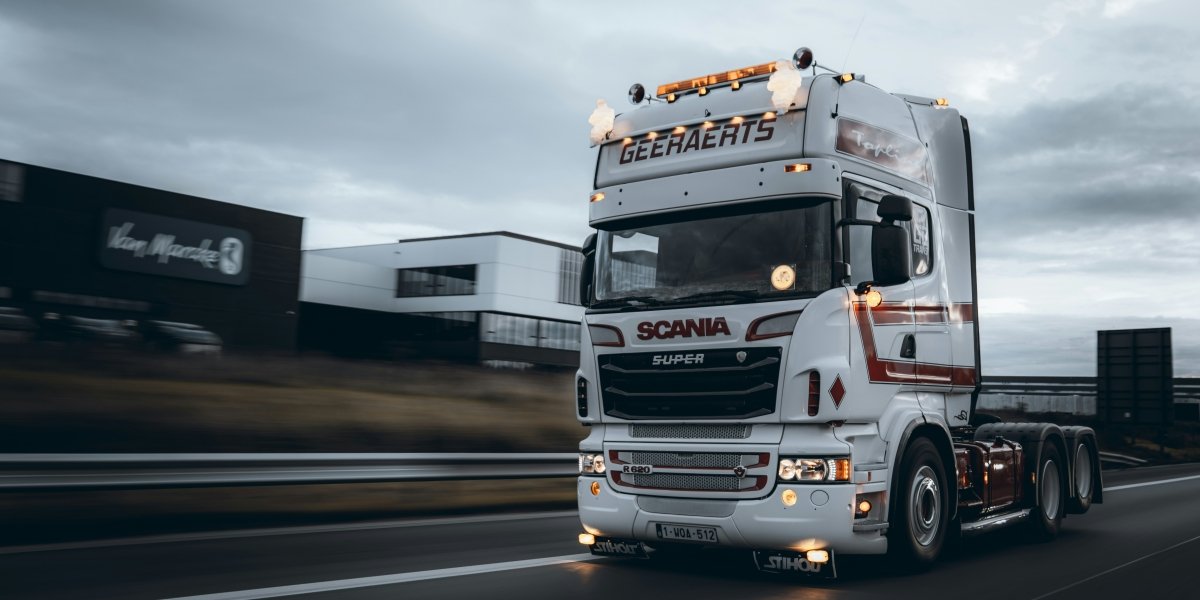
The type of truck involved in the crash can also influence how the case is handled. Each type of commercial truck has its own unique risk factors and operational standards. For example, crashes involving 18-wheelers are often tied to driver fatigue, long-distance schedules, or jackknife incidents. In those cases, it’s ideal to consult a Georgia 18 wheeler accident lawyer who understands the nuances of long-haul trucking claims. If a tractor-trailer is involved in a delivery route or regional transport, a Georgia tractor trailer accident lawyer may be the right choice. And for accidents involving city or construction vehicles, a knowledgeable Atlanta dump truck accident lawyer can offer the right expertise.
In addition to liability, regulations, and insurance, there’s the issue of evidence preservation. Trucking companies are only required to keep certain records—like black box data or driving logs—for a limited time. If these records are not secured promptly, they can be legally destroyed, which may erase key evidence. This is why victims need to act quickly after a truck crash. Having a legal team that can send preservation letters and secure time-sensitive data is often the difference between winning and losing a case.
Finally, truck accident claims are typically more adversarial than car accident claims. You’re not just dealing with another driver—you’re up against corporations with their own legal departments and insurance carriers. These companies have every incentive to minimize payouts, shift blame, or drag the case out. Without the right legal strategy, it’s easy for victims to feel overwhelmed and under-compensated.
In short, Georgia truck accident claims are more complex than car accident cases for many reasons: multiple liable parties, strict regulations, higher financial stakes, and more aggressive opposition. If you’ve been injured in a crash involving a commercial vehicle, the correct move is to consult an attorney who has specific experience with truck accidents. The sooner you act, the better your chances of recovering the full compensation you deserve.
Disclaimer: The information provided in this article is for general informational purposes only and should not be construed as legal advice. Every truck accident case is unique, and outcomes may vary based on the specific facts and circumstances. If you have been involved in a truck accident and believe that driver fatigue or logbook violations may have played a role, it is important to consult with a qualified attorney who specializes in personal injury and trucking law in Georgia.
Published by Jeremy S.