By: Alena Wiese
A Richardson-based clinical summit is bringing advanced neuropathy training directly to North Texas providers.
Across the Dallas–Fort Worth metroplex, clinicians are seeing a steady rise in patients presenting with numbness, tingling, burning pain, balance instability, and unexplained sensory changes. These symptoms—often grouped under the umbrella of peripheral neuropathy—have become increasingly common in outpatient practices serving North Texas’s aging and metabolically complex population.
Yet despite how frequently neuropathy appears in clinical settings, many providers acknowledge that they were never given a structured system for evaluating or explaining it. The result is a condition that consumes time, creates uncertainty, and frustrates both clinicians and patients.
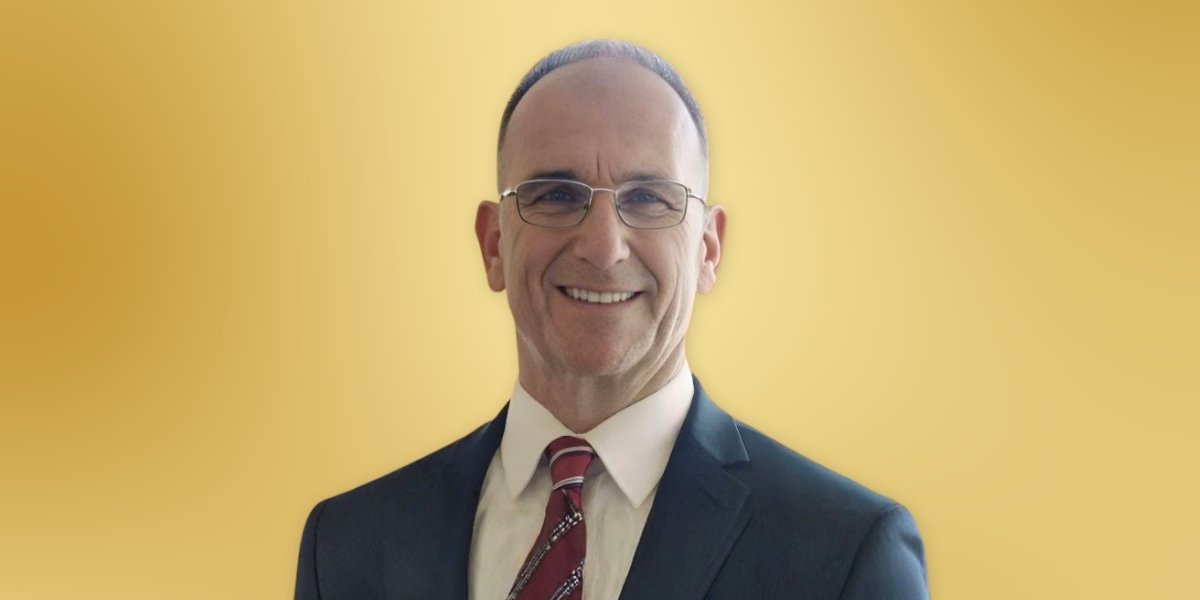
That gap is precisely why a growing number of Texas providers are paying attention to Dr. Michael W. Mathesie, a Certified Laser Practitioner and board-certified rehabilitation specialist who will lead a three-hour Neuropathy Deep Dive at The Shift Summit, taking place February 21, 2026, in Richardson, Texas.
Neuropathy Is No Longer an “Edge Case” in North Texas
Dallas–Fort Worth is one of the fastest-growing regions in the country, with a large and diverse patient population. Clinicians across chiropractic, primary care, physical therapy, and regenerative medicine report that neuropathy-related complaints are no longer occasional—they are becoming more routine.
Texas has one of the highest populations of adults living with diabetes and metabolic disease, both of which are strongly associated with peripheral neuropathy. Add in medication-related nerve effects, mechanical stress, and age-related degeneration, and neuropathy becomes a frequent—but often poorly defined—clinical challenge.
For many providers, the issue is not lack of effort or concern. It is lack of structure.
Neuropathy patients rarely present with a single, clean diagnosis. They arrive with overlapping symptoms, prior care histories, and emotional fatigue from being told that their condition is permanent or untreatable. Without a repeatable framework, clinicians are left managing uncertainty instead of leading care.
Why Dr. Michael W. Mathesie’s Approach Is Resonating
Dr. Mathesie’s work stands out because it addresses neuropathy as a clinical reasoning problem, not a modality problem.
With decades of experience in rehabilitation, neurological assessment, and conservative care, Dr. Mathesie has spent much of his career treating patients whose symptoms do not fit neatly into orthopedic or pain-based models. As a board-certified Diplomate of the American Chiropractic Rehabilitation Board (DACRB), a former board member of the Florida Board of Chiropractic Medicine, and a Certified Laser Practitioner, his background reflects the interdisciplinary thinking neuropathy requires.
Rather than focusing on protocols or one-size-fits-all treatments, Dr. Mathesie teaches clinicians how to think through neuropathy systematically—how to classify what they are seeing, how to examine it clearly, and how to explain it in a way patients can understand.
That distinction matters to clinicians who are tired of guessing.
What the Neuropathy Deep Dive Actually Teaches
At The Shift Summit, Dr. Mathesie will lead a three-hour intensive workshop titled “SHIFT Your Approach to Peripheral Neuropathy for More Effective Outcomes.” The session is designed specifically for practicing clinicians who are looking for clarity, not theory.
The workshop focuses on practical, defensible skills, including:
- Differentiating small-fiber vs. large-fiber neuropathy
- Identifying sensory, motor, and autonomic involvement
- Conducting neuropathy-focused patient histories that reveal contributing factors
- Performing clear, repeatable physical and neurological exams
- Using screening tools and patient-reported outcome measures (PROMs) to track change
- Forming confident clinical impressions within scope
- Knowing when conservative care is appropriate versus referral or co-management
Equally important, the session emphasizes patient communication—how to explain neuropathy in clear, patient-friendly language that creates certainty rather than fear.
For many clinicians, this is the missing piece. Patients do not comply with care plans they do not understand. Neuropathy cases often fail not because of treatment choice, but because the condition was never clearly explained.
Why This Matters Specifically in Dallas–Fort Worth
The North Texas region presents unique clinical pressures. High patient volumes, diverse demographics, and growing demand for conservative care mean that clinicians must be efficient without sacrificing quality.
Neuropathy cases, when poorly systematized, disrupt workflows. They take longer to evaluate, require more explanation, and increase documentation demands. Without a clear approach, these cases can feel risky and draining.
Dr. Mathesie’s framework addresses this reality directly. By giving clinicians a structured way to evaluate and explain neuropathy, his approach helps restore confidence for both provider and patient.
That is why his session is drawing interest from chiropractors, general practitioners, physical therapists, and regenerative care providers across the Dallas–Fort Worth corridor.
The Shift Summit: More Than a Single Workshop
While the Neuropathy Deep Dive is a centerpiece of the event, The Shift Summit is designed as a broader clinical and leadership experience for conservative care providers.
The event brings together experts in regenerative care, clinical leadership, performance, and practice sustainability, including Dr. Robert Hanopole and Dr. Michael Rubenstein, co-founders of ReliefNow® Laser Centers.
Rather than functioning as a promotional conference, the Summit emphasizes how care is actually delivered in modern practices—where clinical clarity, patient experience, and operational systems must work together.
Why Richardson Was the Right Location
Hosting The Shift Summit in Richardson was a strategic decision. The city sits at the heart of North Texas’s clinical ecosystem, making it accessible to providers throughout Dallas, Plano, Frisco, Allen, McKinney, and surrounding communities.
This is not a destination event designed to impress. It is a regional working summit designed to equip clinicians with tools they can apply immediately.
For Dallas–Fort Worth providers who want advanced education without leaving the state—or wading through generic conference content—the Summit offers a rare opportunity to engage with applied clinical thinking at a high level.
A Shift Toward Clinical Certainty
Peripheral neuropathy is no longer a condition clinicians can afford to approach casually. It demands structure, clarity, and leadership—qualities that many providers are actively seeking to strengthen as patient complexity increases.
Dr. Michael W. Mathesie’s Neuropathy Deep Dive, delivered at The Shift Summit in Richardson, reflects a broader shift happening in conservative care: away from guessing, and toward systems that support confident, defensible clinical decision-making.
For North Texas clinicians who are already seeing neuropathy walk through their doors, the message is straightforward: the condition isn’t going away. The question is whether providers are ready to lead it effectively.
The Shift Summit
February 21, 2026
Richardson, Texas
Learn more and register: https://event.reliefnowlaserdoc.com/theshiftsummit
Disclaimer: The information provided in this article is for general informational purposes only and is not intended as medical advice. Clinicians should consult with a healthcare professional for individual medical recommendations and treatments.