Your bathroom mirror gets foggy in just a few seconds. The AC makes water build up through the summer. When it rains, the crawl space gets a damp, earthy smell that stays around for weeks. There has not been a flood, and the house has not ever had water getting in, but it still feels like everything stays a little bit wet.
You’re not imagining it.
Houston stays humid most of the year, with the air holding over 70 percent moisture. This steady dampness mixes with regular rain, bayou areas that drain slowly, and HVAC systems that are always working. It leads to mold growing all the time. Mold can show up even in homes that do not get flooded and never will, not just after big storms.
For people who own homes in Houston, mold is not just an emergency. It is always around in the air. You have to know about it and keep an eye on it to stop problems.
The Baseline Humidity Problem
Houston is on a flat area near the coast. The city has a Gulf-type of weather. That means:
- In the summer, the humidity is usually more than 80 percent. Early in the morning, it can be close to 100 percent.
- Even in the winter, the humidity is still high, with an average near 70 percent.
- Each year, there is about 49 to 51 inches of rain. Most rain falls in the spring or from heavy showers, but there is some rain all year.
- The land holds water for weeks after it rains. This is because the area is flat and water does not flow away well.
For context: People in America think Seattle is always wet because it gets about 38 inches of rain every year. Houston gets 30 percent more rain than that. The ground in Houston is also more flat, so the water stays there longer.
If there is moisture that stays for a long time, that is the setup mold needs. When you add even a bit of water from a slow roof leak, HVAC water problem, or water moving up from the floor, mold will get what it needs to grow.
How HVAC Systems Feed Houston’s Mold Problem
In Houston, heavy AC use creates large temperature drops that produce significant moisture. Older systems can develop clogged or damaged drains, causing water to leak into attics or walls. Even if the home feels cool, hidden moisture can build up and lead to mold growth over time without being noticed.
The Bayou System and Groundwater Saturation
Houston’s geography worsens moisture issues. Extensive bayous and slow drainage keep soil wet for long periods, allowing moisture to seep into slabs and crawl spaces. Older homes with poor vapor barriers or foundation cracks are especially vulnerable, making mold a risk even in higher areas due to constant humidity.
The Hidden Mold Timeline
Visible mold is a late sign. By the time you notice stains or musty smells, it has likely been growing for weeks or months inside walls, insulation, ducts, or floors. In Houston, mold often spreads unseen, and air testing is the only way to detect it early.
Why Standard Inspections and Casual Observations Miss It
A regular walk-through of your home, or even looking at it with a real estate agent, will not help you find hidden mold. You might see clear stains if you open up the walls or look up in the attic. But most homes in Houston do not show easy-to-see signs, even if there is a lot of mold growing inside the place.
Air samples check the number of spores in your indoor air and compare it to the number outside. If there are more spores inside than outside, that means there is active mold growing in your building. You may not see it yet, but the air is showing you that mold is there.
When you put together surface samples with air data, you can see if any stains you find are making new spores or if they are just old and not active anymore.
When you use air and surface sampling together, you get a clear picture of what is really growing in your home.
The Assessor-Only Advantage
Texas law says that the people who check for mold and the people who clean it up must not be the same. A licensed Mold Assessment Consultant looks at the property. A different licensed remediation contractor does the cleanup if it is needed.
This law is there because if the person who checks the site also gets paid when cleaning it, they might say more work needs to be done. A person who only gets paid for checking does not feel the same way. The report will show what is really there.
For people in Houston who own property, it is important to deal with the high moisture and mold in the area. That separation is critical. Your assessment is just clear proof of the way things are. It is not trying to sell you a $15,000 fix.
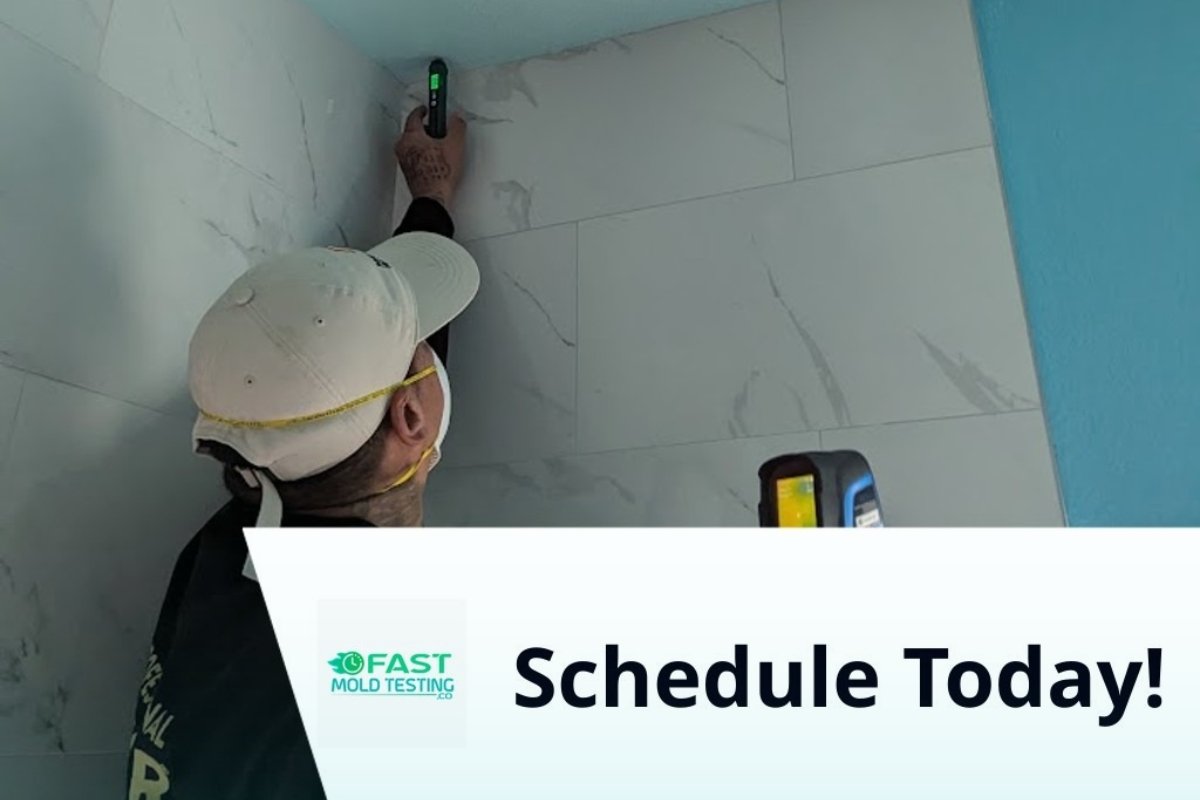
What Active Mold in Houston Air Looks Like
If your home has:
- HVAC condensate problems or old AC equipment
- An attic that does not have good airflow or insulation that has sunk
- A basement or crawl space that smells earthy, even if there has not been water lately
- Close to a bayou or in a low area
- Built before the 1990s with old HVAC and not many vapor barriers
An air sample might show that there are more spores inside than what is found outdoors. That does not mean everything is bad. It is just information. It helps you know where to start fixing things. Most of the time, you should check the HVAC system, attic airflow, or deal with wet places under the house.
Finding the problem early stops it from getting bigger. The growth does not get to the point where you can see it, spend a lot of money on it, or deal with air troubles inside.
FAQs
Is it normal for Houston homes to have mold in the air? Yes. High humidity often leads to elevated indoor mold spores, especially on humid days.
My home has not had any flooding. Why does it have mold? Humidity, HVAC issues, roof leaks, poor ventilation, and ground moisture can all cause dampness where mold grows.
What is the difference between air sampling and surface sampling?
Air tests measure mold levels inside versus outside. Surface tests identify mold on visible spots. Both are needed for a full assessment.
Should I get a mold check even if I do not see visible mold?
Yes, especially in older homes, near water sources, or if there is a musty smell. Mold is often hidden.
What causes that earthy smell in my crawl space or basement? Moisture, mold, and mildew, often from damp crawl spaces. Testing can confirm the issue.
How much does a mold assessment cost? Typically $300 to $600, depending on the property. It is a small cost compared to major mold repairs.
Understanding Mold as a Houston Reality
Houston’s climate is not a problem. It is something that will always be here. For people who own property in this city, mold is not just something that appears after a big event like a flood or storm. It can show up at any time of the year because there is always water in the air. This makes it easy for mold to grow.
That changes the way you keep your property safe. It means you should not wait until you see clear signs. It means you need to know that just because you do not see flood damage does not mean there is no mold. It means you have to get basic information about what is really in your air and walls. This way, you can decide what to do with real facts, not guesses.
Finding problems early in Houston keeps them from getting costly. It also keeps the air inside your home clean. This helps to protect your home’s structure for a long time.
Schedule a mold assessment in Houston to find out what is in your air. Fast Mold Testing gives you licensed checks with air samples, surface samples, moisture checks, and results from a lab in 24 to 48 hours. When you book only an assessment, the findings are their own with no links to any work done after. There are no conflicts with later cleaning or repair jobs. Visit Fast Mold Testing Houston.