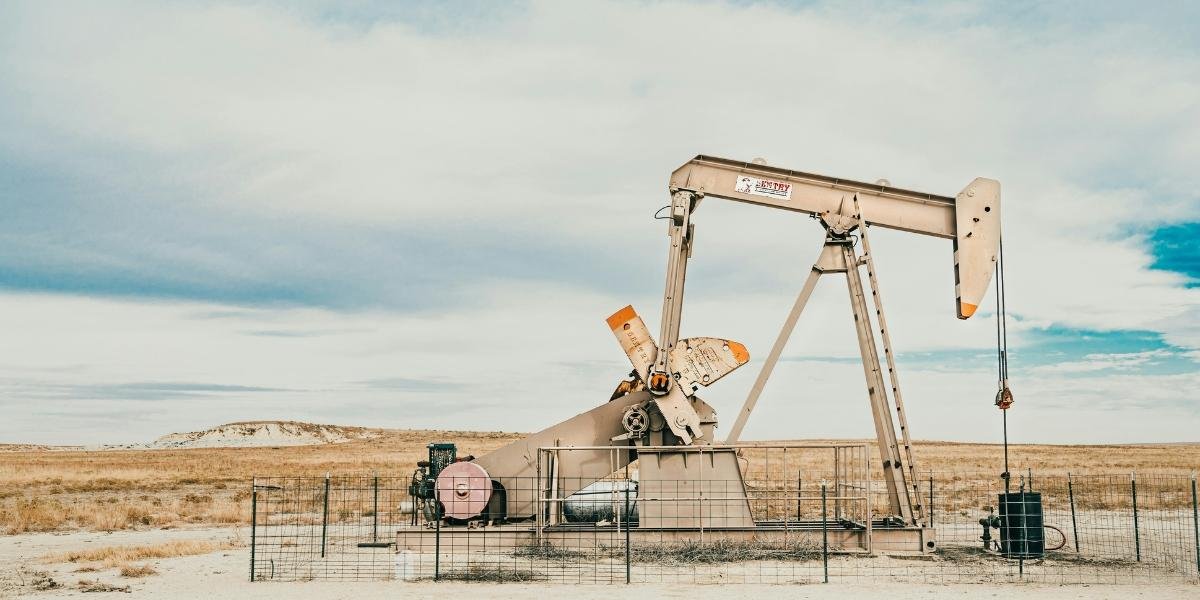
An abandoned oil well beside the Preserve at Medina subdivision in southwest San Antonio continues to leak methane and hydrogen sulfide despite repeated state plugging efforts. Texas regulators are reviewing another attempt to seal the well after June 2026 engineering findings warned that methane was moving through the soil toward nearby homes.
Key Takeaways
- The Thompson Callaway Spears No. 1 well was originally plugged in 2006
- State contractors replugged the well five times between 2019 and 2024
- Monitoring has detected methane and hydrogen sulfide at and around the well
- A June 2026 engineering assessment identified two methane plumes moving toward nearby homes
- Texas regulators are evaluating another plugging operation as residents seek answers about potential safety risks
Leaking Oil Well Sits Beside Southwest San Antonio Homes
The Thompson Callaway Spears No. 1 well is located on a vacant lot beside homes near Vesper Branch and Jetfire Point in the Preserve at Medina subdivision. A metal fence surrounds the site, where a warning sign alerts residents to flammable gas.
The well has become a continuing concern for nearby households. Residents have described persistent odors, headaches and uncertainty about whether leaking gases could affect their homes.
Inspections by the Railroad Commission of Texas and the Texas Commission on Environmental Quality have detected methane and hydrogen sulfide at the wellhead and in surrounding soil.
Both gases present potential hazards, although their effects differ. Methane is flammable and can create a fire or explosion risk when it accumulates within a certain concentration range. Hydrogen sulfide is toxic, with potential health effects depending on exposure levels and duration.
The presence of these gases at the well does not automatically establish dangerous conditions inside nearby homes. Determining the extent of any residential exposure requires measurements of gas concentrations and an understanding of how emissions move through the surrounding environment.
San Antonio Well Was Plugged in 2006, but Leaks Persist
The Thompson Callaway Spears No. 1 well was drilled in 1955. Its last reported oil production occurred in February 2004, and the well was originally plugged in 2006.
However, problems emerged years later as residential development expanded around the former oilfield site.
State contractors replugged the well in 2019, twice in 2022, again in 2023 and once more in November 2024. Despite these operations, gas emissions continued.
The Railroad Commission had spent more than $1 million on repeated plugging efforts by late 2024, highlighting the difficulty of permanently addressing the leak.
The situation illustrates a longer-term challenge associated with Texas oil and gas production. Wells can remain a regulatory concern after production ends, particularly when underground barriers fail to prevent gas from reaching the surface.
At the San Antonio site, investigators found evidence that gas was migrating along the outside of the well toward the surface. Identifying and sealing those pathways is essential to preventing further emissions.
Texas Regulators Evaluate Another Plugging Attempt
The Railroad Commission of Texas is responsible for overseeing the well and determining whether additional plugging work can stop the leak.
The agency has conducted inspections with the Texas Commission on Environmental Quality and county emergency personnel. Those inspections confirmed that gas continued to escape from the site.
The two agencies have separate responsibilities. The Railroad Commission oversees oil and gas infrastructure and plugging operations, while the Texas Commission on Environmental Quality monitors air pollution and related environmental concerns.
Officials have indicated that another plugging operation is under review, potentially using a different strategy and materials from previous attempts.
Both agencies are conducting regular monitoring as they evaluate the condition of the well and surrounding area.
The effectiveness of any further remediation will depend on whether the work addresses the underground pathways allowing gas to escape. Previous plugging operations have not permanently resolved the problem.
Monitoring and Environmental Safety Concerns
Continued monitoring helps regulators track emissions and identify changes that could affect nearby properties.
Methane measurements are particularly important because the gas can accumulate in enclosed spaces under certain conditions. Hydrogen sulfide monitoring is also necessary because exposure can produce health effects even when no fire hazard exists.
Regulators must distinguish between gas concentrations measured at the wellhead, emissions moving through the soil and actual exposure levels in residential areas.
Those findings will help determine whether additional protective measures are necessary alongside efforts to permanently seal the well.
June 2026 Findings Warn of Methane Moving Toward Homes
A June 2026 communication from engineering firm Kleinfelder, which was working for the Railroad Commission, identified two plumes of methane moving through the soil toward houses in the Preserve at Medina subdivision.
The findings raised concerns that heating, ventilation or air-conditioning systems could potentially draw methane toward or into nearby homes.
If sufficient methane accumulates inside an enclosed space and encounters an ignition source, it can create a fire or explosion hazard.
However, the engineering warning identified a potential risk rather than confirming that dangerous methane concentrations had already accumulated inside individual residences.
The Railroad Commission described the investigation as preliminary and said the matter remained under evaluation.
Hydrogen sulfide presents a separate concern. The Texas Commission on Environmental Quality has acknowledged that concentrations detected near the well could produce odors and symptoms such as headaches or nausea.
The agency also reported that volatile organic compound concentrations measured during its 2023 and 2025 investigations were below levels of concern for short-term health and welfare.
These findings do not eliminate the need for continued monitoring, particularly while underground methane migration and hydrogen sulfide emissions remain unresolved.
Texas Well Disclosure Rules Raise Questions for Homebuyers
The continuing San Antonio leak also highlights concerns about how former oil and gas sites are identified during residential development.
Texas has no statewide law specifically regulating construction around plugged oil and gas wells. Developers also are not generally required to disclose the presence of legacy wells to prospective homebuyers.
Some Preserve at Medina residents have said they were unaware of the well when they purchased their properties.
That lack of information can make it difficult for buyers to assess potential environmental concerns before moving into a neighborhood.
Questions about residential proximity to energy infrastructure have also surfaced around Montgomery County pipeline projects, where residents have raised concerns about infrastructure locations, safety and transparency.
Although pipelines and abandoned wells involve different risks, both demonstrate the importance of accessible infrastructure records and clear communication with surrounding communities.
For prospective homebuyers, identifying a former well is only the first step. Its production history, plugging records, inspection findings and current condition provide additional information about whether further investigation may be warranted.
At Preserve at Medina, the immediate question remains whether another plugging operation can permanently stop the emissions. Until that work is completed and its effectiveness assessed, continued monitoring will remain important for nearby residents and regulators.
Frequently Asked Questions
Where Is the Leaking Abandoned Oil Well Located?
The Thompson Callaway Spears No. 1 well is beside the Preserve at Medina subdivision in southwest San Antonio, Bexar County, Texas.
Which Gases Have Been Detected at the Site?
Methane and hydrogen sulfide have been detected at and around the well. Methane can create fire or explosion hazards at flammable concentrations, while hydrogen sulfide can cause adverse health effects depending on exposure.
When Was the San Antonio Oil Well Abandoned?
The well’s last reported oil production occurred in February 2004, and it was plugged in 2006. State contractors subsequently replugged it five times between 2019 and 2024.
Which Texas Agencies Are Monitoring the Leak?
The Railroad Commission of Texas oversees well plugging and remediation, while the Texas Commission on Environmental Quality monitors air pollution associated with the emissions.
Can Methane From an Abandoned Well Enter Nearby Homes?
Methane can migrate through soil and potentially enter buildings under certain conditions. The actual risk depends on gas concentrations, underground migration pathways, ventilation and whether methane accumulates in enclosed spaces.