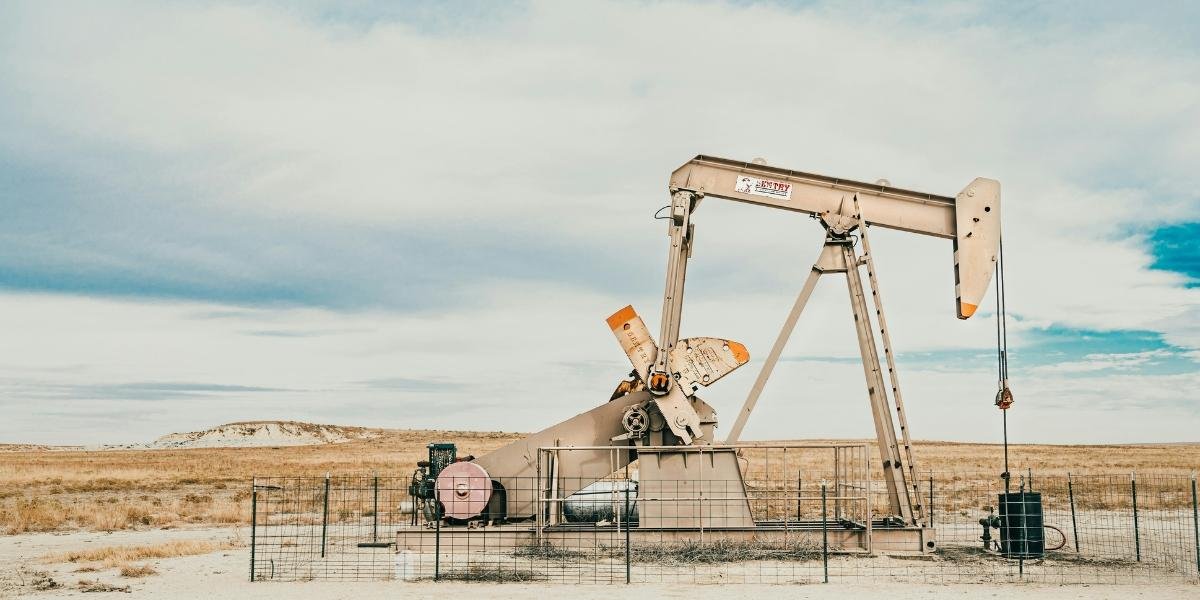
Montgomery County is becoming a critical hub for pipeline growth in Texas, contributing significantly to the expansion of the state’s energy infrastructure. In early 2026, several oil and gas companies filed permits with the Railroad Commission of Texas (RRC), adding to the existing network of more than 483,000 miles of pipelines across the state. These pipelines play an essential role in transporting crude oil, natural gas, natural gas liquids, and refined products such as gasoline, diesel, and jet fuel.
The county’s location, just north of Houston, makes it a strategic corridor for energy infrastructure. With several new pipeline projects planned for completion by 2027, Montgomery County’s role in connecting key energy markets in Texas continues to grow. The pipelines planned for the region vary in size, with diameters ranging from small local lines to large interstate transmission systems, further reinforcing Texas’ standing as a leader in energy production and transportation.
Railroad Commission Oversees Expanding Energy Infrastructure
The Railroad Commission of Texas is the primary regulatory body overseeing the permitting and safety standards for pipelines statewide. As part of the pipeline expansion in Montgomery County, the RRC continues to review and approve new projects, ensuring that they comply with state regulations. According to the RRC’s filings for 2026, the scale of pipeline development in the county is significant, with several new construction plans set to move forward.
One of the key responsibilities of the RRC is ensuring safety compliance and maintaining transparency in the permitting process. The RRC’s GIS mapping tools have been instrumental in tracking the location of new pipelines, providing the public with easy access to information about where new lines are being built. The Railroad Commission also monitors the environmental impacts of these projects and works with energy companies to ensure that pipelines are constructed and maintained in a way that protects both people and the environment.
Local Concerns Over Pipeline Expansion in Montgomery County
Despite the significant benefits of pipeline expansion, there are ongoing concerns from local residents and environmental groups in Montgomery County. In particular, the controversy surrounding the Blackfin Pipeline in 2025 raised questions about safety, transparency, and environmental impact. The Blackfin Pipeline sparked public debates as local residents voiced concerns about the pipeline’s proximity to residential areas and the potential for risks such as water contamination and air pollution.
While the majority of pipelines are buried underground and have minimal direct impact on nearby communities, some local officials stress the importance of tracking developments to ensure that new projects do not compromise public safety or quality of life. Montgomery County Judge Mark Keough has emphasized that community involvement is essential when approving pipeline projects, and local voices must continue to play a role in the decision-making process.
Community groups continue to call for clear communication from both pipeline operators and regulatory bodies like the Railroad Commission to ensure that concerns are adequately addressed before new projects are approved. The ongoing discussion highlights the delicate balance between infrastructure growth and the interests of local residents.
Major Pipeline Projects Shape Texas’ Energy Future
The Montgomery County area is set to host some of Texas’ most significant energy projects in the coming years. One of the most notable developments is the Blackcomb Pipeline, a 42-inch diameter line that will span 365 miles from the Permian Basin to South Texas. Once operational, the Blackcomb Pipeline is expected to transport up to 2.5 billion cubic feet of natural gas per day, playing a crucial role in meeting the growing demand for natural gas in the region.
This pipeline project is backed by firm transport agreements with multiple energy companies, ensuring a stable flow of natural gas across Texas and into national markets. Montgomery County’s location along the pipeline route underscores its importance in facilitating energy movement across the state. The Blackcomb Pipeline illustrates the scale of the infrastructure projects coming online in Texas, which continue to solidify the state’s status as a key player in U.S. energy production.
As the Blackcomb Pipeline moves forward, it is expected to significantly influence energy flows not only within Texas but also across the broader U.S. energy market, reinforcing Montgomery County’s role in connecting local communities to national energy systems.
Balancing Growth with Community Oversight in Montgomery County
While Montgomery County sees rapid growth in pipeline construction, community oversight remains a vital factor in shaping how these projects unfold. As energy infrastructure continues to expand, local residents and activists emphasize the need for transparency in the permitting process, as well as stronger environmental protections.
The Railroad Commission continues to monitor compliance with state safety standards, but community members remain vigilant about the potential risks associated with large-scale pipeline projects. Environmental advocates argue that stricter monitoring and mitigation strategies are needed to address the long-term environmental impacts of pipeline construction, particularly in regions where pipelines are constructed near water sources or populated areas.
Local advocacy groups are pushing for more frequent communication between residents, regulatory bodies, and energy companies to ensure that community concerns are addressed proactively. These groups stress the importance of creating a transparent and collaborative environment where local stakeholders can voice their concerns, especially in areas directly impacted by pipeline construction.