Texas Today

Dr. Frank Agullo Brings a New Kind of Facelift to West Texas and What the ‘Ponytail Lift’ Really Means

Dr. Frank Agullo Brings a New Kind of Facelift to West Texas and What the 'Ponytail Lift' Really Means
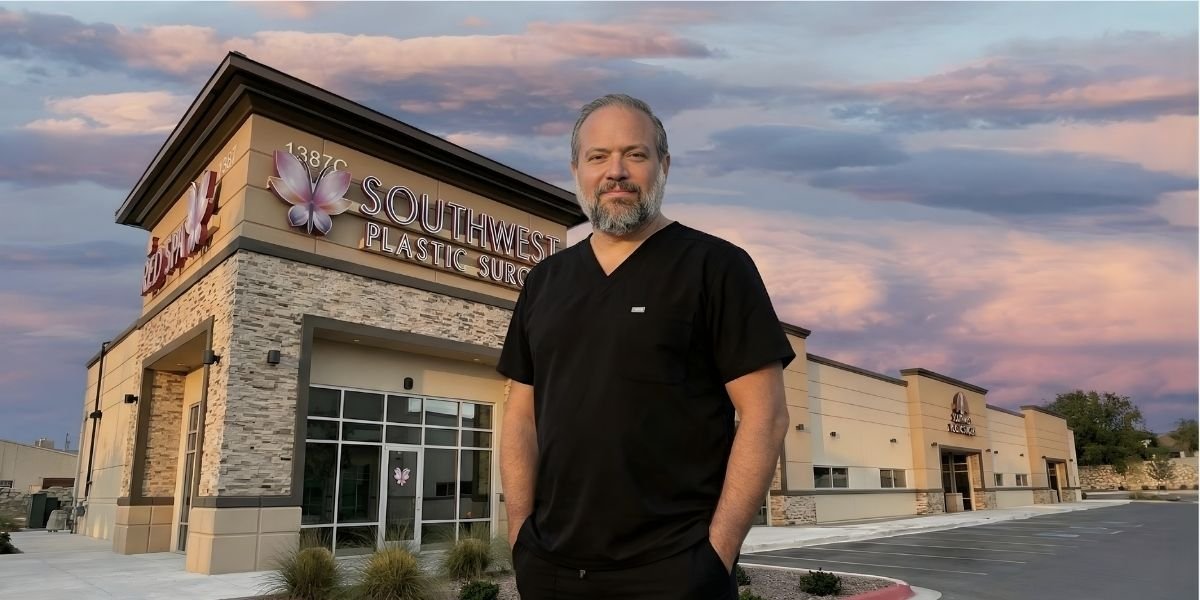
Photo Courtesy: Southwest Plastic Surgery

By: Adrian Vale, Commentator on aesthetics, culture, and modern medicine

The distance between some West Texas patients in El Paso and their plastic surgeon? It’s comparable to how far they’d drive for a great spa weekend. Dr. Frank Agullo’s plastic surgery practice says he’s now offering “total endoscopic minimally invasive facelifts”, the trendy social media term “Ponytail Lift”, which involves elevating underlying facial layers using only small, minimally invasive incisions and an endoscope (a surgical tool for visualization).

Forget any notion of a quick fix, a noninvasive alternative, or a digital filter materialized in skin. This is a facelift surgery performed using an endoscopic approach. Dr. Agullo emphasizes that this involves deep-plane dissection and repositioning facial structures and muscles, rather than just tightening the skin to make you appear younger.

As people are increasingly meeting face-to-face (and on camera) again, many are looking for alternatives. Beyond timing, a significant factor has been a societal redefinition of “facelift” from being synonymous with tightness to one that looks rested, with as little scarring as possible. The endoscopic deep-plane facelift literature suggests techniques aimed at camouflaging incisions completely in the scalp in earlier aging cases, with limited incisions placed behind the ear when actual skin excess requires removal in the neck region.

What Sets Endoscopic Deep Plane Apart?

Amid a confusing sea of traditional facelift terms, one distinction helps: skin tightening versus structure repositioning. Deep-plane techniques work beneath the SMAS and around specific ligaments to lift the cheeks and nasolabial folds, while also providing more natural improvements in jowling without relying solely on manipulating skin laxity.

The endoscopic part addresses visibility and access, rather than large incisions that extend far up the sides of the face for broader visibility. The use of an endoscope helps surgeons see and operate within very small access points, usually placed to help mask resulting scars within the hair. Peer-reviewed research on these facelift types describes the technique using sutures to achieve a consistent, predictable lift that mimics vertical vectors. Some reports of the endoscopic deep-plane facelift highlight structured suture patterns to enhance this effect.

Dr. Agullo’s own description of the procedure emphasizes this aspect, focusing on concealed behind-the-hairline incisions, camera-assisted visualization and access to underlying layers, and repositioning those layers for a “natural result”. (But remember, surgery means recovery; you can still face downtime and discomfort.)

The Value of a Well-Trained Surgeon

The question every Texans Today audience needs answers to: how are local doctors keeping pace? On the company website, Dr. Agullo mentions he’ll be attending an “advanced hands-on workshop for the total endoscopic facelift at Ponytail Academy” in November, under the “renowned facial plastic surgeon Dr. Chia Chi Kao,” and will bring the technique back with him. He later completed the Advanced Ponytail Academy, to which he was accepted and invited.

Ponytail Academy itself states its aim is “teaching… [an] endoscopic minimally invasive facelift procedure pioneered by Dr. Chia Chi Kao” through “hands-on education for surgeons.” Although a class can only do so much, it can be a useful factor for consumers, leading to relevant follow-up questions like, “What specific training did you complete? How many of these surgeries have you performed, and how do you manage complications?”

Who Might Be a Good Fit for the Surgery?

The published research, predominantly in the form of case series, helps categorize suitable candidates by age and structural features. Patients experiencing early signs of aging (often in their 30s and 40s), characterized by mild to moderate changes in the upper and midface but not necessarily significant jowling, may be candidates for scalp-hidden incisions combined with an endoscopic approach. As individuals progress through their 40s and 60s and experience more pronounced jowling or loss of neck skin tone, a modified endoscopic deep-plane facelift can be performed using either scalp or behind-the-ear access, with varying degrees of neck skin excess removed, ideally avoiding many traditional incisions visible in the hairline. Bottom line for anyone in Texas: the right facelift procedure depends on what your particular issues are, be it jowls, laxity, or a combination, while being mindful of your personal appearance goals and what procedures, like neck work, you may require to balance everything without leaving you with an over-tightened or unnatural look. The consultation should involve a transparent discussion of how these aspects can be addressed effectively.

Dr. Frank Agullo Brings a New Kind of Facelift to West Texas and What the 'Ponytail Lift' Really Means
Photo Courtesy: Jorge Campos and Southwest Plastic Surgery

Safety and Recovery in Texas: Key Upfront Questions

Even with fewer incisions, risks still exist. According to the American Society of Plastic Surgeons (ASPS), facelift risks include potential adverse effects from anesthesia, such as bleeding (hematoma), infection, seroma (fluid collection), nerve injury or damage, compromised healing, and prolonged swelling.

For a comprehensive overview of potential issues, a research article concerning complications of facelifts found that “hematomas have the highest incidence and occur early.” This early onset highlights the importance of a detailed post-op plan and swift access to care immediately following surgery.

For Texans planning this procedure, ask these three important questions before schyheduling your operation:

First, make sure you’re choosing the right qualified surgeon. Dr. Agullo is a listed member of the American Society of Plastic Surgeons and a board-certified plastic surgeon in the ASPS database.

Second, what’s your surgery site like? The ASPS emphasizes that operations should occur only in accredited facilities that meet or exceed nationally recognized safety, equipment, and staff credentials.

Third, if anesthesia is needed, you must be able to get clear information about the depth of anesthesia and specific guidelines. The state of Texas has specific regulations governing the standard of care for office-based anesthesia procedures, including the monitoring and management of emergencies, the extent of which varies based on anesthetic depth.

Lastly, given that facelift surgery is typically elective cosmetic surgery, you’re encouraged to remember Texas laws regulating misleading and untrue advertisements. If anyone offers terms like “scarless,” “no downtime,” or “guaranteed results,” you should view them not as solid promises but as incentives to ask for detailed supporting proof and further explanations, rather than accepting such assurances on blind faith.

Insights from Online Patient Reviews

Online reviews should never substitute medical facts; nonetheless, they can shed light on how patients experience the practical aspects of their medical journeys. Dr. Agullo has a verified RealSelf profile with numerous patient reviews, and several patients recount pleasant experiences with his staff’s responsiveness, as well as their travel experience for the procedure and post-operative care. Keep in mind that patient outcomes vary significantly.

Dr. Frank Agullo Brings a New Kind of Facelift to West Texas and What the 'Ponytail Lift' Really Means
Photo Courtesy: Southwest Plastic Surgery

A Texas Perspective

Whether you’re in North Texas, the Hill Country, or South Texas, planning for elective cosmetic procedures invariably raises the same practical questions: How much time can you take off work? Who will care for your children? What will the travel arrangements entail? And how quickly do you anticipate being able to look “camera-ready”? Although endoscopic deep-plane procedures aim to create less scarring and achieve natural lifting vectors, they still require careful selection of appropriate candidates, a realistic recovery timeframe, and access to a skilled surgeon who can provide clear information on the treatment plan and an appropriate backup plan if needed.

If the total endoscopic deep plane facelift procedure is something that you are contemplating, your very first, and most logical, action isn’t to simply browse before-and-after photos. Instead, focus on scheduling a consultation where you can feel comfortable asking, “What’s the optimal technique for my specific facial structure?” “Where are the planned incisions?” “What are the potential risks specific to my individual case?” and “Who will provide assistance and support if I am experiencing any concerns late on the first night post-op?”

Follow Dr. Agullo on Instagram: @realdrworldwide | Southwest Plastic Surgery


Disclaimer: This article is for informational purposes only and does not constitute medical advice, a diagnosis, or a treatment recommendation. Consult a qualified, board-certified healthcare provider for advice specific to your situation.


Dr. Frank Agullo Brings a New Kind of Facelift to West Texas and What the ‘Ponytail Lift’ Really Means

Photo Courtesy: Southwest Plastic Surgery

By: Adrian Vale, Commentator on aesthetics, culture, and modern medicine

The distance between some West Texas patients in El Paso and their plastic surgeon? It’s comparable to how far they’d drive for a great spa weekend. Dr. Frank Agullo’s plastic surgery practice says he’s now offering “total endoscopic minimally invasive facelifts”, the trendy social media term “Ponytail Lift”, which involves elevating underlying facial layers using only small, minimally invasive incisions and an endoscope (a surgical tool for visualization).

Forget any notion of a quick fix, a noninvasive alternative, or a digital filter materialized in skin. This is a facelift surgery performed using an endoscopic approach. Dr. Agullo emphasizes that this involves deep-plane dissection and repositioning facial structures and muscles, rather than just tightening the skin to make you appear younger.

As people are increasingly meeting face-to-face (and on camera) again, many are looking for alternatives. Beyond timing, a significant factor has been a societal redefinition of “facelift” from being synonymous with tightness to one that looks rested, with as little scarring as possible. The endoscopic deep-plane facelift literature suggests techniques aimed at camouflaging incisions completely in the scalp in earlier aging cases, with limited incisions placed behind the ear when actual skin excess requires removal in the neck region.

What Sets Endoscopic Deep Plane Apart?

Amid a confusing sea of traditional facelift terms, one distinction helps: skin tightening versus structure repositioning. Deep-plane techniques work beneath the SMAS and around specific ligaments to lift the cheeks and nasolabial folds, while also providing more natural improvements in jowling without relying solely on manipulating skin laxity.

The endoscopic part addresses visibility and access, rather than large incisions that extend far up the sides of the face for broader visibility. The use of an endoscope helps surgeons see and operate within very small access points, usually placed to help mask resulting scars within the hair. Peer-reviewed research on these facelift types describes the technique using sutures to achieve a consistent, predictable lift that mimics vertical vectors. Some reports of the endoscopic deep-plane facelift highlight structured suture patterns to enhance this effect.

Dr. Agullo’s own description of the procedure emphasizes this aspect, focusing on concealed behind-the-hairline incisions, camera-assisted visualization and access to underlying layers, and repositioning those layers for a “natural result”. (But remember, surgery means recovery; you can still face downtime and discomfort.)

The Value of a Well-Trained Surgeon

The question every Texans Today audience needs answers to: how are local doctors keeping pace? On the company website, Dr. Agullo mentions he’ll be attending an “advanced hands-on workshop for the total endoscopic facelift at Ponytail Academy” in November, under the “renowned facial plastic surgeon Dr. Chia Chi Kao,” and will bring the technique back with him. He later completed the Advanced Ponytail Academy, to which he was accepted and invited.

Ponytail Academy itself states its aim is “teaching… [an] endoscopic minimally invasive facelift procedure pioneered by Dr. Chia Chi Kao” through “hands-on education for surgeons.” Although a class can only do so much, it can be a useful factor for consumers, leading to relevant follow-up questions like, “What specific training did you complete? How many of these surgeries have you performed, and how do you manage complications?”

Who Might Be a Good Fit for the Surgery?

The published research, predominantly in the form of case series, helps categorize suitable candidates by age and structural features. Patients experiencing early signs of aging (often in their 30s and 40s), characterized by mild to moderate changes in the upper and midface but not necessarily significant jowling, may be candidates for scalp-hidden incisions combined with an endoscopic approach. As individuals progress through their 40s and 60s and experience more pronounced jowling or loss of neck skin tone, a modified endoscopic deep-plane facelift can be performed using either scalp or behind-the-ear access, with varying degrees of neck skin excess removed, ideally avoiding many traditional incisions visible in the hairline. Bottom line for anyone in Texas: the right facelift procedure depends on what your particular issues are, be it jowls, laxity, or a combination, while being mindful of your personal appearance goals and what procedures, like neck work, you may require to balance everything without leaving you with an over-tightened or unnatural look. The consultation should involve a transparent discussion of how these aspects can be addressed effectively.

Photo Courtesy: Jorge Campos and Southwest Plastic Surgery

Safety and Recovery in Texas: Key Upfront Questions

Even with fewer incisions, risks still exist. According to the American Society of Plastic Surgeons (ASPS), facelift risks include potential adverse effects from anesthesia, such as bleeding (hematoma), infection, seroma (fluid collection), nerve injury or damage, compromised healing, and prolonged swelling.

For a comprehensive overview of potential issues, a research article concerning complications of facelifts found that “hematomas have the highest incidence and occur early.” This early onset highlights the importance of a detailed post-op plan and swift access to care immediately following surgery.

For Texans planning this procedure, ask these three important questions before schyheduling your operation:

First, make sure you’re choosing the right qualified surgeon. Dr. Agullo is a listed member of the American Society of Plastic Surgeons and a board-certified plastic surgeon in the ASPS database.

Second, what’s your surgery site like? The ASPS emphasizes that operations should occur only in accredited facilities that meet or exceed nationally recognized safety, equipment, and staff credentials.

Third, if anesthesia is needed, you must be able to get clear information about the depth of anesthesia and specific guidelines. The state of Texas has specific regulations governing the standard of care for office-based anesthesia procedures, including the monitoring and management of emergencies, the extent of which varies based on anesthetic depth.

Lastly, given that facelift surgery is typically elective cosmetic surgery, you’re encouraged to remember Texas laws regulating misleading and untrue advertisements. If anyone offers terms like “scarless,” “no downtime,” or “guaranteed results,” you should view them not as solid promises but as incentives to ask for detailed supporting proof and further explanations, rather than accepting such assurances on blind faith.

Insights from Online Patient Reviews

Online reviews should never substitute medical facts; nonetheless, they can shed light on how patients experience the practical aspects of their medical journeys. Dr. Agullo has a verified RealSelf profile with numerous patient reviews, and several patients recount pleasant experiences with his staff’s responsiveness, as well as their travel experience for the procedure and post-operative care. Keep in mind that patient outcomes vary significantly.

Photo Courtesy: Southwest Plastic Surgery

A Texas Perspective

Whether you’re in North Texas, the Hill Country, or South Texas, planning for elective cosmetic procedures invariably raises the same practical questions: How much time can you take off work? Who will care for your children? What will the travel arrangements entail? And how quickly do you anticipate being able to look “camera-ready”? Although endoscopic deep-plane procedures aim to create less scarring and achieve natural lifting vectors, they still require careful selection of appropriate candidates, a realistic recovery timeframe, and access to a skilled surgeon who can provide clear information on the treatment plan and an appropriate backup plan if needed.

If the total endoscopic deep plane facelift procedure is something that you are contemplating, your very first, and most logical, action isn’t to simply browse before-and-after photos. Instead, focus on scheduling a consultation where you can feel comfortable asking, “What’s the optimal technique for my specific facial structure?” “Where are the planned incisions?” “What are the potential risks specific to my individual case?” and “Who will provide assistance and support if I am experiencing any concerns late on the first night post-op?”

Follow Dr. Agullo on Instagram: @realdrworldwide | Southwest Plastic Surgery


Disclaimer: This article is for informational purposes only and does not constitute medical advice, a diagnosis, or a treatment recommendation. Consult a qualified, board-certified healthcare provider for advice specific to your situation.

This article features branded content from a third party. Opinions in this article do not reflect the opinions and beliefs of Texas Today.