Beef prices in the United States have reached record levels, with ground beef hitting an average of $6.70 per pound in March 2026, a 16% increase compared to the previous year. Steak prices have surged as well, averaging $12.73 per pound. This price spike marks a significant shift in the domestic beef market, which is facing the tightest supply conditions in decades.
The primary factor driving these price hikes is a dramatic reduction in the national cattle herd. According to the USDA’s January 2026 Cattle Inventory report, the U.S. cattle population has fallen to 86.2 million head, the smallest since 1951. With fewer cattle available, ranchers are struggling to meet growing demand while facing rising operational costs.
Shrinking Cattle Herd Contributes to Market Volatility
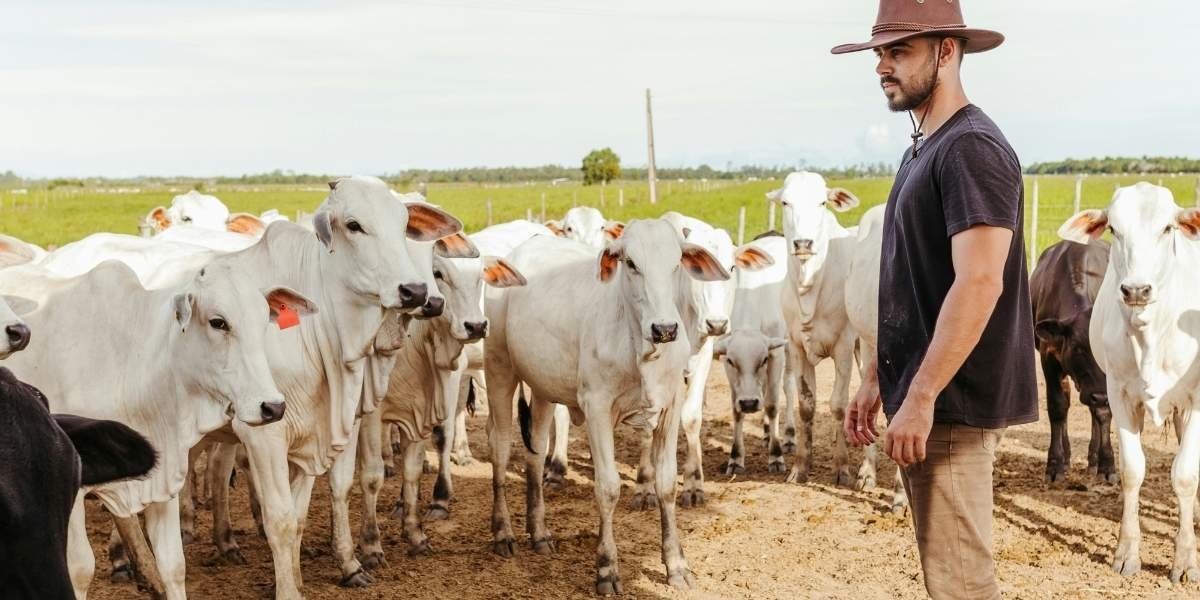
The decline in the U.S. cattle herd is one of the most significant contributors to the current beef price surge. The USDA’s report has confirmed a multi-year contraction phase, and ranchers are hesitant to rebuild their herds despite high calf prices. This reluctance stems from financial pressures and the uncertainty of sustaining breeding herds in an unpredictable market.
Despite record prices for calves, many producers are opting to sell young female cattle instead of retaining them for breeding, further constraining future beef supplies. The liquidation trend suggests that beef prices will remain high for the foreseeable future, possibly extending through 2028, as rebuilding the national herd is a long-term process.
Environmental Pressures Intensify Beef Production Challenges
Ranchers across key cattle-producing regions, particularly in Texas, are dealing with extreme weather conditions that have added pressure to beef production. Years of drought and water shortages in the Southern Plains have devastated natural forage, forcing ranchers to rely heavily on expensive supplemental feed. The rising costs of grain and diesel have further strained operations, compounding challenges in maintaining a stable supply.
Texas, which holds the nation’s largest beef cow herd, is experiencing heightened concerns over long-term herd sustainability. Even in regions with adequate rainfall, ranchers remain wary of future droughts and the economic risks of raising larger herds. With the typical beef cow requiring two to three years to produce a calf, the environmental uncertainties of 2026 are discouraging producers from expanding their herds.
Screwworm Outbreak and Border Disruptions Worsen Supply Issues
The U.S. beef supply has been further stressed by the ongoing screwworm crisis along the southern border. In July 2025, the U.S. imposed a ban on live cattle imports from Mexico due to an outbreak of the New World screwworm. This parasitic infestation, which can be deadly to livestock, has spread into southern Mexico and led to the suspension of cattle imports, which typically total 1.2 to 1.5 million head per year.
The closure of the U.S.-Mexico border to live cattle has created a severe supply shortage, leaving feedlots underutilized and causing cattle prices to spike even further. This disruption has not only led to a “risk premium” in the market but has also introduced significant volatility. Even rumors of a screwworm outbreak within the U.S. have prompted sharp sell-offs in the futures market, reflecting heightened concern among industry stakeholders.
Processing Industry Struggles with Margin Squeeze
As beef prices rise, processors are finding themselves squeezed by narrow profit margins. The “Big Four” U.S. meat processors, which control approximately 85% of the market, have been struggling with operating losses. Tyson Foods, for example, reported a $319 million loss in its beef division for the first quarter of fiscal 2026. The issue stems from the high cost of purchasing cattle, which exceeds the rate at which processors can pass those costs along to consumers.
This squeeze has prompted federal scrutiny of the beef processing industry, with questions surrounding the role of market consolidation in driving price instability. While some experts advocate for more competition, others caution that breaking up large-scale processors could exacerbate inefficiencies and increase prices further.
Global Imports Strive to Ease Domestic Shortages
In an effort to mitigate the tight domestic supply, the U.S. has expanded its beef import quotas. A notable development in early 2026 was the establishment of a new trade protocol with Argentina, allowing for the duty-free importation of up to 100,000 metric tons of beef annually. This move aims to fill the gap in lean processing meats, offering some relief to the U.S. market.
Despite these international efforts, the domestic beef industry is facing challenges as retailers adjust to the higher prices. Some grocery stores have turned to smaller package sizes and targeted promotions to keep beef affordable. However, with many consumers opting for cheaper protein alternatives like poultry and pork, the beef market is expected to see low-volume, high-value sales throughout the 2026 grilling season.