By: Mitch Reynolds
Physician • Healthcare Entrepreneur • Community Leader • Writer • Rancher
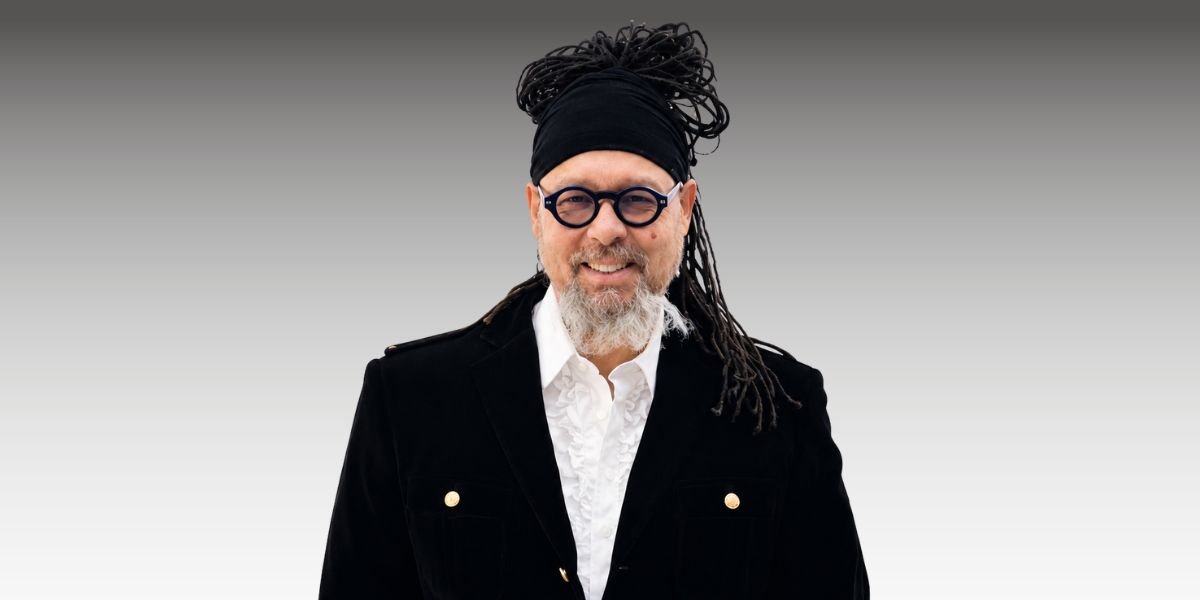
Dr. A. Kirk Williams’ story is deeply connected to Texas through nearly four decades of medicine, healthcare development, and community leadership, but also through a family history that reaches back more than 200 years.
One branch of Williams’ ancestry traces to Captain Robert Kuykendall and members of Stephen F. Austin’s Old Three Hundred, among the earliest Anglo-American settlers in Texas. His heritage also includes African-American and Native American ancestry, giving Williams a personal connection to several sides of the Texas story.
Raised in Marshall, Texas, Williams graduated magna cum laude from Fisk University before earning his medical degree from Baylor College of Medicine in 1987. His career would eventually expand from treating patients to creating healthcare organizations and helping develop medical facilities.
Along the way, Williams also became an entrepreneur, builder, writer, and exotic rancher.
In this special Q&A, Dr. Kirk Williams discusses his Texas roots, his philosophy on health and wellness, and what nearly four decades in medicine have taught him about living well.
Q: Your family has roots reaching back to some of Texas’ earliest settlers while also including African-American and Native American ancestry. What does that heritage mean to you?
A: I’m proud of all sides of my heritage. My fourth great-grandfather, Captain Robert Kuykendall, came to Texas in 1821, and his family became part of Stephen F. Austin’s Old Three Hundred. But my story also includes Black and Native American ancestors whose histories weren’t always documented in the same way.
I see all of them as part of who I am, and part of the larger Texas story. To me, heritage isn’t simply about looking backward. It’s about asking, “What am I going to add to what I inherited?”
Q: What shaped your path into medicine and community leadership?
A: Growing up in Marshall taught me the importance of education, discipline, and opportunity. Fisk University gave me tremendous intellectual confidence, and Baylor College of Medicine prepared me for a career that ultimately led to emergency medicine.
Eventually, I realized I could do more than treat individual patients. I could help build better healthcare systems. I founded Apollo Emergency Physicians, helped develop six freestanding medical centers through Tower Medical Centers of Southeast Texas and participated in the development of the Medical Center of Southeast Texas hospital project.
That desire to create has carried into other parts of my life, including writing, designing and building, and operating an exotic ranch near Marshall for approximately 20 years.
Q: What does true health and wellness mean to you?
A: Wellness is much more than being free of disease or looking physically fit. It’s having the strength, clarity, relationships, and purpose to participate fully in your life.
Too many people wait for symptoms before taking their health seriously or look for a quick solution to years of unhealthy habits.
The fundamentals remain incredibly powerful: know your numbers, eat mostly real food, stay active, maintain muscle, protect your sleep, manage stress, and keep up with recommended medical screenings.
Middle age isn’t too late to become healthier. In many cases, it’s exactly when people should become more intentional about it.
Q: How are personal health and strong communities connected?
A: Health never affects just one person. When someone becomes seriously ill, it can affect a spouse, children, employment, and an entire family’s stability.
Emergency medicine taught me that behind a medical crisis, there can be years of poor nutrition, inadequate healthcare, chronic stress, or financial pressure.
Physicians and healthcare leaders have to listen. We should educate without talking down to people and understand the communities we’re serving. Healthy individuals help create healthy families, and healthy families help create stronger communities.
Q: What practical advice would you give Texans who want to improve their health?
A: Don’t wait for a crisis to introduce yourself to your own health.
Know your blood pressure, glucose, cholesterol, family history, and risk factors. Move every day. Maintain your strength. Protect your sleep. Eat in a way you can sustain and pay attention when your body is telling you something has changed.
Texas is culturally and economically diverse, so the same message won’t necessarily reach every generation or community in the same way. People respond when they feel respected and understood.
Trust isn’t just good public relations in healthcare; it’s a clinical resource.
Q: After everything you’ve accomplished, what do you hope your legacy will be?
A: I don’t want my legacy reduced to titles.
Medicine taught me to care for people. Building taught me how to turn ideas into something tangible. Writing allowed me to explore identity and human understanding, and ranching taught me stewardship and respect for living systems.
But above everything else, I’m a husband and father. My wife, Adriana, and our six children are central to how I define success.
I hope people understand that life doesn’t have to fit into one category. We can heal and build. We can honor where we came from without being trapped by it. And we can leave the people who follow us with a stronger foundation from which to begin.
A Life Built With Purpose
Dr. Kirk Williams’ journey, from Marshall to medicine, from healthcare development to ranching and writing, is ultimately a story about stewardship.
His Texas roots may stretch back more than two centuries, but his message is focused firmly on what comes next: take responsibility for your health, remain connected to your community, honor where you came from, and leave something meaningful behind.
For Williams, living well isn’t simply about adding years to life.
It’s about making those years count.
“He Who Conquers Himself is the Greatest Warrior.”
A. Kirk Williams, M.D.