Athletes learn to accumulate skills that extend beyond the playing field. When participating in team sports, there is a routine of constant practice, and players are measured by numbers. There is learning to prosper in a system. A good example of this is baseball, where numbers such as batting averages, fielding percentages, and pitching records are the determinants of practice regimens and programs designed for growth. Through this, there is learning about the coaching structures that are present in professional sports. When athletes move into roles such as management, coaching, or business, there is a common reference for decisions made in the future.
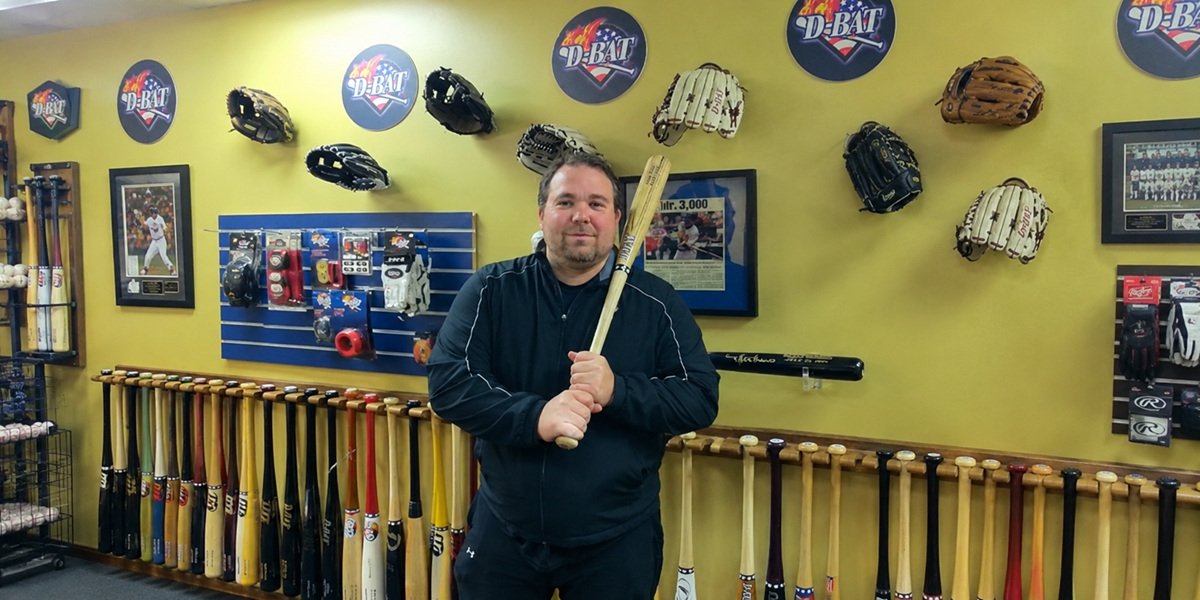
Cade Griffis emerged from this framework during the mid-1990s. Born on July 9, 1974, Griffis attended Burkburnett High School in Burkburnett, Texas. High school athletics in Texas operate within one of the most organized secondary school sports systems in the United States. Baseball programs across the state routinely compete within structured district competitions under the University Interscholastic League. During these years, players are introduced to formal training schedules and competitive evaluation that mirror the structure found in college programs. Griffis’s participation in this environment formed part of the early athletic development that would later continue at the collegiate level.
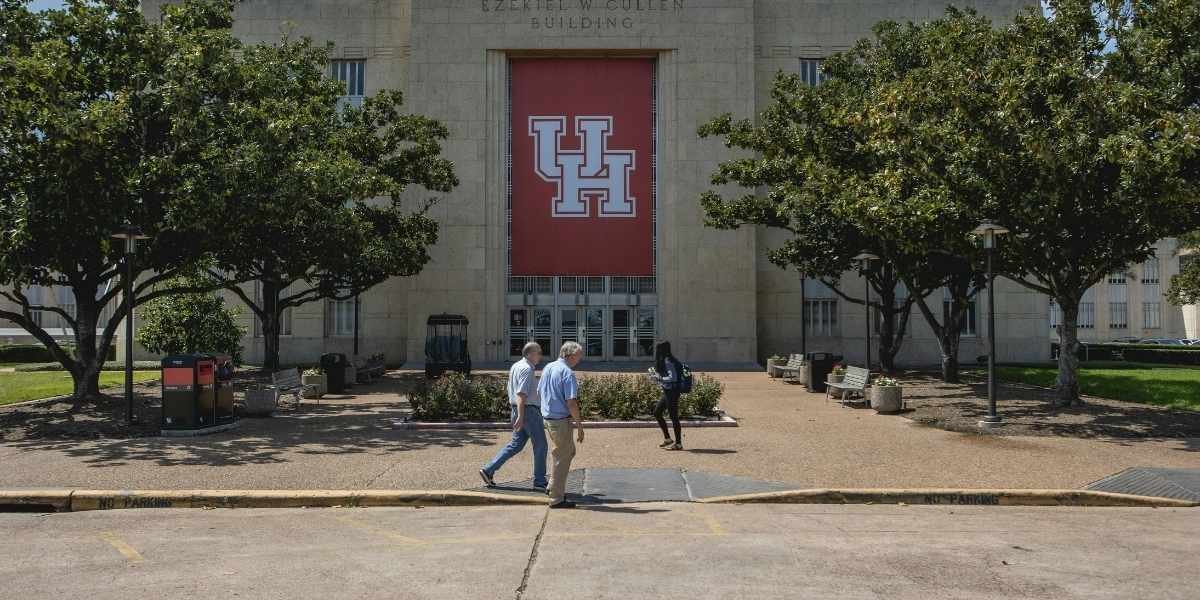
Following high school, Griffis enrolled at Dallas Baptist University in Dallas, Texas. The university’s baseball program competes within the NAIA system during the period when Griffis played there. Collegiate baseball programs at NAIA schools operate on full seasonal schedules that include conference play, tournament competition, and national championship qualification. Players in these programs often train year-round, combining strength conditioning with technical instruction in batting, fielding, and positional play. The environment places significant emphasis on performance metrics and team strategy, both of which are central elements in modern baseball development.
During his tenure with the Dallas Baptist Patriots, Griffis proved himself to be a steady player on the field. He received the honor of being named an NAIA All-American in both 1995 and 1997. An All-American is awarded to players based on their performance within the NAIA, according to their stats for the year. Being an All-American is often an indication of being among the best baseball players in college baseball for that year.
The recognition of Griffis in 1995 and 1997 indicates his status within the college baseball scene of the 1990s. College baseball in the 1990s had many scouting networks, often affiliated with professional baseball teams. A good performance within college baseball often brought players into contact with professional scouts. Many MLB scouts attended college baseball games to scout for new talent to bring into their ranks, especially during the draft.
In 1996, Griffis signed as a free agent for the Kansas City Royals organization during the MLB draft. Professional baseball has an extensive minor league system, designed to help players improve their skills over several years before being brought up to the majors. Griffis mostly played the roles of catcher, third baseman, and left fielder within the minor leagues for the Kansas City Royals. A catcher and third baseman must have both the skills of a good defender and the throwing ability to get the runner out, while the outfielder must have the speed to cover the bases.
Once Griffis’ playing days were over, he remained involved in the sport through scouting. Griffis spent twelve years as a professional scout for the Chicago White Sox. The position of scout requires individuals to look for talent at amateur and professional levels of baseball. The scouts evaluate these individuals based on their own observations and statistical data, which are then presented in reports. The reports are then used to determine draft picks and developmental plans for future players. The work involves an understanding of mechanics and the ability to analyze statistics and future developmental potential. The work of scouts often requires them to make connections with high school programs, collegiate teams, and minor league teams throughout the country.
Experiences gained through collegiate competitions, professional games, and scouting often influence individuals’ training programs in their later years. The training programs within baseball are based on instructional methods, developmental processes, and repetitive training regimens. These are often considered the foundation of training programs within private academies as well. The private academies were popularized within the United States during the late 1990s and early 2000s. The appearance of training academies is part of a larger trend within youth sports, as training centers are becoming more popular than traditional school programs.
Griffis’s experiences within athletic programs during his time at Dallas Baptist University and professional baseball games allowed him to become familiar with training programs. The experiences allowed him to understand the developmental processes of athletes and training methods, which are often considered essential within training regimens. The experiences later influenced Griffis’ involvement in sports-related business activities.
While the trajectory from college athlete to professional player is common in baseball, the transition into business connected to training systems reflects a different path. For some, it is this know-how they develop over time within these competitive arenas that eventually translates into new training methods or new instructional programs.
The progression from being a Texas high school athlete to being a collegiate All-American and eventually becoming a professional athlete is one that many individuals have to navigate, and it is one tied to the sport and beyond their professional playing days. The early struggles and training are often where coaching, scouting, and related work eventually go. Cade Griffis is an example of this progression and how it can relate to professional work within the baseball world.