By: Marlene Murray
Choosing between a historic home and a new build is a big decision that depends on your lifestyle, preferences, and long-term goals. Each option offers unique benefits and potential challenges that can shape your living experience. Let’s explore the differences to help you make the premier choice.
Historic Homes: Charm and Character
Historic homes often capture the imagination with their rich stories, intricate designs, and established neighborhoods. Living in one can provide a deep connection to the past, offering unique features like hand-carved woodwork, stained glass windows, and mature landscaping that modern homes often lack.
However, owning a historic home may come with added responsibilities. Maintenance can be more demanding due to aging structures and the need for specialized materials to preserve authenticity. Renovations might also require strict adherence to preservation guidelines, which can limit customization options. Despite these challenges, many homeowners find the charm and character of historic homes worth the extra effort.
For example, a homeowner who purchased a century-old craftsman-style home in Texas shared how restoring original wood floors and updating fixtures added immense value. While the process required time and patience, the end result was a home filled with character and history that modern builds simply couldn’t replicate.
Justin Azarias from Property Home Buyers CA highlights this balance: “Combining my background as a licensed contractor with investment expertise has given me a unique perspective on successful property flipping. Understanding both construction costs and market preferences is essential for enhancing financial growth. We focus on quality renovations that modernize older homes while maintaining their character. This approach creates properties that offer both charm and modern functionality.”
New Builds: Modern Comfort and Efficiency
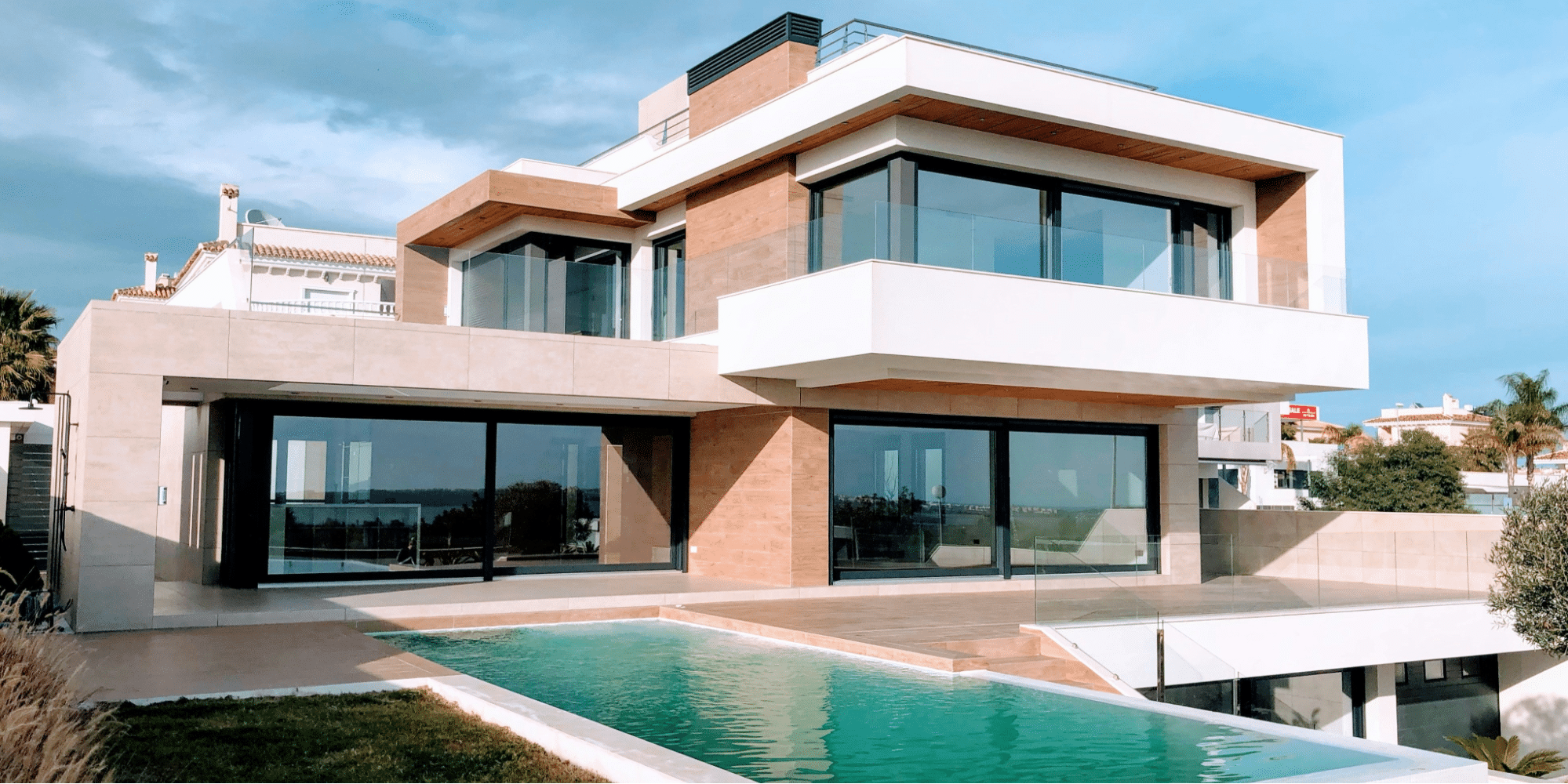
Newly constructed homes deliver modern designs, energy efficiency, and the latest technology. Built to current codes, they often feature open floor plans, smart home systems, and customizable finishes, providing convenience and style. These homes generally require less maintenance and come with warranties, offering peace of mind for repairs.
Energy-efficient appliances and construction techniques can also lower utility bills, aligning with sustainable living goals. For those who value comfort, convenience, and minimal upkeep, new builds present an attractive option.
Consider a recent buyer in California who moved into a new development featuring solar panels and energy-efficient windows. In the first year, they noted significant savings on utility bills, highlighting how modern designs can combine comfort with cost-efficiency.
Shannon Beatty of House Buying Girls shares, “Many of the clients I work with are looking for homes that align with their values, and sustainability is a big one. Smart home systems that save energy, like automated lighting or efficient thermostats, are incredibly appealing. We’ve seen buyers prioritize these features over traditional upgrades. Whether it’s energy efficiency or open layouts, modern designs often meet today’s lifestyle needs.”
Lifestyle Considerations
When deciding between a historic home and a new build, think about your lifestyle and priorities. If you appreciate historical significance, architectural uniqueness, and are ready for maintenance challenges, a historic home might suit you. On the other hand, if you prefer modern amenities, energy savings, and low-maintenance living, a new build could be your ideal match.
Families with young children often prefer new builds because they offer open spaces and safer designs. Meanwhile, couples or individuals who enjoy art, antiques, and preservation may find historic homes more appealing. Assessing your priorities and visiting both options can make the decision clearer.
Parker McInnis from Speedy Sale Home Buyers reflects, “My journey from the football fields of Michigan to real estate encapsulates a spirit of determination and a passion for community. Coaching young athletes and participating in mission trips have reinforced my commitment to making a positive impact in people’s lives, whether through sports or helping them find joy in their homes. Homes, whether new or old, should reflect the dreams and values of their owners.”
Balancing Costs and Investments
Beyond lifestyle, financial considerations play a key role in choosing between a historic home and a new build. Historic homes often have higher insurance costs due to older materials and structural vulnerabilities. Additionally, utility bills can be higher without modern insulation and windows. On the flip side, they may appreciate in value over time due to their uniqueness and scarcity.
New builds, while typically more affordable to maintain, may lack the long-term appreciation potential of historic homes. However, their modern features can attract buyers quickly when it comes time to sell, offering flexibility for future plans.
Liz Hutz of Liz Buys Houses advises, “When I started working with first-time buyers, I realized how overwhelming fixer-uppers can seem. But with the right strategy, they can be incredibly rewarding. I always recommend focusing on high-impact upgrades that increase value without breaking the bank. Whether it’s refinishing hardwood floors or adding modern fixtures, small changes can make a big difference in both comfort and resale value.”
For those focused on investment potential, blending historic charm with modern upgrades could create the best of both worlds. Adding energy-efficient systems or modern kitchens in older homes often increases resale value while maintaining their timeless appeal.
Conclusion
The decision between a historic home and a new build ultimately depends on your lifestyle, values, and goals. Historic homes offer timeless charm and character, while new builds provide modern amenities and energy efficiency. By weighing the pros and cons and considering expert advice, you can confidently choose the home that fits your vision for the future. Whether restoring history or embracing innovation, the right home can help you create memories that last a lifetime.
Disclaimer: The information provided in this article is for general informational purposes only and does not constitute financial, investment, or legal advice. Readers should consult with a qualified professional for advice tailored to their specific circumstances.
Published by Elle G.