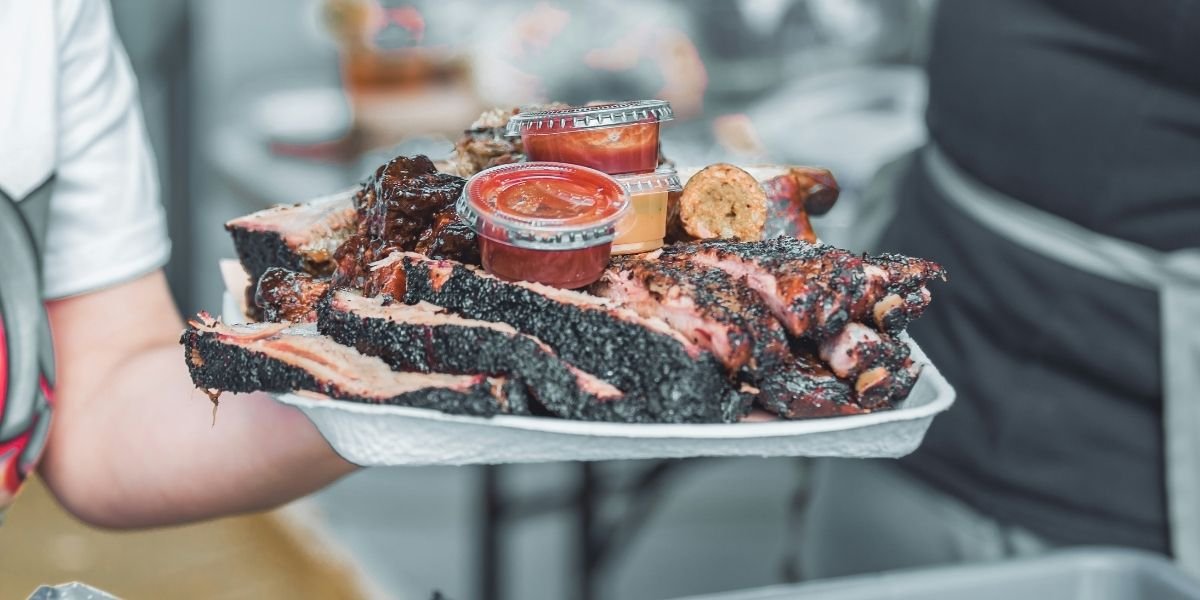
Iconic barbecue establishments across Texas are closing or altering operations as beef prices rise to historic heights, leaving owners, employees, and diners confronting a major shift in one of the state’s most familiar food traditions. Operators report closures of well-known pits and long-standing neighborhood favorites amid mounting financial pressure that has reshaped menu offerings, customer behavior, and the broader barbecue business.
Several beloved barbecue restaurants have recently shut their doors. Brett’s BBQ Shop in Katy closed after decades of service, Kirby’s BBQ in New Caney announced its end following years of family-run operation, and Sabar BBQ in Fort Worth and Wright on Taco & BBQ in East Texas also ceased operations. Employers cited the high cost of beef, combined with other operational expenses, as the primary reason for stepping away from the business.
Operators and analysts say the rapidly escalating price of beef, particularly brisket, a cornerstone of Texas barbecue, is reshaping profitability for restaurants that depend on beef sales to attract customers. Several pitmasters describe the current environment as among the most challenging ever seen for the state’s barbecue sector.
Record Beef Prices and Supply Challenges
Wholesale and retail beef prices have climbed sharply. The average retail price for beef reached an all-time high in April, rising significantly year-over-year. These premium price levels translate to wholesale cuts like brisket costing restaurants far more than in prior years, squeezing margin buffers that already face labor, rent, and utility costs.
The reduction in the U.S. cattle herd contributes to limited beef supply. Sustained drought conditions and high feed expenses have led ranchers to reduce herd sizes, tightening the availability of cattle. Analysts note that these supply constraints, combined with high operational costs, create ongoing pressure for restaurants heavily reliant on beef.
Pitmasters in Texas report wholesale brisket prices rising by nearly 25 to 30 percent compared with prior years. At the restaurant level, some have raised brisket menu prices to $35 to $38 per pound to cover the cost increase, a price much higher than many diners are accustomed to paying for barbecue.
Adaptation Tactics Among Barbecue Operators
Restaurants confronting these conditions are implementing a range of strategies to adjust. Adjustments include offering limited quantities of brisket on select days, incorporating alternative proteins, and revising menu pricing. Operators report that these measures help manage inventory while maintaining service levels for loyal customers.
Business organizations have highlighted that rising beef prices are part of a broader trend affecting restaurant expenses, including labor, utilities, and other supply costs. These combined pressures make it difficult for operators to maintain profitability while offering traditional barbecue items.
Employees across the barbecue sector are also feeling the effects. Some workers at closing restaurants face layoffs, while staff at struggling establishments report reduced hours and altered shifts as owners try to balance payroll with rising supply expenses. Small pitmasters frequently operate on tight margins, and many acknowledge that the combination of labor, fuel, and ingredient costs makes daily operations difficult to sustain at prior levels.
Shifts in Consumer Dining Behavior and Retail Trends
Consumers are responding to rising prices and menu changes in noticeable ways. Local diners and barbecue enthusiasts report choosing restaurants based on price and availability of beef cuts, with some opting for sides and non-beef proteins to stretch dining budgets. Others are visiting less frequently or organizing group orders where costs can be shared among more customers, reducing individual expense.
Data from retail grocery markets reflect elevated beef costs as well, with figures showing ground beef and steak prices near historic levels. These high retail prices mirror the pressures faced by restaurants and reinforce why operators must balance costs in an environment where key ingredients remain expensive.
Despite price pressures, demand for beef has remained strong in many sectors. National sales figures indicate continued consumer spending on beef products, even as prices grow. Analysts suggest that cultural affinity for beef and ongoing summer grilling season demand is maintaining interest across consumer groups, supporting strong overall sales in retail channels despite restaurant challenges.
Industry and Market Observers Highlight Structural Forces
Observers note that concentration within meatpacking and supply chain sectors can influence price setting and distribution efficiency. A small number of major meat processors handle a significant share of cattle processing, and their pricing structures can affect costs across the supply chain. Analysts have pointed to this concentration as an element contributing to sustained high prices in both wholesale and retail markets.
Local and state authorities have indicated they are monitoring supply conditions as part of broader examination of market conduct and price trends. Regulatory officials are reviewing data on beef pricing and distribution, seeking to understand how market conditions affect availability and cost for foodservice providers and consumers.
In the face of these pressures, barbecue operators continue to assess their options. Some are exploring long-term contracts with suppliers to secure more stable pricing, while others are adjusting business models to emphasize a broader mix of menu items that balance customer demand with cost realities.
Cultural Significance and Broader Economic Effects
For many Texans, barbecue has deep roots extending across generations. Smaller community restaurants are often landmarks where families gather and local traditions are reinforced. The shift in barbecue economics, with closures and price increases, has prompted local conversations about how traditional food businesses adapt amid tight supply conditions and higher operating costs.
Some barbecue enthusiasts express concern that the cumulative effect of rising beef prices and restaurant closures could change regional dining patterns long-term, particularly in towns where barbecue restaurants are major local attractions. Others see signs of adaptation, as restaurants adjust their offerings and new dining formats, such as faster-casual service or shared meals, gain traction as viable alternatives.
While the pattern of closures and menu changes continues to unfold, operators, consumers, and market watchers remain attentive to beef pricing, supply trends, and evolving business responses shaping the future of Texas barbecue.