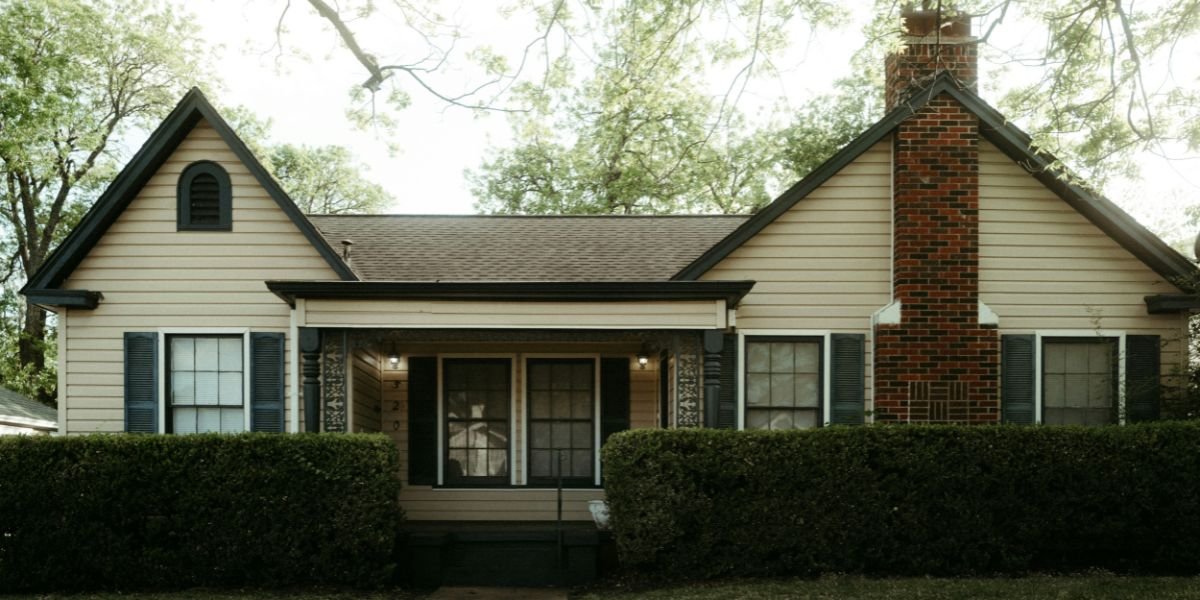
A civil war-era explosive kept for years as a presumed replica was removed from a rural South Texas home after a visitor with military experience questioned whether it was safe. The incident involved county deputies and a Joint Base San Antonio-Lackland explosives team, and ended with the shell’s controlled destruction at Camp Bullis.
Key Takeaways
- Deputies responded before 8 a.m. on July 27, 2026, to the 21000 block of FM 791 near Campbellton.
- The homeowner reportedly believed the artillery round was a harmless replica and had owned it for years.
- Military specialists identified the object as a live Parrott artillery shell associated with Civil War weapons.
- The shell was transported to Camp Bullis and destroyed. Officials reported no injuries or pending charges.
The response began when an Atascosa County homeowner contacted authorities after a friend with military experience examined an old artillery round. The friend suspected the object might still contain explosive material, changing what had been treated as a display piece into a possible emergency.
Deputies arrived at the rural property near Campbellton shortly before 8 a.m. on Monday, July 27. According to the Atascosa County Sheriff’s Office, the resident had possessed the item for years and believed it was a replica rather than functioning ammunition.
Officials identified the location as the 21000 block of FM 791. They did not publicly name the homeowner or explain how the shell was acquired or how long it had been displayed.
The sheriff’s office requested assistance from an explosive ordnance disposal team based at Joint Base San Antonio-Lackland. Atascosa County Emergency Medical Services and the county Office of Emergency Management also supported the response.
Specialists determined the object was a live Parrott artillery shell. The team removed it and transported it to an explosives range at Camp Bullis, a military training site north of San Antonio, where it was destroyed under controlled conditions.
No injuries were reported, and officials said no charges were pending. Deputies managed the scene while trained military personnel assessed, transported and disposed of the device.
The Parrott Shell’s Civil War History
Parrott rifles were muzzle-loading, rifled artillery weapons developed by Robert Parker Parrott at the West Point Foundry in 1860 and patented the following year. The National Park Service states that the design used a thick iron reinforcing band around the cannon’s breech.
Rifling caused an elongated projectile to spin as it traveled, offering greater accuracy than many smoothbore cannon of the period. Parrott weapons were manufactured in several sizes and were used extensively during the Civil War.
Authorities described the South Texas object as a Parrott shell but did not release its caliber, weight, markings or estimated production date. The available record therefore does not establish which model fired it or whether it could be linked to a specific military action.
Texas archaeological work continues to uncover military objects from earlier periods. A separate Alamo cannonball discovery in San Antonio showed how specialists document artifacts during a managed excavation. The Atascosa County shell presented a different situation because authorities determined it remained live.
The Discovery Reinforces Ordnance Safety Guidance
The case carries a warning for people who possess inherited ammunition, battlefield relics or military souvenirs. Corrosion, age and repeated handling do not prove an explosive item is inert. An object described as a replica, dummy round or spent shell may still require professional evaluation.
The U.S. Army Corps of Engineers advises the public to follow the “3Rs of Explosives Safety.” People should recognize a possible munition, retreat without approaching or disturbing it, and report what they saw and where they saw it by calling 911.
The agency warns that munitions are not souvenirs or keepsakes. Even an item held by a family for many years may remain hazardous and should not be moved, touched or transported to a police station.
Moving suspected ordnance can expose a device to impact, friction or vibration. Members of the public cannot determine from surface damage whether a fuse, explosive filling or other internal component remains functional.
Texas agencies regularly coordinate emergency response preparations for hazards requiring local and specialized resources. In the Campbellton-area incident, the homeowner’s call allowed trained personnel to manage the object without a reported injury.
Frequently Asked Questions
What Was Found Inside the South Texas Home?
Authorities found a live Parrott artillery shell that had reportedly been kept for years as a presumed replica. Specialists associated the ammunition type with artillery used during the Civil War.
Where Was the Shell Discovered?
Deputies responded to the 21000 block of FM 791 near Campbellton in Atascosa County. The sheriff’s office did not publicly identify the homeowner or provide a more precise location.
Who Removed and Destroyed the Shell?
An explosive ordnance disposal team from Joint Base San Antonio-Lackland assessed and removed the device. The team transported it to Camp Bullis, where it was destroyed at an explosives range.