By: Nicholas Moore
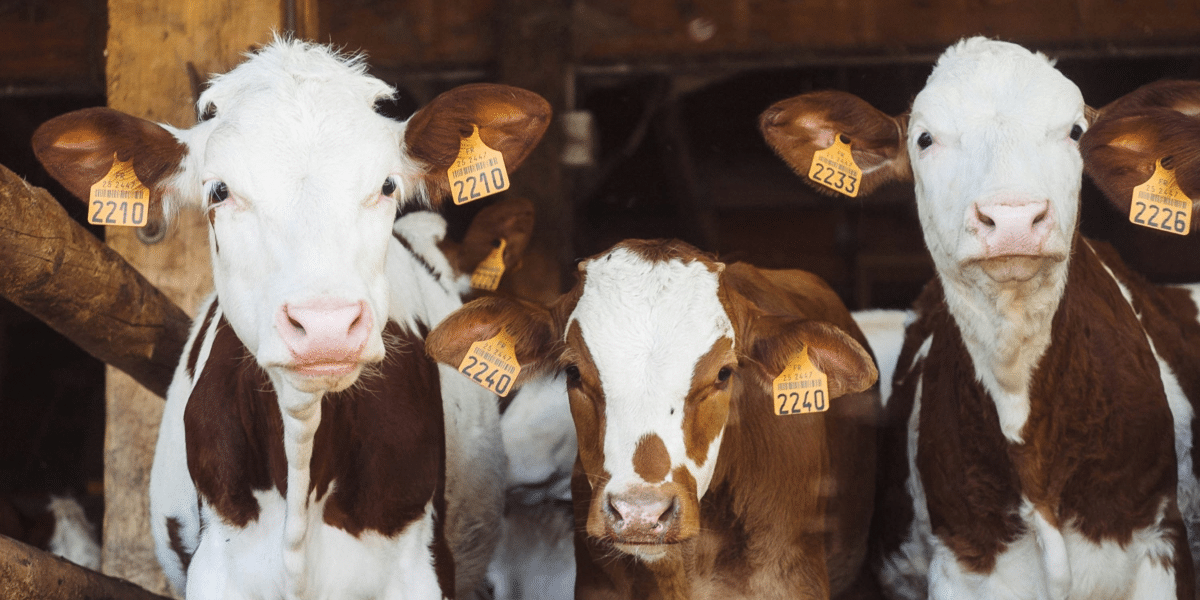
Ensuring humane handling practices in farm animals is a fundamental aspect of responsible agriculture. Beyond the ethical imperative of treating animals with compassion, there are significant economic and regulatory drivers that underscore the necessity of humane treatment.
Ethically, it aligns with our societal values of compassion and respect for all living beings. Economically, it impacts consumer trust, brand reputation, and ultimately, market viability. Adherence to humane handling practices is often mandated by regulatory bodies to maintain food safety standards and mitigate public health risks.
Meg Miller, a student of agriculture who is building a career in animal and ag science, delves into the importance of humane handling practices, exploring their ethical, economic, and regulatory dimensions. By gaining a comprehensive understanding of these practices and their associated benefits, stakeholders in the agricultural industry can foster environments where both animal welfare and operational efficiency thrive.
The Ethical Imperative for Humane Handling
Humane handling in the context of farm animals refers to the respectful and considerate treatment of these sentient beings throughout their lives, from birth to slaughter. It encompasses practices aimed at minimizing stress, pain, and fear while maximizing their comfort and well-being.
Ethical theories and philosophies provide a strong foundation for advocating humane treatment of farm animals. Utilitarianism, for instance, emphasizes the importance of minimizing suffering and maximizing happiness, extending moral consideration to all beings capable of experiencing pleasure and pain. Similarly, deontological ethics underscore the intrinsic value and rights of animals, regardless of their utility to humans.
Central to discussions on humane handling is the concept of animal welfare, which concerns the quality of life experienced by animals. Advocates argue that animals, like humans, deserve to be treated with dignity and respect, and their welfare should be prioritized in agricultural practices.
Research indicates that humane handling practices significantly impact animal stress levels and overall well-being. Stress not only diminishes animal welfare but also affects meat quality and productivity. Therefore, implementing humane handling procedures is not only ethically sound but also beneficial for both animals and agricultural operations.
Regulatory Frameworks and Standards
Farm animal handling is subject to a comprehensive framework of international and national regulations aimed at ensuring the humane treatment of animals throughout the agricultural supply chain. Internationally, organizations such as the World Organization for Animal Health (OIE) set guidelines and standards to promote animal welfare and health. Additionally, regional bodies like the European Union (EU) enforce stringent regulations to safeguard animal welfare in member states.
At the national level, government agencies like the United States Department of Agriculture (USDA) play a pivotal role in overseeing animal welfare standards and enforcing compliance with regulations. These regulations encompass various aspects of farm animal handling, including transportation, housing, and slaughter practices.
“Compliance with these regulations is not only a legal obligation but also crucial for maintaining consumer trust and market access,” says Meg Miller. “Farms failing to meet regulatory requirements may face penalties, fines, or even legal action, along with reputational damage.”
Recent trends indicate a growing emphasis on animal welfare legislation, with many countries updating their regulations to reflect evolving societal attitudes and scientific understanding of animal welfare. This includes measures to improve housing conditions, enhance transportation practices, and minimize stress during handling and slaughter processes. Keeping abreast of these developments is essential for ensuring compliance and promoting continuous improvement in farm animal welfare standards.
Ideal Practices in Humane Handling
Minimizing stress during farm animal handling requires the implementation of effective techniques and methods. Gentle handling, proper restraint, and avoiding loud noises or sudden movements are key strategies to reduce stress and anxiety in animals. Additionally, providing adequate space, ventilation, and comfortable flooring during transportation and housing can contribute to their well-being.
Training and education for farm workers are essential components of promoting humane handling practices. Workers should be trained in animal behavior, proper handling techniques, and recognizing signs of stress or discomfort. Continuous education programs ensure that employees stay updated on the latest ideal practices and maintain high standards of animal welfare.
Technology also plays a significant role in improving humane handling practices. Automated handling systems, such as conveyor belts and hydraulic lifts, can minimize the need for manual handling and reduce stress on animals.
Notes Miller, “Monitoring devices and sensors can track animal behavior and health parameters, allowing for early intervention and optimization of handling procedures.”
Regular assessments and audits are vital for maintaining standards of humane handling. Farms should conduct routine evaluations of their handling practices and facilities to identify areas for improvement. External audits by independent organizations or regulatory agencies provide an additional layer of oversight and accountability, ensuring that farms adhere to established welfare standards and continuously strive for excellence in humane handling practices.
Benefits of Humane Handling Practices
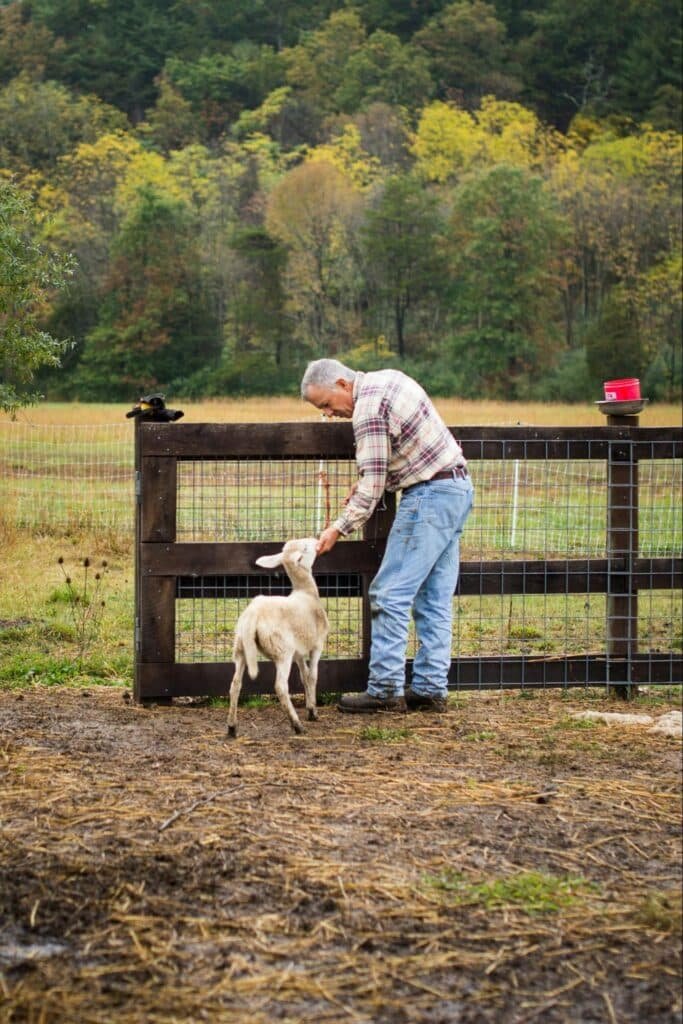
Implementing humane handling practices in farm animal management offers a plethora of benefits across various domains. Economically, adopting these practices can lead to improved productivity and product quality. Reduced stress levels in animals result in better growth rates, feed conversion efficiency, and overall health, ultimately translating into higher yields and profitability for farmers.
Moreover, humane handling practices contribute to enhanced public perception and consumer trust in agricultural products. Consumers increasingly prioritize ethical considerations when making purchasing decisions, and farms that demonstrate a commitment to animal welfare are perceived favorably. This positive reputation can result in increased market demand and brand loyalty.
In addition to economic advantages, humane handling practices also yield significant benefits in terms of animal health and well-being. Minimizing stress during handling reduces the risk of injuries and illnesses, leading to healthier and more resilient livestock populations.
“Embracing humane handling practices aligns with long-term sustainability goals and ethical farming principles,” says Miller.
By prioritizing animal welfare, farms contribute to a more compassionate and environmentally responsible food system, fostering harmony between agricultural practices and societal values. Overall, the adoption of humane handling practices promotes a holistic approach to farming that benefits animals, farmers, consumers, and the environment alike.
The significance of humane handling practices in farm animal management continues to be priority. It’s imperative to remain committed to continuous improvement and strict adherence to humane standards. This entails ongoing education and training for farm workers, investment in technological innovations, and regular assessments to ensure compliance with regulatory requirements.
Published By: Aize Perez