By: Carter Reynolds
Few individuals have reshaped the world of exploration quite like Richard Wiese. As the president of The Explorers Club, Wiese has taken on the challenge of modernizing exploration, expanding its definition beyond adventure and into science, conservation, and cultural preservation. His leadership has paved the way for a new generation of explorers, ensuring that discovery remains a crucial part of global progress.
Growing up in an environment where adventure was part of life, Wiese developed a fascination with exploration from an early age. His father, Richard Wiese Sr., made history as the first person to fly solo across the Pacific Ocean, setting the foundation for Wiese’s lifelong dedication to discovery. By 11, he had already climbed Mount Kilimanjaro, but his passion for exploration extended far beyond personal achievements.
Wiese has always believed that exploration is about more than just reaching new places—it is about gaining and sharing knowledge with the world. His leadership at The Explorers Club has been centered on making exploration more inclusive, ensuring that voices from all backgrounds are heard. He has worked to connect adventurers, scientists, and conservationists, fostering an environment where discovery is a collective effort.
One of Wiese’s most impactful contributions has been the Explorers Club 50 (EC50), an initiative highlighting individuals making groundbreaking contributions to exploration and science. “The world doesn’t just need more explorers; it needs more recognized explorers,” Wiese explains. Through EC50, he has provided a platform for researchers, conservationists, and pioneers whose work is changing how we understand our planet.
Beyond his work with The Explorers Club, Wiese has played a crucial role in bringing exploration into the mainstream through media. His Emmy-winning television series Born to Explore has introduced audiences worldwide to remote cultures, scientific discoveries, and pressing environmental issues. “If we want to inspire the next generation of explorers, we have to make discovery engaging and accessible,” Wiese says. His ability to blend storytelling with real-world adventure has made him a prominent voice in exploration and conservation.
The impact of Wiese’s initiatives is evident in the lives of those he has helped elevate. “Being named an EC50 honoree truly turned my world upside down in the best way,” says Dr. Britney Schmidt, a polar explorer. “Before that, I was more of a silent member of The Explorers Club, but this recognition connected me with an incredible community of like-minded explorers who see the world in unique ways.”
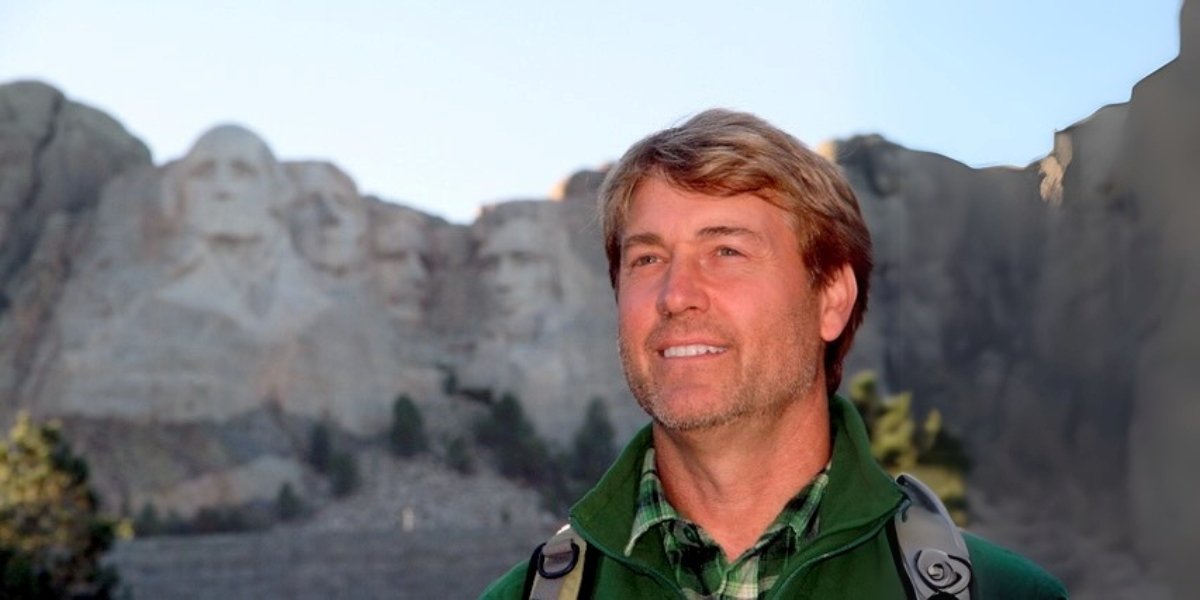
A firm believer in the power of collaboration, Wiese has helped form partnerships between explorers, corporations, and research institutions, ensuring that critical projects receive the support they need. “No one explores alone,” he emphasizes. “The best discoveries happen when we work together, share ideas, and support one another.”
Looking toward the future, Wiese sees exploration as a tool for addressing the world’s most urgent challenges, from climate change to cultural preservation. “Exploration is about more than adventure,” he says. “It’s about applying knowledge to create solutions that benefit everyone.”
Through his leadership, Richard Wiese is shaping the future of exploration, ensuring that it remains a force for knowledge, innovation, and progress. By making it more inclusive and collaborative, he has helped redefine what it means to be an explorer in today’s world. Whether through his work at The Explorers Club, his television career, or his advocacy for scientific research, Wiese continues to leave a lasting impact on the world of exploration.
Published by Anne C.