Texas Advanced Computing Center is expanding its operations with a new facility in Round Rock as Texas sees a growing number of planned data centers. The expansion offers insight into how these facilities support scientific research, artificial intelligence and the state’s increasing demand for computing infrastructure.
Key Takeaways
- Texas Advanced Computing Center is building a new data center in Round Rock.
- Texas has nearly 250 proposed data center projects under development.
- The Austin facility supports scientific research and artificial intelligence computing.
- Data centers require significant electricity, cooling systems and water resources.
- Texas continues to attract data center projects because of available land and its development environment.
The Texas data center sector continues to expand as the Texas Advanced Computing Center (TACC) advances construction of a new facility in Round Rock while operating one of the state’s leading high-performance computing centers in Austin. The project comes as Texas records a growing pipeline of proposed data centers that support scientific research, cloud services and artificial intelligence workloads.
Officials at TACC said the expansion reflects increasing demand for computing capacity. The new Round Rock facility is expected to provide significantly more space and electrical capacity than the center’s existing Austin location, allowing researchers to process larger and more complex datasets.
Texas has emerged as one of the country’s fastest-growing destinations for new data center projects. Industry estimates indicate nearly 250 facilities have been proposed across the state, positioning Texas as a major location for future computing infrastructure.
Texas Data Center Expansion Reaches Central Texas
TACC has operated advanced computing systems for the University of Texas for decades and is now preparing for its next phase of expansion with the construction of a larger facility in Round Rock.
The organization stated that computing demand has increased substantially, requiring additional space, electrical infrastructure and cooling capacity to support future research.
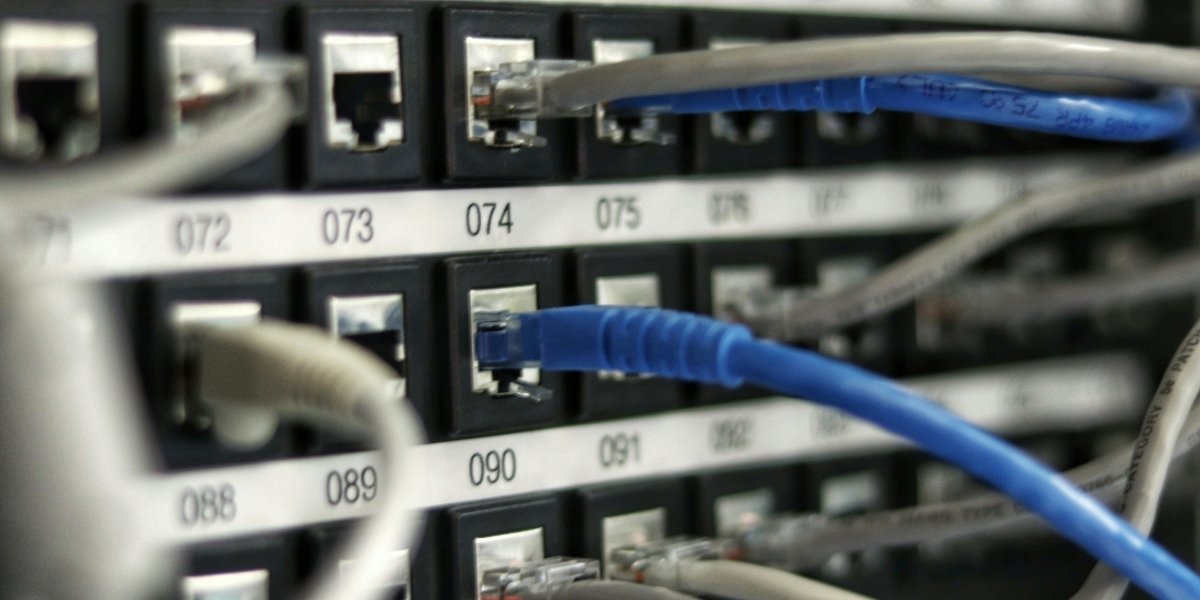
Unlike traditional office buildings, modern data centers are designed around computer hardware. Large rooms contain rows of servers that operate continuously while specialized electrical and cooling systems maintain stable operating conditions. The expansion also follows recent changes to Texas data center grid connections that are intended to streamline access to the state’s electric system.
The planned Round Rock facility represents a substantial increase in computing capacity compared with the existing Austin site. The project reflects the growing role of high-performance computing in research and artificial intelligence applications.
Texas continues to attract similar developments because developers can secure large parcels of land suitable for expansive campuses capable of supporting future computing growth.
Austin Facility Supports Scientific Research and AI Computing
Supercomputers Process Research Applications
The Austin facility primarily supports scientific computing rather than commercial cloud storage. Its supercomputers process complex calculations used by universities, government agencies and research organizations.
Researchers use the systems to analyze climate data, study medical treatments and process astronomical observations. High-performance computing allows scientists to complete calculations that would otherwise require much longer processing times on conventional computer systems.
TACC has also contributed computing resources to projects involving observations from the James Webb Space Telescope, demonstrating the facility’s role in large-scale scientific research.
Artificial Intelligence Expands Computing Demand
Artificial intelligence has become another major driver of computing demand.
AI systems require extensive computational resources during model development and operation. These workloads rely on thousands of processors operating simultaneously, increasing demand for larger server installations and greater electrical capacity.
Unlike conventional data storage, AI computing requires continuous processing that places additional demands on both hardware and supporting infrastructure. State officials are also evaluating data center infrastructure costs as large facilities increase electricity demand across Texas.
As organizations adopt more AI applications, facilities capable of supporting those workloads require additional space, power distribution equipment and advanced cooling technologies.
Cooling Systems Shape Daily Data Center Operations
Air and Water Cooling Methods
One of the primary operational challenges inside a data center is heat management.
Thousands of computer processors generate significant amounts of heat while operating continuously. Maintaining safe temperatures requires dedicated cooling systems that function around the clock.
The Austin facility uses large cooling systems to circulate air through server rooms. Hundreds of cooling fans operate continuously to remove heat from equipment.
Another cooling approach relies on evaporative systems that reduce electrical consumption but require substantial volumes of water. Operators evaluate different cooling strategies based on efficiency, climate conditions and operational requirements.
Immersion Cooling Technology
TACC has also tested immersion cooling, a process that places computer components inside mineral oil instead of cooling them solely with air.
Immersion cooling reduces electricity and water consumption compared with some conventional methods because the liquid transfers heat more efficiently than air. The search for efficient cooling methods has also prompted discussion about alternative water sources for data centers as new projects are planned across Texas.
Facility officials stated that the approach remains more expensive than traditional cooling methods and requires specialized maintenance, limiting broader deployment despite its efficiency benefits.
Power consumption remains another operational consideration. TACC previously evaluated rooftop solar panels but determined they could support only a small portion of the facility’s computing equipment.
Texas Infrastructure Attracts New Data Center Development
Land Availability Supports Large Campuses
Texas continues to attract new data center projects because developers can secure large development sites capable of accommodating future expansion.
Large campuses provide room for additional buildings, electrical infrastructure and cooling systems that support increasing computing demand.
The availability of land also enables operators to design facilities capable of housing thousands of servers while maintaining room for future growth.
The planned facilities across Texas illustrate the scale of investment being directed toward computing infrastructure as organizations expand cloud computing and artificial intelligence capabilities.
Power Access Remains a Key Consideration
Electricity remains one of the most important requirements for every data center project.
Facilities consume substantial amounts of power to operate computer systems while simultaneously running cooling equipment that protects hardware from overheating.
Texas benefits from a regulatory environment that has supported commercial development, making it an attractive destination for infrastructure projects requiring significant electrical service. Communities are also weighing infrastructure impacts following San Marcos data center restrictions adopted earlier this year.
Power availability remains a critical factor during project planning because operators must secure sufficient capacity before facilities begin operating.
Community Concerns Accompany Rapid Facility Growth
The rapid increase in proposed data centers has prompted discussion among residents and local officials regarding infrastructure demands.
Community concerns include electricity consumption, water use and the long-term impact of large industrial-scale campuses on surrounding areas.
Some residents have questioned whether future facilities will generate enough permanent employment to offset demands on local infrastructure.
Water consumption has also become part of the discussion because certain cooling systems require substantial supplies during normal operations.
Facility operators continue evaluating technologies that improve cooling efficiency while reducing electricity and water use. Alternative approaches, including immersion cooling, remain under consideration as computing requirements continue increasing.
Texas’ expanding network of data centers reflects growing demand for facilities capable of supporting scientific research, artificial intelligence and advanced computing. Projects such as TACC’s Round Rock expansion illustrate the scale of infrastructure required to support these workloads while balancing operational efficiency with energy and resource considerations.
Frequently Asked Questions
What is the Texas Advanced Computing Center?
The Texas Advanced Computing Center is a high-performance computing facility at the University of Texas that supports scientific research, advanced computing and artificial intelligence workloads.
Why are more data centers being built in Texas?
Texas offers large development sites, available infrastructure and a regulatory environment that has attracted new data center projects supporting cloud computing and artificial intelligence.
What does the Austin data center do?
The Austin facility provides computing resources for scientific research, including projects involving medicine, climate science, astronomy and artificial intelligence.
How do Texas data centers keep computer servers cool?
Data centers use cooling systems such as air cooling, evaporative cooling and, in some cases, immersion cooling with mineral oil to manage heat generated by continuously operating servers.
Why are AI data centers expanding across Texas?
Artificial intelligence workloads require significantly greater computing capacity than many traditional applications, increasing demand for larger facilities with additional power and cooling infrastructure.