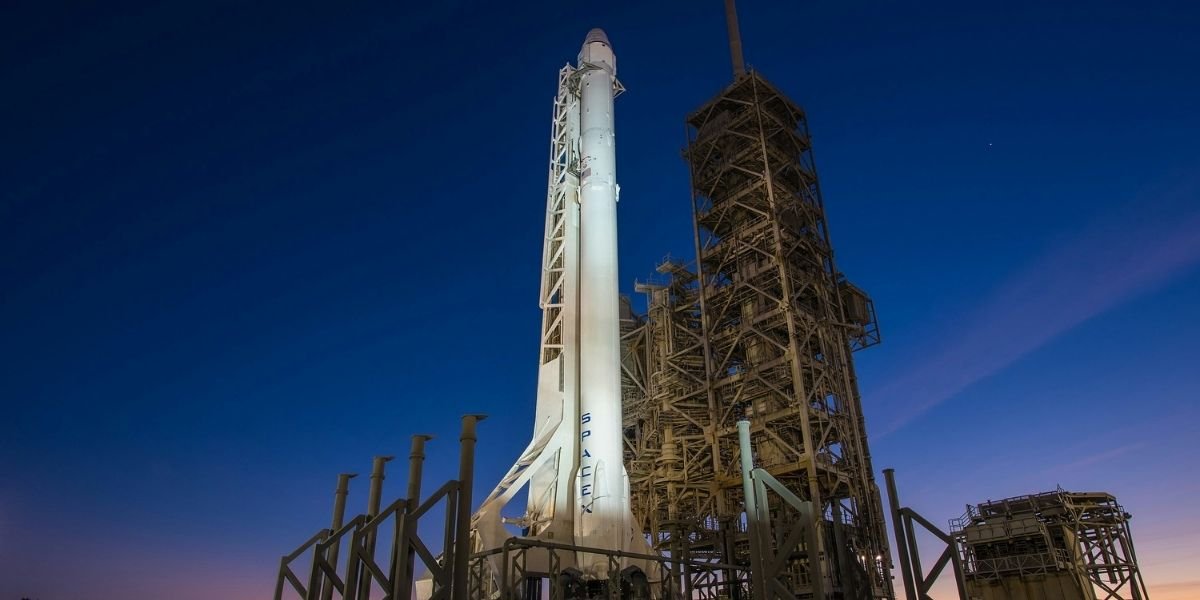
SpaceX’s Starship reached orbit for the first time during its 14th test flight from Starbase in South Texas, completing a key milestone for the vehicle and deploying 26 Starlink satellites. The uncrewed flight also included a controlled return of the Super Heavy booster to the Gulf.
Key Takeaways
- SpaceX’s Starship reached orbit for the first time during its 14th test flight.
- The launch took place at Starbase in South Texas.
- The vehicle deployed 26 next-generation Starlink satellites.
- One of Starship’s three main engines shut down earlier than planned, but the vehicle continued to orbit.
- The Super Heavy booster completed a controlled splashdown in the Gulf.
Starship Reaches Orbit During Its 14th Test Flight
The Texas Starship launch sent SpaceX’s Starship into orbit during the vehicle’s 14th test flight, giving the spacecraft its first successful orbital flight. The uncrewed mission originated at Starbase in South Texas and included the deployment of 26 next-generation Starlink satellites.
The orbital flight was the central development of the mission. Starship had previously completed test flights that did not reach orbit, making the 14th flight the first to achieve that objective.
SpaceX used the flight to carry Starlink satellites as Starship traveled toward orbit. The 26 satellites were deployed during the mission, adding an operational payload to a flight that also tested the spacecraft’s ability to reach orbit.
The mission involved both major parts of SpaceX’s Starship system. The Starship vehicle continued toward orbit while the Super Heavy booster returned toward the Gulf after the launch.
The flight’s Texas setting is part of a larger SpaceX presence in the region. Earlier in 2026, the company also advanced plans for new community space near Starbase, connecting its South Texas operations with activity beyond the launch complex.
The successful orbital flight provides a specific result from the 14th test: Starship reached orbit and completed its planned satellite deployment. The result distinguishes the mission from earlier Starship test flights that remained below orbital velocity.
SpaceX Launches Starship From Starbase in South Texas
SpaceX conducted the launch from Starbase, the company’s South Texas launch site. The location places the Starship test directly within the region’s aerospace activity and makes the flight a Texas-based space launch.
Starbase was the starting point for the uncrewed mission. From there, Starship began the flight that ultimately carried it into orbit and allowed the vehicle to deploy its 26-satellite payload.
The South Texas facility has been used for repeated Starship testing and launch preparations. SpaceX’s work at the site includes launch infrastructure and operations associated with the Starship vehicle and Super Heavy booster.
The Texas aerospace connection extends beyond SpaceX. Other companies are also expanding their operations in the state, including Texas aerospace manufacturing expansion involving Austin-based Firefly Aerospace.
The launch location is also relevant to the physical operations required for the Starship system. The mission involved the launch of Starship and the subsequent return of the Super Heavy booster to the Gulf.
The flight’s Texas connection therefore extends beyond the location of a launch event. Starbase served as the site from which the vehicle began its 14th test flight and the location associated with the spacecraft’s first successful orbital mission.
The launch also placed Starship’s orbital achievement within the same Texas operation that handled the booster return. The two parts of the vehicle followed separate portions of the mission after launch.
For Texas readers, the relevant facts are the launch location, the vehicle’s orbital result and the operations conducted from South Texas. Starbase was the launch point for a test flight that achieved a previously unmet objective for Starship.
Starship Deploys 26 Starlink Satellites in Orbit
Starship carried 26 next-generation Starlink satellites during the test flight and deployed them after reaching orbit. The satellite deployment gave the mission a defined payload in addition to testing the spacecraft’s orbital capability.
The satellites were part of the flight’s planned activities. Their deployment demonstrated that the Starship mission was not limited to reaching orbital conditions; the vehicle also carried and released the Starlink payload.
The 26-satellite payload provides a specific measure of the mission’s orbital operation. Starship reached orbit and then deployed the satellites during the same uncrewed flight.
The Starlink deployment also distinguishes the flight from a test involving only the vehicle itself. The spacecraft carried a payload into orbit and released it as part of the mission.
The satellites were described as next-generation Starlink satellites. Their deployment occurred after Starship reached orbit, linking the payload operation directly to the vehicle’s successful orbital flight.
The mission consequently produced two clear operational results: Starship reached orbit for the first time, and 26 Starlink satellites were deployed during the flight.
Those results came from the same 14th test flight launched from Starbase. The spacecraft’s orbital performance and satellite deployment were therefore connected parts of one mission.
SpaceX’s Texas operations also include infrastructure activity tied to the company’s broader presence in South Texas. Brownsville previously approved a SpaceX water infrastructure agreement involving regional water and wastewater projects.
Early Engine Shutdown Does Not Prevent Orbital Mission
One of Starship’s three main engines shut down earlier than planned during the flight. Despite that engine shutdown, Starship continued its flight and reached orbit.
The engine issue occurred during a mission that ultimately achieved its primary orbital objective. The vehicle remained capable of continuing toward orbit after the early shutdown.
Starship’s ability to continue the flight meant the engine shutdown did not prevent the spacecraft from completing the orbital portion of the mission. The vehicle subsequently deployed its 26 Starlink satellites.
The event provides an operational detail from the flight because the mission did not proceed with all three main engines operating for the entire planned sequence. One engine stopped earlier than expected, while the spacecraft continued toward its orbital destination.
The successful continuation of the flight also means the engine shutdown did not end the test prematurely. Starship remained in the mission sequence long enough to reach orbit and carry out the satellite deployment.
The 14th test flight therefore produced both a successful orbital result and an engine-related event. The two facts are part of the same flight record: one of the three main engines shut down early, while Starship continued to orbit.
The mission’s outcome was determined by the spacecraft’s ability to continue operating after that shutdown. Starship reached orbit despite the loss of one engine before the planned end of its operation.
Super Heavy Booster Completes Controlled Gulf Splashdown
The Super Heavy booster completed a controlled splashdown in the Gulf after separating from the Starship mission. Its return formed the second major flight operation described in the test.
While Starship continued toward orbit, Super Heavy followed a separate return sequence. The booster ultimately reached the Gulf in a controlled splashdown.
The controlled splashdown occurred after the booster had completed its portion of the flight. Starship’s orbital mission and Super Heavy’s Gulf return together accounted for the principal vehicle operations identified in the test.
The booster outcome also provides a separate result from Starship’s orbital achievement. Starship reached orbit and deployed its payload, while Super Heavy completed its controlled return to the Gulf.
The 14th test flight consequently combined an orbital mission for Starship, satellite deployment and a controlled booster splashdown. All three operations occurred as parts of the same launch from Starbase in South Texas.
The flight established a specific sequence of results: Starship reached orbit for the first time, 26 next-generation Starlink satellites were deployed, one of three main engines shut down earlier than planned, and the Super Heavy booster completed a controlled Gulf splashdown.
Frequently Asked Questions
Did SpaceX Starship reach orbit from Texas?
Yes. Starship reached orbit during its 14th test flight after launching from SpaceX’s Starbase facility in South Texas.
How many Starlink satellites did Starship deploy?
Starship deployed 26 next-generation Starlink satellites during the orbital test flight.
Where did the Starship test flight launch?
The uncrewed mission launched from Starbase in South Texas.
Which Starship flight first reached orbit?
The 14th Starship test flight was the first to reach orbit, according to the editorial blueprint for this report.
What happened to the Super Heavy booster?
The Super Heavy booster completed a controlled splashdown in the Gulf after its portion of the flight.