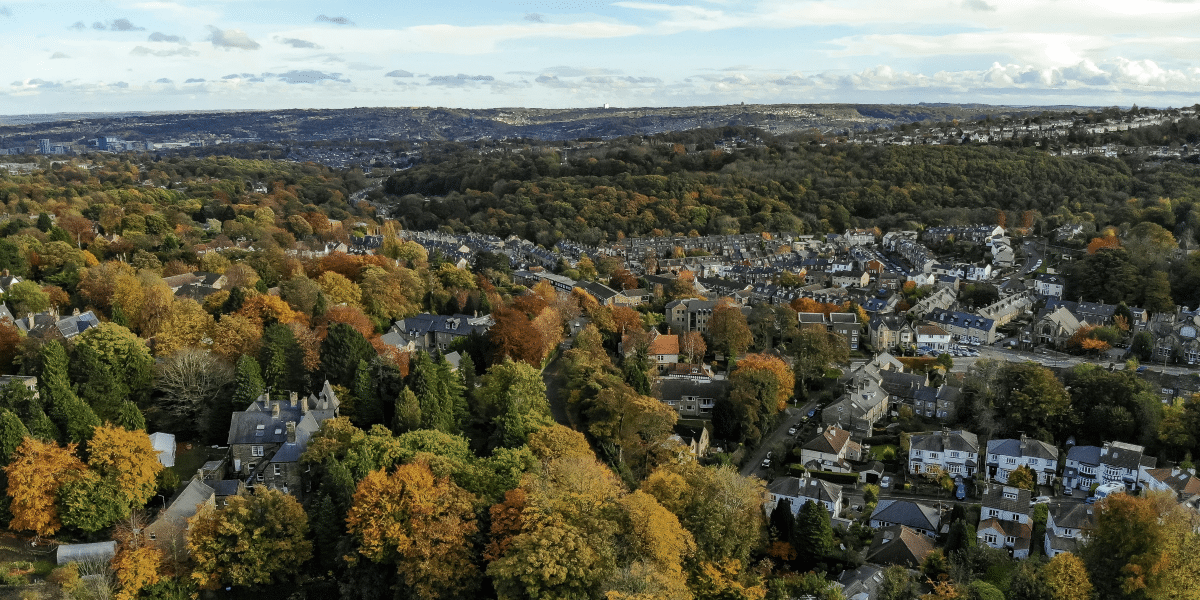
Yorkshire’s industrial landscape is a tapestry of innovation, hard work, and transformation. During the Industrial Revolution, the region became a powerhouse for textiles, steel, and coal production. As factories sprouted across the county, towns and cities such as Leeds, Sheffield, and Bradford quickly became vital players in Britain’s industrial engine. These factories, many of which still stand as testaments to this era, provide a glimpse into the lives and achievements of the men and women who powered one of the most important shifts in global history.
Leeds and Bradford: The Textile Titans
In the early 19th century, Leeds and Bradford became synonymous with textile manufacturing. This boom was largely due to Yorkshire’s access to abundant raw materials like wool and coal, coupled with innovations in machinery that could process fibers at unprecedented speeds. The industrial heart of Leeds was built around its mills, where cloth and wool were produced on a massive scale, turning the city into one of the reputable textile capitals.
One iconic symbol of this era is Armley Mills, which today stands as the Leeds Industrial Museum. During its peak, it was one of the largest woolen mills in the world. The mill produced vast quantities of textiles, shipping goods across Britain and internationally. A visit to Armley Mills today reveals a glimpse into the working conditions of mill workers—many of whom were women and children—and the factory system’s profound impact on Yorkshire’s workforce.
Meanwhile, Bradford earned its reputation as the premier wool capital. Massive mills such as Listers Mill dominated the skyline, producing everything from worsted wool to high-end fabrics. These industrial giants employed thousands, and Bradford became known for its immigrant workforce, particularly workers from Ireland, who found employment in the mills. Today, some of these old mills have been repurposed into modern spaces, preserving their industrial charm while adapting to contemporary uses.
Sheffield: Steel City and the Rise of Heavy Industry
While exploring Yorkshire’s rich industrial past, it’s noteworthy that Sheffield, renowned for its steel production, played a significant role in shaping the region’s economic history. Known as the “Steel City,” Sheffield’s rise to prominence was driven by its ability to produce high-quality steel, which fueled its industrial expansion and international competitiveness.
The roots of Sheffield’s steel industry go back centuries, but it wasn’t until the 19th century that the city became synonymous with the mass production of steel goods, particularly cutlery, tools, and machinery. The development of the Bessemer process—which revolutionized steel production by making it faster and cheaper—solidified Sheffield’s place at the heart of the Industrial Revolution. Factories such as Sheffield Forgemasters and Brown Bayley Steel Works became European household names, producing steel for everything from railways to battleships.
Sheffield’s industrial factories were not just about production but also centers of technological advancement. Innovations like stainless steel were pioneered here, marking a turning point in manufacturing industries worldwide. The sheer scale of production and the city’s dedication to improving the quality and variety of steel products ensured that Sheffield maintained its industrial dominance well into the 20th century. Today, sites like the Kelham Island Museum capture the spirit of this age, offering visitors the chance to see the machinery and tools that once dominated the city’s factories.
Preserving Yorkshire’s Industrial Legacy
Yorkshire’s industrial legacy is not confined to the mills and factories themselves. The workers who toiled within these factories, often under harsh conditions, shaped the communities that grew up around them. Industrial towns like Huddersfield and Halifax were born out of the demand for labor, creating new urban centers that developed unique cultures tied to the rhythms of factory life.
These industrial spaces are now being preserved, allowing modern visitors to step back in time. The village of Saltaire, near Bradford, is one such example. Built by Sir Titus Salt in 1851, this model village was constructed to house workers for Salt’s textile factory. The village remains remarkably well-preserved today as a UNESCO World Heritage site. Saltaire was designed to provide housing and amenities like schools, hospitals, and libraries for its workers, reflecting a growing recognition of the importance of workers’ welfare during the industrial age.
Elsewhere, sites like the National Coal Mining Museum in Wakefield and the Armley Mills Industrial Museum continue to educate new generations about Yorkshire’s role in Britain’s industrial development. The stories of the factories and their workers are more than just footnotes in history; they form the backbone of Yorkshire’s identity. While many of the mills and factories no longer churn out goods, their influence is still felt in the architecture, communities, and pride of the people who live in these once-thriving industrial hubs.
For those exploring Yorkshire’s industrial heritage, the experience is not just about seeing old machinery or learning about past production methods. It’s an opportunity to connect with the region’s cultural and economic roots– understanding how past innovations laid the foundation for modern society. Whether visiting the towering chimneys of an old mill, walking through a steel factory, or learning about the hardships of coal miners, Yorkshire’s industrial story is one of grit, innovation, and enduring legacy.
Published by: Annie P.