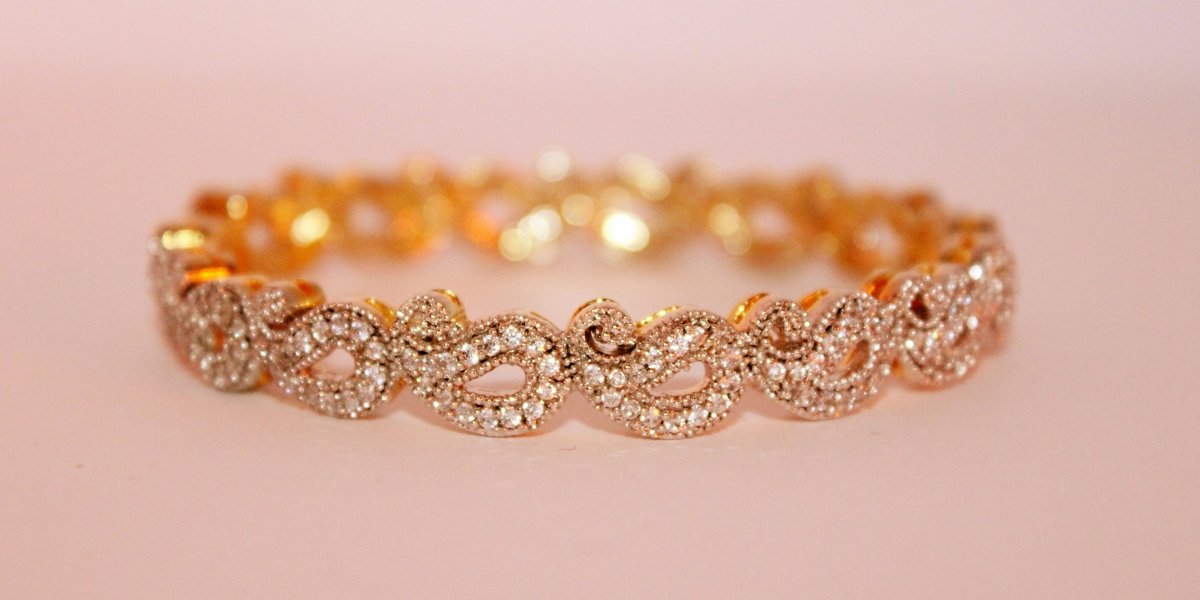
There is a specific kind of heart-stopping panic that can occur when you look down at your wrist and see nothing but a faint tan line where your diamond bracelet used to be. For admirers of fine jewelry, the diamond tennis bracelet is more than just an accessory. It is a significant financial investment and often a sentimental heirloom. While the clarity of the diamonds and the quality of the gold often receive most of the attention, the unsung hero of any high-end wristwear is the clasp, specifically the figure-eight safety catch.
In the world of fine jewelry, security is paramount. A standard box clasp provides a seamless finish, but without a secondary locking mechanism, it may leave your investment more susceptible to snagging, loosening, or accidental loss. This is where the figure-eight safety catch is widely regarded by many jewelers as an important feature for discerning buyers.
What is a Figure-Eight Safety Catch?
A figure-eight safety catch is a hinged wire latch, shaped roughly like the number eight, that is attached to one side of a jewelry clasp. It is designed to swing over a small bead or button on the opposing side of the clasp, snapping securely into place.
This mechanism is commonly paired with a primary closure, typically a box clasp (also known as a tongue-and-groove clasp). While the box clasp handles the tension of holding the bracelet together, the figure-eight catch acts as an additional protective mechanism.
If the internal tongue of the box clasp were to be depressed accidentally, perhaps by bumping against a table edge or getting caught on a sweater, the bracelet may still remain on your wrist, held in place by this external wire loop.
Why It Is Often Considered “Non-Negotiable” for High-Value Jewelry
When purchasing costume jewelry, a simple lobster claw or magnetic closure might suffice. However, for pieces featuring real gemstones and precious metals, the standards often change. The figure-eight safety catch offers several practical advantages that many jewelers consider valuable for luxury items.
1. The “Redundancy” Factor
In engineering, “redundancy” refers to the duplication of critical components to increase reliability. The figure-eight catch provides exactly this. It creates a two-step process to remove the bracelet. You must first unsnap the safety latch or latches and then depress the release trigger of the main clasp.
This added step can make it less likely for both mechanisms to open unintentionally at the same time during normal wear or movement.
2. Streamlined Aesthetics
Unlike bulky safety chains that dangle and can detract from the sleek “river of diamonds” look, the figure-eight catch is low profile. It sits flush against the side of the bracelet, helping maintain the continuous line of the design. For those exploring modern diamond bracelets, you will notice that many contemporary designers tend to favor clasps that remain discreet, allowing the brilliance of the stones to remain the focal point.
3. Audible Security
One of the most satisfying features of a well-made figure-eight catch is the tactile and audible “snap” it makes when closed. This click serves as immediate feedback to the wearer that their jewelry appears to be properly secured.
If the latch closes without resistance or sound, it may indicate that the clasp requires inspection or maintenance before the piece is worn again.
Single vs. Double Figure-Eight Catches
While shopping, you may encounter bracelets with one safety catch or two, one on each side of the clasp. Understanding the difference can help you make the right choice for your lifestyle.
- Single Figure-Eight: This is the standard for most fine bracelets. It balances security with ease of use, allowing the wearer to put the bracelet on and take it off with one hand.
- Double Figure-Eight: For wider, heavier bracelets, such as those with multiple rows of diamonds, a double safety catch is often recommended by jewelers. It distributes the weight more evenly and can provide an additional layer of security. However, it can be slightly more cumbersome to fasten without assistance.
Maintenance: Keeping Your Catch Secure
Like all mechanical parts, the figure-eight safety catch can experience wear and tear over time. Gold and platinum are malleable metals. Repeated opening and closing can eventually widen the loops of the “eight,” causing the fit to loosen.
To test your clasp, close the safety catch. It should require a small amount of force to snap over the locking bead. If it slides over loosely or falls open on its own, it is no longer functioning as intended.
Fortunately, this is one of the easiest jewelry repairs to perform. A professional jeweler can tighten the tension in minutes, which may help maintain the clasp’s effectiveness and extend the lifespan of the piece.
Summary
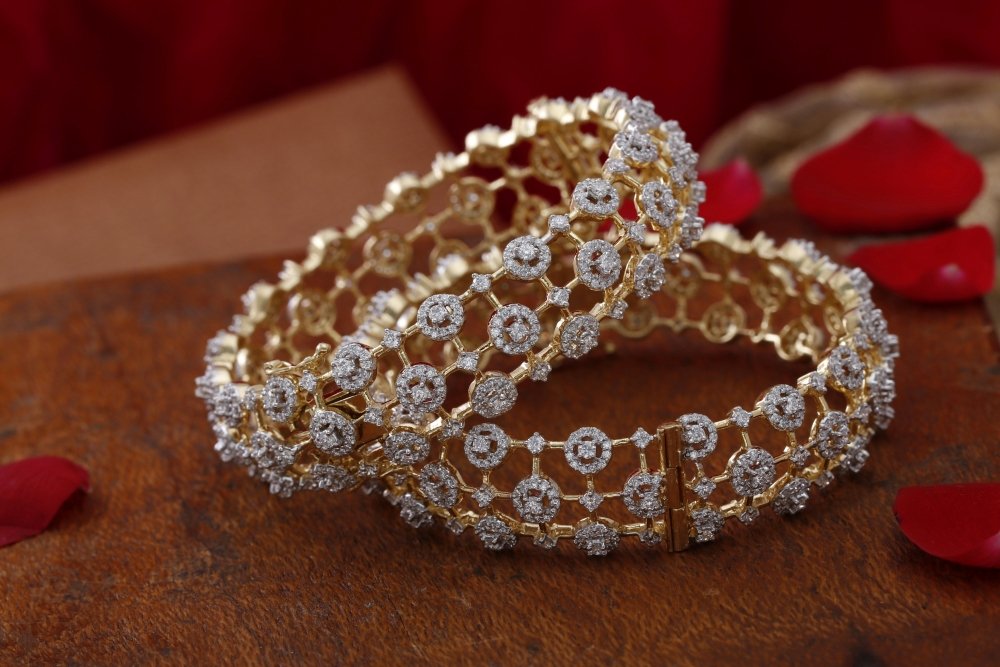
When evaluating a diamond bracelet, look beyond the carat weight. Turn the piece over and inspect the clasp. A sturdy box clasp paired with a tight, snapping figure-eight safety catch is often viewed as a sign of thoughtful craftsmanship.
It demonstrates that the designer has considered the longevity of the piece alongside its visual appeal. By paying attention to this small but important feature, you may reduce the likelihood of accidental loss and help keep your bracelet securely in place.