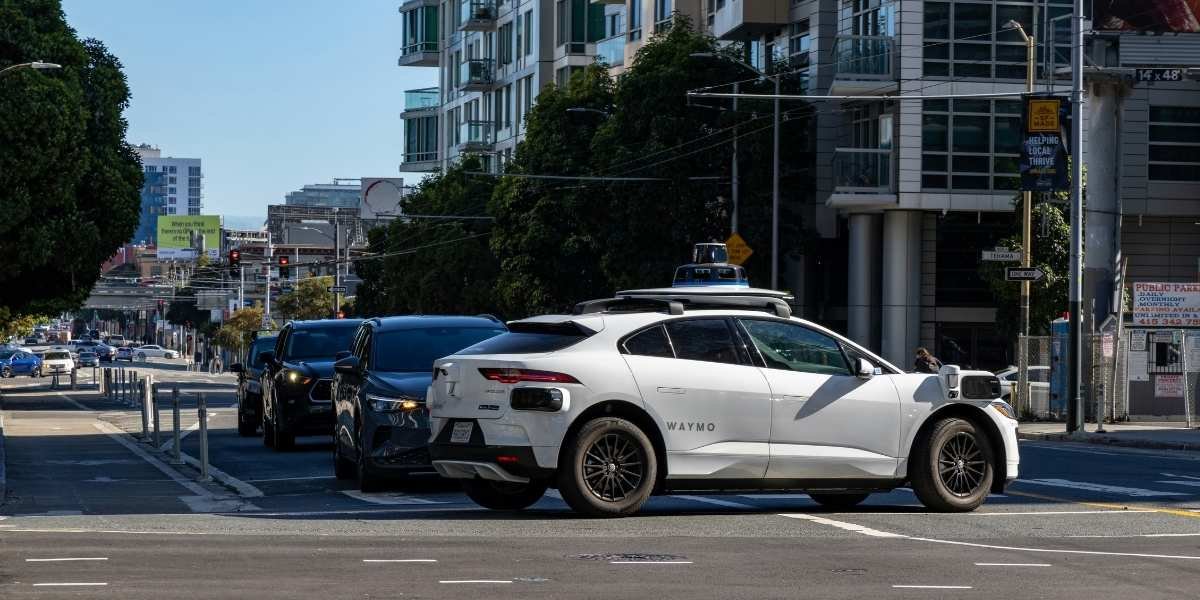
Waymo temporarily paused service in Texas as severe storms brought flood concerns across parts of the state, placing fresh attention on how driverless vehicles respond when road conditions shift quickly. The pause affected Texas areas where Waymo has been operating or preparing service, including Austin, Dallas, Houston, and San Antonio, according to public reporting.
The company said it was monitoring forecasts, public alerts, and live weather conditions before returning vehicles to service. The move came as the National Weather Service warned that heavy rainfall could create flash flooding risks across parts of Texas during the Memorial Day weekend period.
The decision placed a practical safety issue in front of riders, city officials, and the autonomous vehicle industry: flooded roads remain difficult for any vehicle, including one guided by sensors, software, mapping tools, and fleet safety protocols.
Standing water can hide lane markings, curbs, road edges, debris, and low spots. Water depth can also change faster than a vehicle can safely assess in some areas, especially during intense storms. For driverless vehicles, the challenge is not simply rain. The larger concern is whether the system can identify flood risk early enough to stop, reroute, or avoid a hazard.
San Antonio Incident Draws Federal Attention
The Texas pause followed earlier scrutiny tied to an April 20 incident in San Antonio, where an unoccupied Waymo vehicle encountered flood water on a roadway. Federal recall documents said the vehicle detected possible untraversable standing water and continued at a reduced speed on a road with a 40 mph speed limit.
The National Highway Traffic Safety Administration later posted a recall notice involving 3,791 vehicles equipped with Waymo’s fifth and sixth generation Automated Driving Systems. The agency said the software could allow a vehicle to slow and then drive into standing water on higher speed roads.
The listed safety risk was direct: entering a flooded roadway could lead to loss of vehicle control and increase the risk of a crash or injury. Public documents said Waymo applied operating restrictions in areas and periods where flooded higher speed roads presented an elevated concern.
No injuries were publicly reported in connection with the San Antonio event. Still, the incident turned a local weather hazard into a broader safety review for a company expanding driverless ride hail service across multiple U.S. markets.
Flooded Roads Become a Key Test for Robotaxis
Waymo has been expanding its ride hail footprint through direct operations and partnerships. In Austin, riders can be matched with Waymo vehicles through Uber, following the companies’ launch in the city. Waymo has also announced plans tied to Dallas, Houston, San Antonio, and other markets.
Texas gives autonomous vehicle companies a valuable testing ground because of its large cities, heavy road traffic, and growing ride hail demand. It also brings weather challenges that can test automated driving systems in ways that routine dry road operations do not.
Heavy rain can reduce visibility and affect sensors. Flooded lanes can make maps less reliable because the road surface may no longer reflect normal driving conditions. Low water crossings, frontage roads, underpasses, and poorly drained streets can become hazardous quickly.
Human drivers are routinely warned not to enter flooded roads. The same safety principle applies to driverless fleets, but the execution depends on technology and operating rules. A vehicle must recognize a hazard, understand whether the route is safe, and take the right action without a person behind the wheel.
Waymo has said its vehicles are designed to operate in various weather conditions, including heavy rain. The Texas pause shows that the company still uses service limits when conditions pass certain risk thresholds. That distinction matters because driving through rain is not the same as entering standing water.
For an autonomous fleet, a temporary pause can be the safer option when weather data and public alerts point to possible flooding. It also gives the company time to keep vehicles away from areas where water may collect before field conditions become harder to manage.
Recall Process Adds Pressure During Expansion
The federal recall notice added a formal safety layer to the Texas weather pause. NHTSA said affected software may allow vehicles to enter standing water on higher speed roads after slowing down. The remedy was listed as under development, with interim limits already applied.
Reuters also reported that Waymo temporarily suspended freeway rides in several U.S. cities while working on software updates related to challenging road conditions, including construction zones and flooded roads. That reporting placed the Texas service pause within a wider set of operational adjustments.
Companies in the sector are trying to show that driverless vehicles can operate safely across different cities, traffic patterns, and weather conditions. Weather disruptions are part of that test.
A driverless system must make driving decisions at the vehicle level, while the company also makes fleet level choices about where service should operate. During storms, those two layers must work together. The vehicle may detect a hazard directly, while the broader system may restrict service areas before vehicles reach dangerous roads.