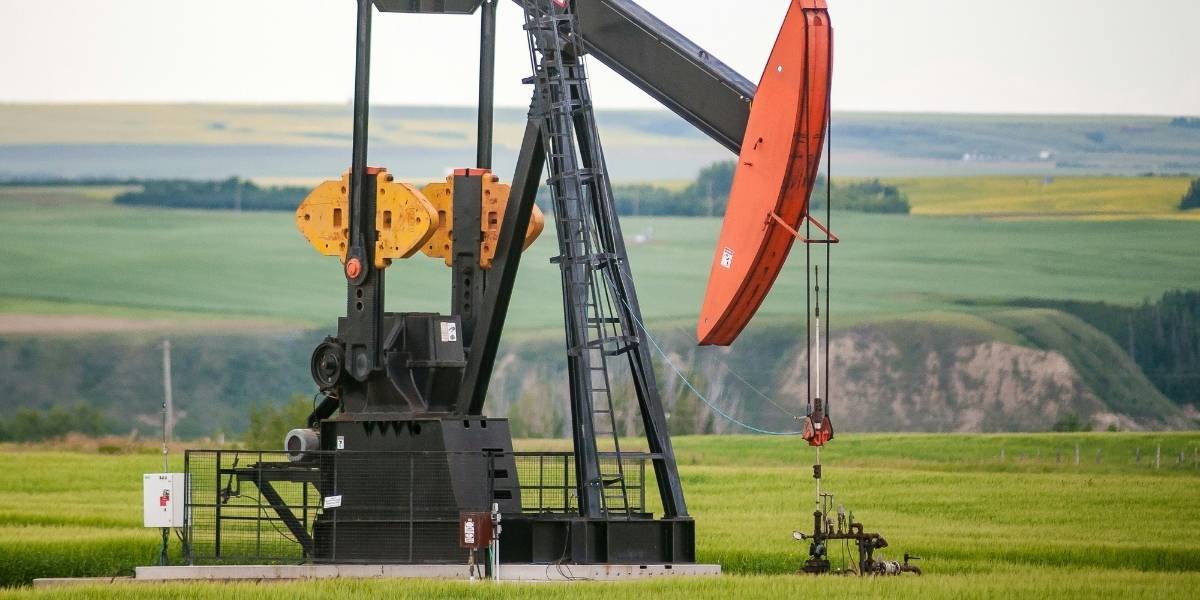
A recent geological survey released by the U.S. Geological Survey (USGS) on January 14, 2026, has confirmed that the Permian Basin in Texas contains an estimated 1.6 billion barrels of undiscovered, technically recoverable oil, along with 28.3 trillion cubic feet of natural gas in the Woodford and Barnett shale formations. These findings add to the Permian Basin’s already significant oil reserves and reinforce its continued central role in the U.S. energy landscape.
The survey emphasizes the massive untapped potential in Texas, underscoring how much still remains beneath the surface of this prolific region. As the U.S. faces growing energy demands, these newly confirmed reserves could play a critical role in ensuring the country’s energy supply in the years to come. The announcement has sparked renewed interest in the future of U.S. energy security, particularly given the scale of these resources.
Scale of the Discovery
The newly discovered 1.6 billion barrels of oil in the Permian Basin represents a major boost to the country’s energy reserves. Analysts have pointed out that this quantity of oil could theoretically supply the United States’ current consumption for about ten weeks. In addition to the oil reserves, the discovery of 28.3 trillion cubic feet of natural gas has the potential to meet national demand for natural gas for nearly ten months.
These figures illustrate the immense scale of this discovery, but it’s important to note that these resources are still not immediately available for extraction. While the reserves are considered technically recoverable with current drilling technology, the speed and feasibility of their extraction depend on numerous factors, including economic conditions, operational efficiency, and regulatory policies. The Permian Basin has long been a key driver of U.S. energy production, and this latest survey serves as a reminder of the region’s continued relevance in meeting national energy needs.
The findings also underline how far drilling technology has come. Shale formations that were once considered too difficult to tap into are now more accessible due to advancements in hydraulic fracturing (fracking) and horizontal drilling. These technological advancements have made it possible to access reserves that were previously out of reach, greatly expanding the scope of recoverable oil and natural gas.
Regional Significance of the Discovery
The Permian Basin stretches across western Texas and southeastern New Mexico, making it one of the most productive and important energy regions in the world. Texas, known for its historical ties to oil production, has seen this region evolve into the heart of U.S. oil production. The confirmation of an additional 1.6 billion barrels of oil further solidifies Texas’ role as a leader in the energy sector, reinforcing the state’s importance to the nation’s energy security.
This discovery also has major implications for local economies. Increased exploration and production could lead to job creation and economic growth in the region, particularly in areas directly involved in drilling, production, and logistics. At the same time, however, such developments often raise concerns about the local infrastructure’s ability to handle the increased demand for resources, services, and labor. Additionally, there are ongoing debates about the environmental impact of such large-scale drilling operations, with local communities sometimes concerned about issues such as water use, air quality, and land degradation.
For Texas, this discovery serves as another reminder of the state’s pivotal role in the broader energy conversation. As U.S. energy production continues to grow, Texas remains at the forefront of oil and gas development, and the Permian Basin is poised to continue its central role in meeting both national and global energy needs.
Industry Response
The response from the energy industry to this discovery has been immediate and widespread. Energy companies, particularly those involved in exploration and production within the Permian Basin, have noted the USGS findings with significant interest. While the discovery does not immediately translate into production, it confirms the vast potential of the Permian Basin and is likely to influence the industry’s long-term exploration and development strategies.
Industry experts caution that while these resources are technically recoverable, the decision to move forward with production is complex. Market conditions, oil prices, regulatory frameworks, and operational costs will all play a significant role in determining the pace at which these resources are developed. Additionally, many oil companies will need to evaluate their drilling plans based on these economic and operational factors, as the profitability of extraction can fluctuate with changes in market demand.
Despite these challenges, the confirmation of such vast reserves adds to the optimism surrounding the U.S. energy sector. For energy analysts and companies, this discovery presents an opportunity to develop new technologies and refine extraction methods to unlock more of the Permian Basin’s untapped potential.
Environmental Considerations
As with any major energy discovery, the environmental implications are significant. The Permian Basin has long been at the center of the debate over hydraulic fracturing (fracking), which has been both lauded for its role in expanding access to oil and gas and criticized for its potential environmental impact. The discovery of such large reserves raises the question of how best to balance resource extraction with environmental responsibility.
Concerns about water use, emissions, and land management are often cited by environmental groups when discussing the potential environmental consequences of large-scale drilling operations. While the USGS survey is a scientific assessment and not a development plan, any future efforts to extract these newly discovered reserves will require strict adherence to environmental regulations. The tension between expanding energy production and ensuring the sustainability of local ecosystems remains an important consideration as the industry moves forward.
Public interest groups continue to emphasize the need for transparency in energy development, particularly as large discoveries like this one are confirmed. Communities impacted by drilling activities often seek assurances that environmental oversight will be rigorously maintained. As the energy sector grows, the conversation about sustainability and responsible resource management will only become more pressing.
Broader Implications for U.S. Energy Security
This discovery of oil and natural gas in Texas has significant implications for the broader U.S. energy outlook. While the production of these reserves may not immediately affect national energy supply, the long-term potential of these resources contributes to the stability of the U.S. energy sector. The addition of 1.6 billion barrels of oil and 28.3 trillion cubic feet of natural gas ensures that the U.S. will be able to maintain its energy independence and continue to meet domestic demand for the foreseeable future.
Internationally, large reserves such as these can influence perceptions of the U.S.’s ability to maintain a steady supply of energy, which in turn impacts global markets. As the demand for energy continues to rise, the U.S. will rely more heavily on domestic resources to support both its own needs and international obligations.