How smarter road designs and cautious habits can make DFW communities more walkable, and what you can do to contribute.
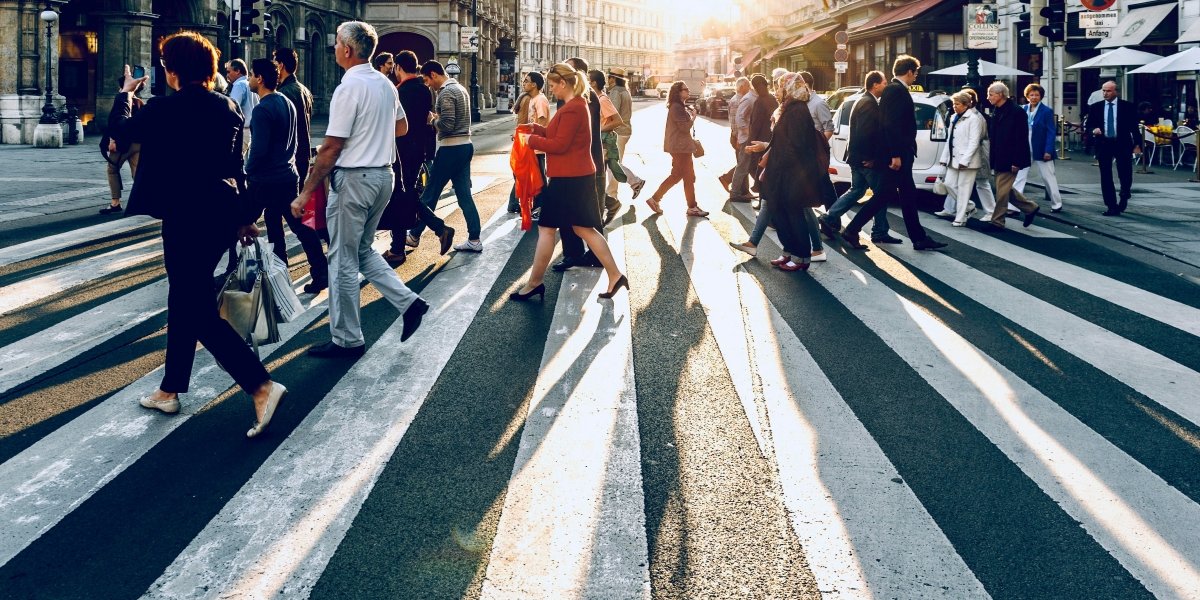
Across the Dallas-Fort Worth area, the relationship between pedestrians and vehicles is a daily struggle. The fast-moving traffic and huge intersections make walking a more significant undertaking here than in other walker-friendly cities. Whether you’re crossing a busy street downtown or walking through a residential neighborhood, the factors that keep people safe or put them at risk deserve real attention.
When someone does get hurt on the road, having the right support can make a world of difference. Wettermark Keith Personal Injury Lawyers works with people dealing with the aftermath of serious roadway incidents. But the bigger conversation that’s worth having is one about prevention, and how streets themselves can be redesigned to reduce risk for all parties.
Why Road Design Plays a Key Role in Pedestrian Safety
The Texas Department of Transportation’s pedestrian safety program has found that pedestrian-involved crashes remain a significant concern statewide. Some of the contributing factors include speeding vehicles, road design, insufficient road lighting, and the behavior of both drivers and pedestrians. No single fix can eliminate these risks, but by combining infrastructure improvements with smarter road habits, the odds can change immensely.
A sidewalk isn’t just there for convenience. It serves as a physical boundary between the pedestrians’ space and vehicles on the road. When sidewalks are absent, narrow, or discontinuous, people walking may find themselves sharing space with fast-moving vehicles. Similarly, crosswalk placement influences where pedestrians will attempt to cross a road, which may affect how prepared drivers are to expect them.
Lighting is another critical, yet often overlooked factor. A well-lit intersection gives both drivers and pedestrians more time to react. Poorly lit stretches of road, especially near bus stops or high-pedestrian-traffic areas, can make it difficult for a driver to see someone stepping off a curb.
Physical separation using medians, barriers, or raised curbs reduces the chance that a vehicle will drift into pedestrian areas. This type of infrastructure doesn’t guarantee safety, but it meaningfully changes the risks on a given road.
What the Fort Worth Stockyards Bollard Project Shows About Smarter Design
One concrete example of infrastructure influencing pedestrian safety is being developed in Fort Worth. A news outlet has reported that safety bollards are coming to the Fort Worth Stockyards, a destination with heavy vehicle and pedestrian traffic, especially on weekends and during events.
The bollards create a physical buffer between pedestrians and moving vehicles in an area where the two frequently intersect. Projects like this reflect a shift in how city planners think about designing high-traffic areas. Rather than relying solely on signage or painted lines, physical barriers create more safety nets for pedestrians.
What Keith Personal Injury Lawyers Suggest to Keep in Mind
If an accident occurs, the first thing you should do is call emergency services so the pedestrian receives medical attention. After that, preserving any information, including photos of the scene, contact details for witnesses, and records of road conditions, can be useful when dealing with insurance.
Safer streets depend on both well-designed infrastructure and the choices of everyone who uses them. North Texas communities are making progress, as seen in the Fort Worth Stockyards bollards, which demonstrate what is possible when safety is integrated into road design. The rest ultimately comes down to how drivers and pedestrians choose to share the road.
Frequently Asked Questions
What Should Drivers Do To Ensure The Safety Of Pedestrians?
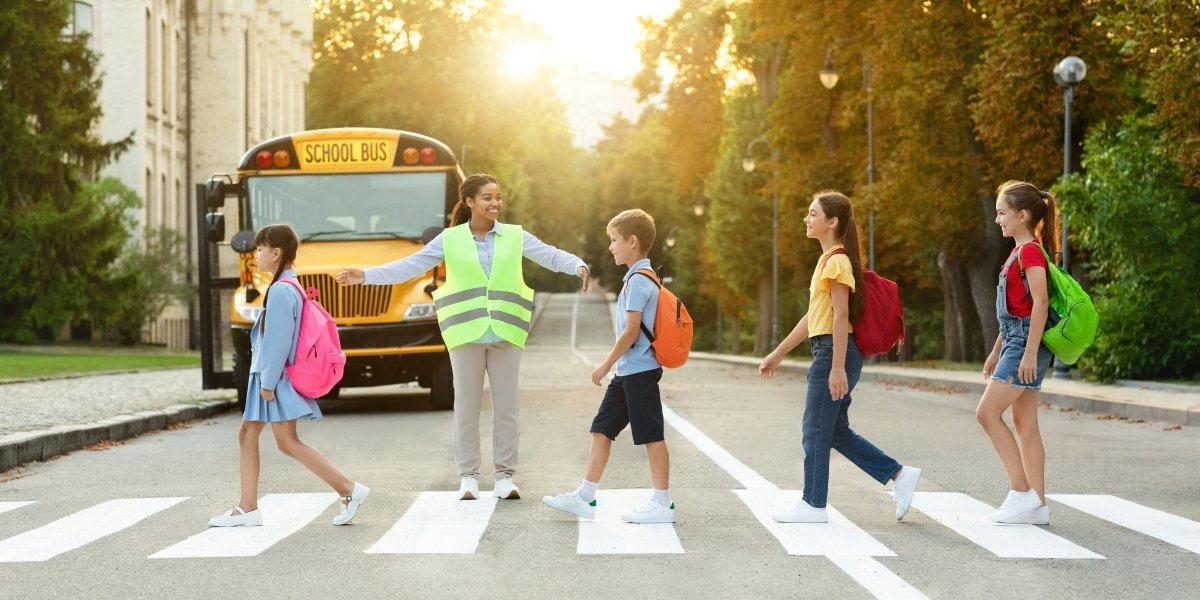
Before turning, drivers should scan the entire crosswalk, not just traffic. Yielding to pedestrians who are already crossing is required by Texas law. Keep speeds appropriate for the area, and slow down in areas with high foot traffic.
How Can Pedestrians Make Themselves Easier For Drivers To See?
Choose well-lit crosswalks, and when it’s dark, wear light-colored or reflective clothing to increase visibility. Making eye contact with drivers before entering a crosswalk provides additional confirmation that drivers have seen the pedestrian.
What Makes Some Roads Particularly Dangerous For Pedestrians?
Several factors can create difficult conditions, including high vehicle speeds, long crossing distances at wide intersections, inconsistent sidewalks, and limited lighting.
Disclaimer: This article is for general informational purposes only and does not constitute legal advice. Traffic laws and individual circumstances may vary. Anyone involved in a pedestrian or roadway accident should consult a qualified attorney regarding their specific situation.