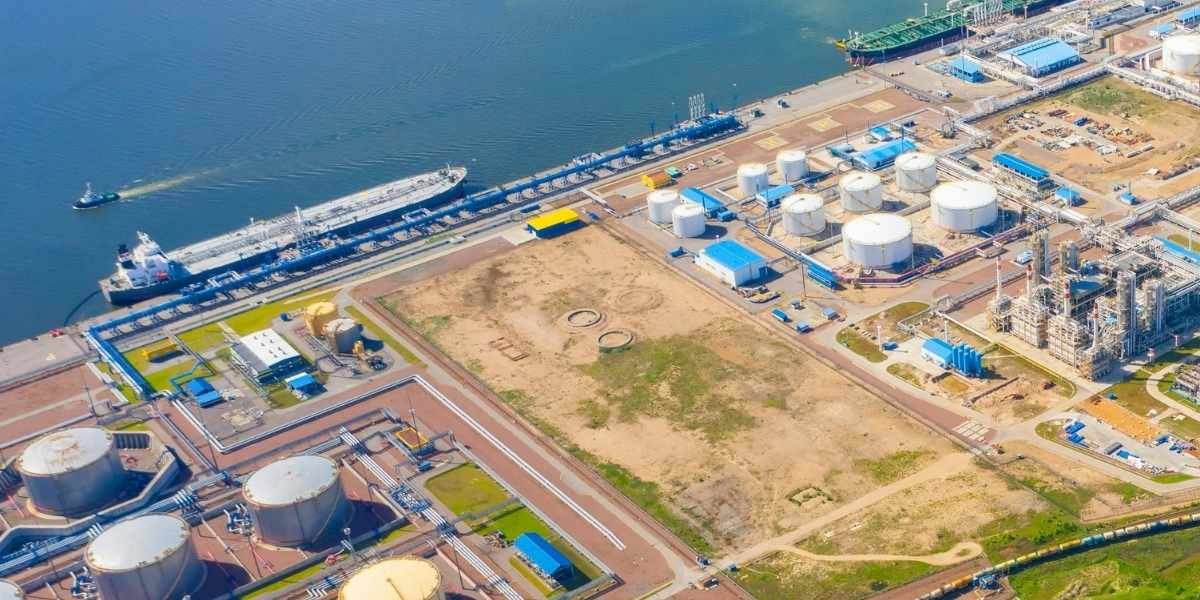
South Texas LNG projects continued advancing along the Gulf Coast in May as new construction activity and infrastructure development moved forward near Brownsville and Corpus Christi while coastal residents reviewed how the industrial growth could affect nearby communities. Regional officials and port authorities have described the expansion as part of broader economic activity tied to energy exports, shipping operations, and long-term infrastructure investment across South Texas.
Several export facilities remain under construction or in various stages of development near the Texas coastline. The projects are designed to process natural gas into liquefied form for overseas shipment through marine terminals connected to Gulf shipping routes.
Texas has become a major center for liquefied natural gas exports because of its extensive pipeline network, large natural gas reserves, and access to deep-water ports. Energy infrastructure development across the Gulf Coast has increased steadily during the past several years as global demand for LNG shipments continued growing.
Local leaders in South Texas have said the projects may support construction employment, maritime operations, and additional commercial activity connected to port expansion and industrial development. Training programs related to skilled labor and technical operations have also expanded at several regional educational institutions.
At the same time, some coastal residents and community organizations have continued monitoring how large-scale industrial projects could influence surrounding neighborhoods, waterways, and long-established local industries tied to tourism and fishing.
South Texas LNG Projects Expand Near Major Port Areas
Industrial construction activity has increased near several Gulf Coast shipping corridors where LNG facilities, storage infrastructure, and marine terminals are being developed. The projects are concentrated near strategic port locations that provide direct access to international shipping lanes.
The Port of Brownsville and the Port of Corpus Christi have remained central to much of the recent activity. Both ports have experienced continued growth tied to energy exports, cargo handling, and industrial shipping operations during recent years.
Infrastructure connected to LNG development typically includes processing units, storage systems, pipelines, shipping docks, and support facilities designed for large-scale export operations. Construction timelines for these projects often span several years because of engineering requirements and federal permitting processes.
Regional economic groups have highlighted the role of Gulf Coast ports in supporting manufacturing, shipping, transportation, and logistics activity connected to energy exports. Port authorities across Texas have continued investing in channel improvements, cargo infrastructure, and transportation access to support industrial growth.
The expansion of LNG infrastructure has also contributed to increased commercial activity in nearby areas. Housing construction, retail development, and transportation improvements have been reported in some communities experiencing industrial expansion tied to port operations.
South Texas officials have described the projects as part of broader economic growth occurring across the Gulf Coast region, where shipping access and energy production continue attracting infrastructure investment.
Coastal Communities Review Local Environmental Concerns
Some residents living near proposed or active LNG facilities have continued raising questions about how industrial activity may affect nearby coastal areas. Community discussions have focused on shipping traffic, construction activity, air quality monitoring, and changes to surrounding waterways.
Fishing groups and coastal business owners in parts of South Texas have also followed the development process closely because of the region’s long-standing connection to commercial fishing, recreational boating, and tourism activity.
The Gulf Coast contains wetlands, marine habitats, and protected environmental areas that are subject to state and federal review during major industrial permitting processes. Environmental assessments connected to LNG facilities have remained part of ongoing regulatory oversight tied to coastal development.
Public hearings and community meetings related to LNG projects have drawn participation from residents, business owners, environmental organizations, and local officials. Discussions have generally focused on balancing economic development with long-term planning for coastal communities.
Federal and state agencies continue reviewing permit requirements connected to air emissions, dredging activity, shipping operations, and infrastructure construction near coastal waterways. Developers involved in the projects have stated that facilities are being built under current safety and environmental regulations required for industrial operations.
Some residents have requested additional environmental monitoring and emergency response planning as development activity expands near populated areas. Local organizations have also encouraged continued public involvement during future planning and review processes connected to industrial construction.
Texas Gulf Coast Remains Central to LNG Export Growth
Texas continues serving as one of the country’s largest energy export regions because of its natural gas production capacity and extensive coastal infrastructure. LNG facilities along the Gulf Coast provide access to overseas markets through marine shipping networks connected to Europe, Asia, and Latin America.
The expansion of export capacity has increased industrial activity across several Texas coastal regions where ports handle crude oil, refined products, petrochemicals, and liquefied natural gas shipments. Shipping traffic connected to energy exports has remained an important part of Gulf Coast commerce.
Industry operations tied to LNG exports also support transportation, equipment manufacturing, engineering, and construction services connected to large-scale infrastructure development. Energy-related projects have contributed to continued demand for skilled labor across parts of South Texas.
Texas ports have invested in dredging projects and navigation improvements to support larger cargo vessels and increased shipping capacity. Transportation infrastructure linked to ports, including roads and rail systems, has also seen upgrades connected to industrial growth.
Natural gas exports from the Gulf Coast increased after global markets sought additional supply sources during recent years. LNG terminals in Texas have become part of broader international energy supply networks serving multiple overseas buyers.
State economic officials have continued promoting infrastructure investment and industrial development across Texas coastal regions. Gulf Coast ports remain among the busiest trade and shipping hubs in North America because of their role in energy transportation and international commerce.
Residents Continue Discussions on Long-Term Coastal Development
The pace of industrial expansion across parts of South Texas has contributed to broader discussions about future development along the Gulf Coast. Coastal communities are continuing to evaluate how population growth, shipping activity, and infrastructure construction may shape local economies in the coming years.
Some residents have supported the projects because of potential employment opportunities and commercial growth connected to industrial investment. Others have focused on maintaining coastal conservation efforts and preserving traditional industries tied to fishing, tourism, and recreation.
Local governments and planning agencies continue reviewing transportation needs, public services, and infrastructure capacity in areas experiencing increased industrial activity. Community leaders have also discussed housing availability and workforce development tied to long-term regional growth.
Economic activity linked to ports and shipping operations has historically played a significant role across the Texas Gulf Coast. The expansion of LNG infrastructure represents another phase of industrial development occurring alongside existing maritime and energy operations throughout the region.
Construction and permitting activity connected to Gulf Coast export facilities is expected to continue as infrastructure projects move through development schedules and regulatory review processes. Regional planning discussions involving ports, transportation systems, and coastal communities are also likely to remain ongoing as South Texas continues experiencing industrial growth tied to international trade and energy exports.