Tesla and SpaceX have selected Grimes County, Texas, for Terafab, a planned semiconductor complex with more than $16.8 billion committed to its first phase. The project would place chip fabrication, memory production, packaging, and testing on one campus. This report examines its scale, intended uses, public support, and unresolved execution questions.
Key Takeaways
- Terafab’s first phase carries a capital commitment of more than $16.8 billion.
- The planned campus could cover 100 million square feet and create 3,000 jobs.
- The facility is intended to produce AI chips for Tesla vehicles, robots, and SpaceX computing systems.
- Texas approved a $30 million performance-based grant.
Tesla and SpaceX plan to build the vertically integrated Terafab semiconductor facility in Grimes County, near the College Station region.
The Texas Governor’s Office announced the location on August 6, 2026. It said the first phase would exceed $16.8 billion and support 3,000 jobs for engineers, technicians, plant operators, and other workers.
Terafab is designed to bring several stages of semiconductor production into one 100-million-square-foot complex, reducing the need to move components among separate facilities and suppliers.
The announcement gives both companies a defined site for a project previously discussed through broader estimates, while shifting attention toward construction, local infrastructure, and the difficulty of producing advanced semiconductors at commercial scale.
Tesla, SpaceX Put Terafab in Grimes County
The Grimes County selection adds another major site to the companies’ Texas footprint. Tesla operates its headquarters and vehicle factory near Austin, while SpaceX maintains operations at Starbase, Bastrop, and McGregor.
Terafab arrives as Texas increases support for domestic chip production. State programs have directed funding toward manufacturing, research, and workforce preparation, placing the project within a broader period of Texas semiconductor expansion.
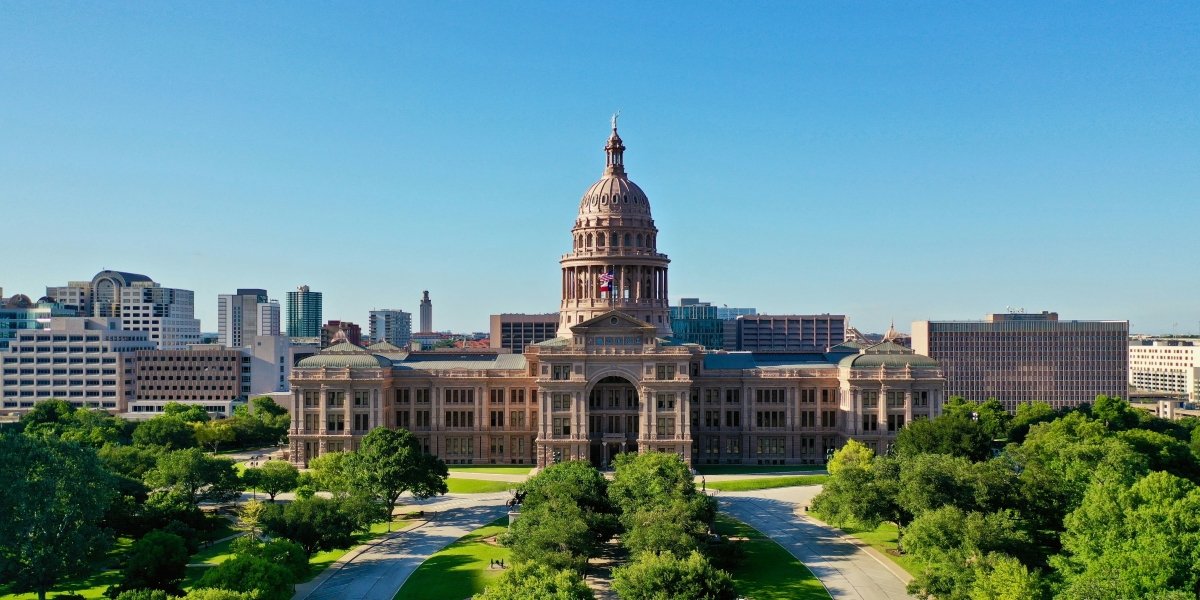
The Texas Enterprise Fund approved a $30 million performance-based grant for SpaceX. State officials also said the facility qualified under the Texas Jobs, Energy, Technology, and Innovation program, which provides tax incentives for eligible large projects.
Local school districts reviewed agreements connected to the development and emphasized transparency, responsible administration, and potential workforce opportunities.
An All-in-One Chip Strategy Defines the Project
Terafab is intended to combine logic-chip fabrication, memory production, advanced packaging, and testing. SpaceX founder and chief executive Elon Musk described the model as “combining logic, memory, and advanced packaging all under one roof.”
That structure would differ from the fragmented supply chain often used in advanced semiconductor production. Chip design, wafer fabrication, memory, packaging, and testing commonly involve separate companies or locations.
Tesla expects future chips to support vehicle automation, Cybercab development, and Optimus robotics. SpaceX has connected the project to advanced computing systems for terrestrial and space-based applications. Several proposed uses remain under development, making future demand estimates subject to change.
The companies have said their long-term computing requirements could exceed one terawatt. That figure is a company forecast rather than current output, and no public schedule shows when Terafab might approach that level.
Reuters reported that Intel is participating in the project. The companies have not released a detailed breakdown of Intel’s responsibilities or the technologies planned for each production phase.
Texas Support Meets Infrastructure and Community Scrutiny
A complex of Terafab’s proposed scale would require substantial power, water, transportation, construction, and workforce capacity. Those demands are increasingly relevant as Texas computing infrastructure expands to support artificial intelligence and high-performance systems.
The site is near Gibbons Creek Reservoir. Publicly released project documents indicate that the facility plans to draw water from the reservoir rather than local groundwater, although detailed consumption and treatment figures have not been released.
Community questions have focused on water, roads, power demand, property impacts, pollution controls, and public oversight. Business Insider reported that nearly 900 residents signed a petition seeking stronger safeguards for major projects receiving public support.
The petition did not stop the agreements, but it highlighted local tension surrounding a development that could reshape a rural area. Officials have emphasized employment and tax-base opportunities, while residents have sought clearer infrastructure and environmental commitments.
Production Timelines and Costs Remain Open
The $16.8 billion figure applies to the first phase. Earlier SpaceX filings outlined a $55 billion initial estimate and as much as $119 billion across later phases, suggesting the project may proceed through several construction and equipment stages.
The companies have not published a firm opening date, construction calendar, annual production target, or detailed plan for reaching commercial chip yields. Advanced fabrication plants can require years of equipment installation, process testing, and qualification before stable output.
Tesla has started work on a smaller research fabrication site near Gigafactory Texas. That facility is expected to test manufacturing concepts and chip designs before the larger Grimes County operation reaches production.
The Tesla and SpaceX Terafab plan combines a confirmed location and first-phase budget with significant operational questions. Its impact will depend on construction, specialized equipment, workforce recruitment, resource planning, and consistent chip production.
Frequently Asked Questions
What Is Terafab?
Terafab is a planned semiconductor complex in Grimes County, Texas. Tesla and SpaceX intend to combine chip fabrication, memory production, packaging, and testing within one campus.
How Much Will the First Phase Cost?
Texas officials said the first phase represents more than $16.8 billion in planned capital spending. Earlier filings described larger potential costs if additional phases proceed.
How Many Jobs Could the Facility Create?
The Texas Governor’s Office said the project is expected to create 3,000 jobs. Announced roles include engineers, technicians, and plant operators.
What Will Tesla and SpaceX Use the Chips For?
The Tesla and SpaceX Terafab project is intended to support vehicle automation, robotics, and advanced computing systems. Some proposed applications remain under development.
When Will Terafab Begin Production?
No firm production date has been announced. Construction sequencing, equipment installation, process qualification, and output targets remain unresolved.