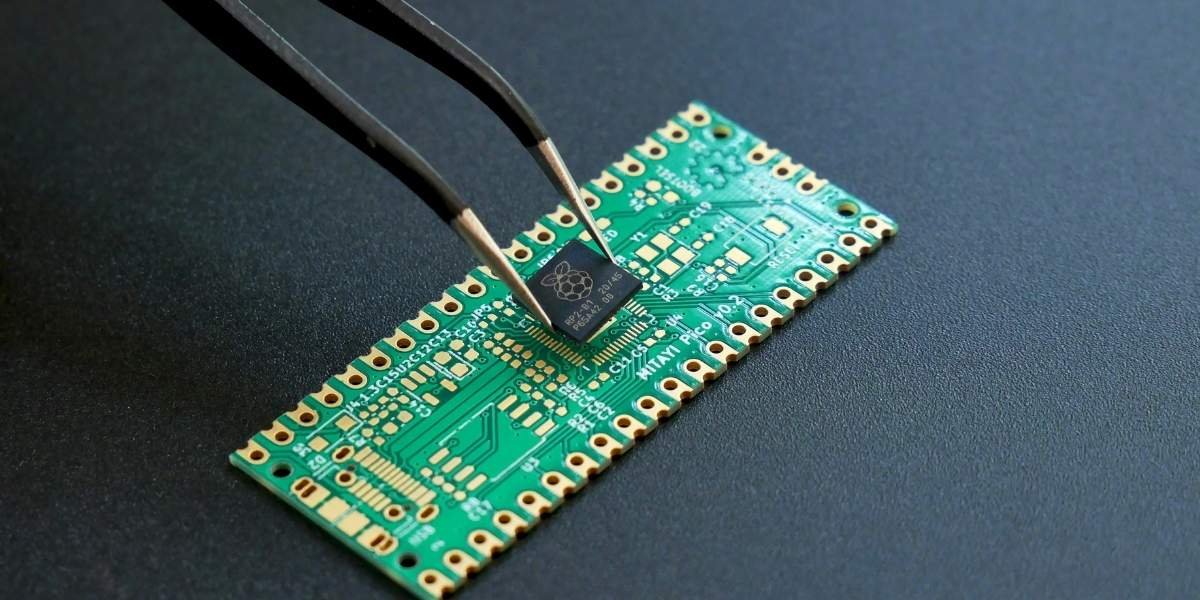
Texas is expanding its semiconductor industry through state grants and incentives that have supported new manufacturing facilities, research centers, and workforce development. The investment has attracted billions in private capital while reinforcing Texas’ position as a leading U.S. hub for semiconductor production.
Key Takeaways
- Texas has invested more than $1.5 billion in semiconductor incentives since 2023.
- The Texas Semiconductor Innovation Fund has awarded grants for manufacturing expansion projects.
- Semiconductor companies continue announcing new or expanded facilities across Texas.
- Research centers at Texas A&M University and The University of Texas at Austin support workforce development.
- State officials expect the investments to strengthen semiconductor manufacturing and job creation.
The Texas semiconductor industry continues to expand as state grants and public incentives support new manufacturing projects, research initiatives, and workforce development across the state. More than $1.5 billion has been committed through state programs since 2023, helping attract billions of dollars in private investment while encouraging companies to increase semiconductor production in Texas.
State officials have directed funding through the Texas CHIPS Act and the Texas Semiconductor Innovation Fund to support manufacturing facilities, research institutions, and projects designed to strengthen domestic semiconductor production. The investments coincide with announcements of new fabrication facilities and manufacturing expansions by several major technology companies.
Texas Incentives Support Semiconductor Manufacturing Expansion
Texas lawmakers approved more than $1.5 billion in semiconductor-related funding through the Texas CHIPS Act, combining support for manufacturing incentives, research infrastructure, and workforce development.
A significant share of that investment established the Texas Semiconductor Innovation Fund, which provides grants to companies building new semiconductor manufacturing facilities or expanding existing operations in the state.
The Legislature later increased funding for the program through an additional appropriation, bringing the fund to nearly $950 million.
According to the Governor’s Office, more than $500 million in grants have already been awarded across dozens of projects. Those projects represent billions of dollars in planned capital investment and are expected to create thousands of direct jobs throughout Texas. The funding complements the state’s broader efforts to attract advanced industry through business investment and economic development.
Gov. Greg Abbott has stated that expanding semiconductor manufacturing remains a priority because of its importance to the state’s economy and its role in strengthening domestic chip production.
Texas remains the nation’s leading exporter of semiconductor chips, providing an established manufacturing base for continued investment.
State Funding Advances Research and Workforce Development
Texas A&M Research Center
State funding also supports research and workforce development intended to prepare technicians, engineers, and researchers for semiconductor manufacturing careers.
Texas A&M University is developing a semiconductor research and development facility supported through funding approved under the Texas CHIPS Act. The center is designed to conduct research while helping train workers for positions throughout the semiconductor industry.
The research facility focuses on advancing semiconductor technologies and preparing products for commercial manufacturing rather than producing chips for retail markets.
Industry representatives have stated that collaboration between universities and semiconductor manufacturers helps align workforce training with employer needs.
University of Texas Research Investment
The University of Texas at Austin also received state funding to establish its own semiconductor research center.
The university’s investment supports research activities, equipment, and workforce education that contribute to semiconductor manufacturing in Texas.
Together, the university facilities expand the state’s research capacity while supporting companies seeking skilled workers for manufacturing and development operations. The investments also complement the state’s push toward advanced manufacturing innovation.
New Chip Facilities Increase Private Investment Across Texas
Texas Semiconductor Innovation Fund Awards
The Texas Semiconductor Innovation Fund has supported projects involving semiconductor manufacturing, design, and facility expansion across multiple regions of Texas.
Grant awards are intended to encourage companies to invest in new manufacturing capacity while strengthening the state’s semiconductor supply chain.
Many funded projects are located in Central Texas, although investments extend to other regions as semiconductor companies continue expanding operations.
State officials report that grant-supported projects represent billions of dollars in private capital investment, demonstrating continued industry participation alongside public funding.
Recently Announced Manufacturing Projects
Several major semiconductor companies have announced new or expanded facilities in Texas.
Texas Instruments continues expanding its semiconductor manufacturing footprint, including projects in Sherman and Richardson.
Nvidia has announced plans involving semiconductor-related facilities in North Texas.
Additional manufacturing activity has also been announced by companies including Wistron and projects proposed by Elon Musk involving semiconductor production.
Texas currently has dozens of semiconductor facilities supporting fabrication, materials manufacturing, research, and development activities. These operations employ tens of thousands of workers across the state.
The combination of public incentives and private investment has contributed to continued construction and expansion activity throughout Texas’ semiconductor sector.
Federal and State Programs Strengthen Domestic Production
Federal incentives have also contributed to semiconductor investment in Texas.
The federal CHIPS and Science Act allocated funding intended to increase semiconductor manufacturing within the United States through grants, research support, and incentives for companies expanding domestic production.
Texas entered this funding period with an established semiconductor manufacturing presence, allowing the state to compete for additional projects supported by both federal and state programs.
State leaders have stated that combining public incentives with existing manufacturing infrastructure has helped attract additional semiconductor investment.
Domestic semiconductor production has become a strategic priority because microchips are used across consumer electronics, industrial equipment, communications systems, transportation, medical technology, and defense applications.
Expanding production capacity within the United States is intended to reduce dependence on overseas manufacturing while strengthening supply chain resilience.
Research institutions funded by Texas are expected to complement manufacturing growth by preparing workers and supporting technological development. The industry’s expansion also aligns with continued investment in Texas AI infrastructure projects.
AI Demand Continues to Support Semiconductor Growth
Artificial intelligence infrastructure continues contributing to semiconductor demand across Texas.
Modern AI systems require advanced semiconductor chips for computing workloads, creating additional demand for manufacturing capacity and related facilities.
Texas also hosts one of the country’s largest concentrations of data centers, which rely on semiconductors to power servers and computing equipment.
The continued construction of data centers has increased demand for semiconductor production alongside manufacturing used in consumer electronics, industrial systems, and communications equipment. State officials are also evaluating data center infrastructure costs as additional facilities are proposed across Texas.
Industry leaders have stated that demand for AI computing remains an important factor supporting continued semiconductor investment.
Recent manufacturing announcements involving semiconductor companies reflect ongoing efforts to increase production capacity in response to those market requirements.
State investments in manufacturing incentives, research facilities, and workforce development are intended to position Texas to support future semiconductor production while attracting additional private-sector investment.
Frequently Asked Questions
What is the Texas Semiconductor Innovation Fund?
The Texas Semiconductor Innovation Fund is a state program that provides grants to companies building or expanding semiconductor manufacturing and design projects in Texas.
How much has Texas invested in semiconductor incentives?
Texas has committed more than $1.5 billion toward semiconductor incentives, research, workforce development, and manufacturing support through programs approved since 2023.
Which companies are expanding semiconductor manufacturing in Texas?
Companies with announced semiconductor projects or expansions in Texas include Texas Instruments, Nvidia, Wistron, and projects proposed by Elon Musk.
How does the Texas CHIPS Act support semiconductor development?
The Texas CHIPS Act funds research centers, workforce development initiatives, and financial incentives that encourage semiconductor manufacturing and technology investment throughout the state.
Why is semiconductor manufacturing important to Texas?
Semiconductor manufacturing supports jobs, private investment, research, exports, and domestic production of microchips used in electronics, data centers, communications equipment, transportation, and defense technologies.