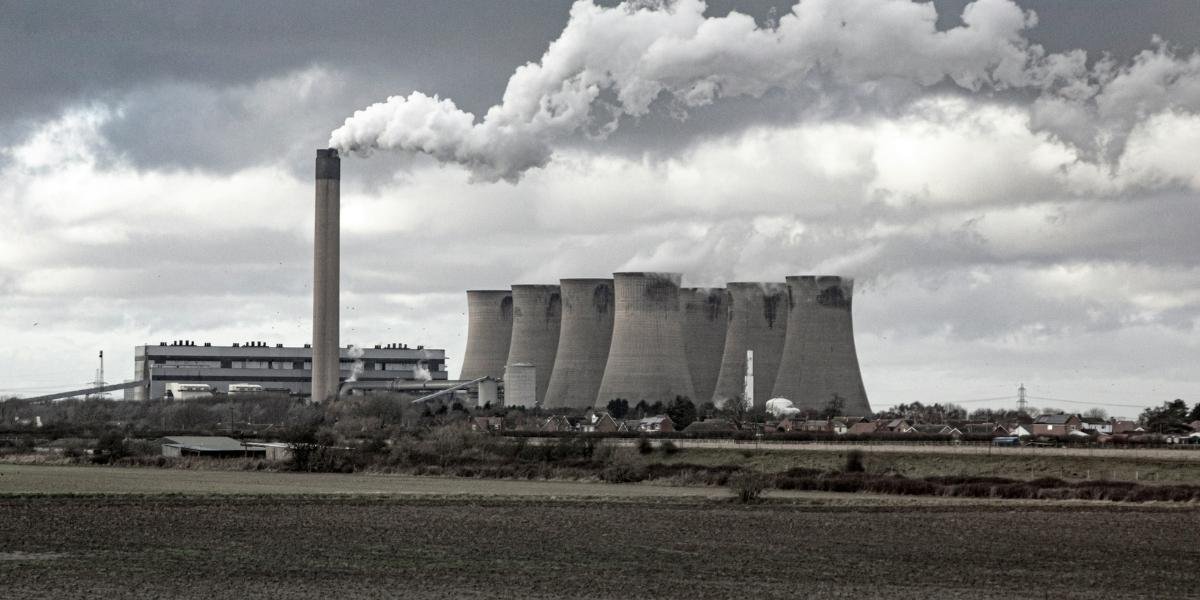
A proposed advanced nuclear facility at Dow’s Seadrift manufacturing site in Calhoun County, Texas, has received a construction permit from the U.S. Nuclear Regulatory Commission. Developed by Dow and X-energy, the four-reactor project would supply electricity and high-temperature steam to industrial operations.
Key Takeaways
- The U.S. Nuclear Regulatory Commission approved the construction permit application for the proposed Long Mott Generating Station in Seadrift, Texas.
- The project involves four Xe-100 advanced small modular reactors developed by X-energy in collaboration with Dow.
- The proposed facility has a combined electrical generating capacity of 320 megawatts.
- The reactors are designed to provide electricity and high-temperature steam to Dow’s Seadrift manufacturing operations.
- The construction permit does not represent a final investment decision or authorize the facility to begin operating.
NRC Approves Construction Permit for Seadrift Nuclear Facility
The U.S. Nuclear Regulatory Commission has issued a construction permit for the proposed Long Mott Generating Station at Dow’s Seadrift manufacturing complex in Calhoun County, Texas. The approval allows the project to advance through the next stages of development for a facility designed around four advanced nuclear reactors developed by X-energy.
The proposed installation would use X-energy’s Xe-100 high-temperature gas-cooled reactor technology. The four units are planned to provide a combined electrical generating capacity of 320 megawatts, with additional thermal energy intended for industrial applications at the Seadrift site.
The federal decision addresses the project’s construction permit application and establishes a regulatory foundation for further development. It does not mean that the facility is complete, operating or ready to supply electricity.
The Long Mott project is planned within Dow’s existing manufacturing complex, where industrial operations require both electricity and heat. Its proposed design connects nuclear generation directly with the energy requirements of a large chemical manufacturing facility.
The NRC approval also carries significance for the reactor technology involved. The project is associated with a high-temperature gas-cooled reactor design, a category of nuclear technology intended to provide electricity and industrial process heat.
The construction permit follows federal regulatory review of the proposed facility and its reactor design. The approval allows the project to proceed within the boundaries established by the NRC’s licensing process.
For Texas, the project places a proposed advanced nuclear installation within the state’s industrial Gulf Coast region. Its development involves a manufacturing operator, a nuclear technology developer and the federal agency responsible for regulating commercial nuclear facilities.
Dow and X-energy Advance the Four-Reactor Project
Dow and X-energy are collaborating on the Long Mott Generating Station, combining Dow’s industrial manufacturing requirements with X-energy’s advanced reactor technology.
Dow operates the Seadrift manufacturing complex, which is the proposed location for the nuclear facility. The manufacturing site provides the industrial setting for a project designed to supply electricity and high-temperature steam directly to production operations.
X-energy is responsible for the Xe-100 reactor technology. The company developed the high-temperature gas-cooled design selected for the proposed installation, with four reactor units included in the Long Mott project.
The partnership connects nuclear energy development with the requirements of industrial manufacturing. Rather than serving only as a conventional electricity-generation facility, the proposed installation is designed to supply two forms of energy used in industrial operations: electrical power and process heat.
This arrangement is central to the project’s design. Manufacturing facilities can require substantial quantities of both electricity and thermal energy, making the proposed supply arrangement relevant to the operation of Dow’s Seadrift complex.
The project also involves different responsibilities across the development process. Dow provides the industrial site and represents the manufacturing partner, while X-energy supplies the reactor technology. Federal nuclear regulators oversee the licensing requirements governing the proposed installation.
X-energy previously received additional federal support for its Seadrift reactor development through an expanded Department of Energy agreement, as detailed in an earlier Seadrift nuclear funding agreement.
The construction permit allows the companies to advance the project through subsequent development activities, subject to applicable regulatory requirements and company decisions.
The proposed facility is not an independent power station planned at an unrelated location. Its stated purpose is closely connected to the energy needs of the existing Seadrift manufacturing operation.
Xe-100 Reactors Designed to Supply Industrial Electricity and Steam
The Long Mott Generating Station is planned around four Xe-100 reactors, each forming part of a proposed system with a combined electrical generating capacity of 320 megawatts.
The Xe-100 is a high-temperature gas-cooled reactor developed by X-energy. Its design uses helium as a coolant and TRISO fuel, which consists of uranium fuel particles surrounded by multiple protective layers.
The reactor technology is designed to operate at temperatures that can support both electricity generation and industrial heat applications. This capability is relevant to the Long Mott project because Dow’s manufacturing operations require more than electricity alone.
The proposed reactors would provide electrical power and high-temperature steam to the Seadrift complex. Steam is used in industrial processes, including applications involving heating and chemical production.
The combined capacity of 320 megawatts refers to the proposed facility’s electrical generating output. The additional thermal energy would serve a separate industrial purpose within the manufacturing complex.
The four-unit arrangement also distinguishes the project from a conventional single-reactor installation. Each reactor would contribute to the proposed generating system, with the facility designed around the energy requirements of the industrial site.
The project therefore combines reactor technology with an industrial energy supply model. Its planned configuration is intended to connect nuclear generation with the electricity and steam requirements of chemical manufacturing.
The use of high-temperature gas-cooled technology also places the project within a distinct category of advanced nuclear development. The reactor design differs from conventional commercial nuclear reactors and is intended to support applications requiring high-temperature heat.
For the Seadrift facility, these characteristics define the proposed role of the Xe-100 units: supplying industrial energy through a combination of electricity and process steam.
Federal Approval Marks Historic Milestone for Advanced Nuclear Technology
The NRC’s construction permit represents a regulatory milestone for high-temperature gas-cooled nuclear technology in the United States.
The Long Mott project is associated with the first construction permit issued for a high-temperature gas-cooled reactor in nearly 60 years. It is also the first U.S. construction permit for a pebble-bed high-temperature gas-cooled reactor design.
Another distinction is the proposed industrial location. The project is intended to operate within a manufacturing complex rather than as a conventional standalone electricity-generation facility.
These characteristics make the Seadrift installation relevant to the federal licensing of advanced nuclear technology. The NRC’s decision addresses a reactor design intended to provide both electricity and industrial heat.
Texas has also been examining other potential nuclear development opportunities on state property through small modular reactor proposals on Texas land. That initiative involves a separate process led by the Texas General Land Office and does not constitute approval of the Seadrift facility.
The federal approval establishes a reference point for companies developing advanced nuclear systems for industrial applications. The Long Mott project involves a specific reactor design, a defined manufacturing location and a proposed four-unit configuration.
The federal licensing process is particularly important because nuclear facilities must meet regulatory requirements before construction and operation can proceed. The construction permit addresses the authorization required for the proposed project to move forward under the applicable licensing framework.
The permit does not eliminate the need for additional project development and regulatory compliance. The companies must continue addressing the requirements associated with engineering, construction and eventual operation.
The Seadrift approval therefore represents a specific federal decision involving Dow, X-energy and the proposed Xe-100 installation. It does not constitute blanket approval for every future advanced nuclear project or reactor design.
Additional Regulatory and Investment Decisions Remain Ahead
Although the construction permit has been issued, the Long Mott Generating Station still faces additional development steps before it can become an operating facility.
The NRC’s authorization does not represent a final investment decision by Dow and X-energy. Corporate decisions and further engineering work remain part of the project’s development process.
The distinction is important because a construction permit and an operating authorization serve different purposes. Federal approval at the construction stage does not automatically allow a nuclear facility to begin generating commercial electricity.
The companies must continue advancing the project in accordance with regulatory requirements. Engineering and design activities will need to progress before the facility can move toward construction and eventual operation.
The project has also been associated with a preliminary investment decision expected in 2027. That decision is separate from the NRC’s construction permit and concerns the companies’ commitment to advancing the development.
The proposed four-reactor installation will require further work before the planned generating capacity can be delivered to Dow’s manufacturing operations.
The facility’s eventual operation will depend on the completion of the necessary development activities, applicable regulatory approvals and investment decisions.
For Calhoun County, the project remains a proposed industrial energy installation at Dow’s Seadrift complex. Its construction permit establishes the current federal regulatory status, while the remaining decisions will determine the project’s next stages.
Frequently Asked Questions
Where is the Long Mott Generating Station located?
The proposed facility is located at Dow’s manufacturing complex in Seadrift, Calhoun County, Texas. The site is part of the Texas Gulf Coast industrial region.
How many reactors are planned for the Seadrift nuclear facility?
The Long Mott Generating Station is planned to contain four Xe-100 advanced small modular reactors developed by X-energy.
What is the generating capacity of the proposed Xe-100 reactors?
The four-reactor facility is designed to have a combined electrical generating capacity of 320 megawatts. It is also intended to provide high-temperature steam for industrial operations.
What roles will Dow and X-energy play in the project?
Dow is the industrial manufacturing partner and provides the Seadrift project location. X-energy is developing and supplying the Xe-100 reactor technology planned for the facility.
Does the NRC construction permit mean the Seadrift nuclear facility can begin operating?
No. The construction permit is a regulatory authorization for the project to advance through the construction licensing stage. It does not constitute a final investment decision or authorize commercial operation.