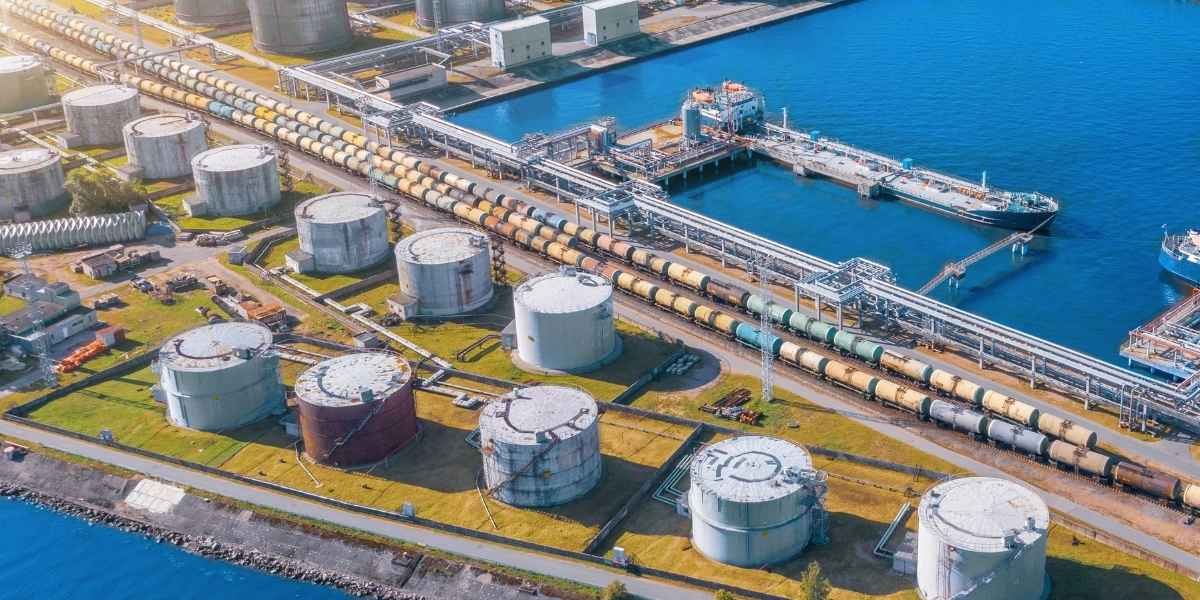
Texas natural gas exports to Mexico are facing renewed uncertainty after changes in U.S. policy affected the outlook for cross-border energy trade. The developments are drawing attention from Texas energy stakeholders because Mexico remains one of the state’s largest markets for natural gas.
Key Takeaways
- U.S. policy changes have created uncertainty for Texas natural gas exports to Mexico.
- Texas is a leading supplier of natural gas to the Mexican market.
- Energy companies are assessing the potential impact on cross-border trade.
- The developments could influence future export and infrastructure planning.
- Texas energy stakeholders are monitoring additional federal actions.
Texas natural gas exports entered a period of uncertainty after changes in U.S. policy raised new questions about the future of cross-border energy trade with Mexico. The developments are significant for Texas producers, pipeline operators, and businesses connected to the state’s natural gas industry because Mexico remains one of the largest destinations for U.S. natural gas delivered by pipeline.
Federal policy changes have prompted energy stakeholders to evaluate how future cross-border gas flows, permitting decisions, and infrastructure planning could be affected. While existing commercial activity continues, companies involved in production, transportation, and exports are monitoring federal actions that may influence future projects and long-term planning.
U.S. Policy Changes Affect Texas Natural Gas Exports
The latest policy developments have introduced uncertainty into the outlook for cross-border natural gas trade between the United States and Mexico. Texas plays a central role in that relationship because much of the natural gas exported to Mexico originates from fields and pipeline systems across the state.
Industry participants are reviewing how the policy changes could affect regulatory processes connected with energy exports. Companies are also assessing whether future investment decisions could require additional consideration while federal agencies clarify implementation.
The current developments do not change Texas’ position as a major producer of natural gas. Existing pipeline systems continue to transport fuel to customers in domestic and international markets, including Mexico. Recent investments such as the state’s first Energy Fund-backed power plant illustrate the continued importance of reliable energy infrastructure.
Energy producers and infrastructure operators continue to evaluate official guidance as additional information becomes available. Their assessments are focused on compliance requirements, project planning, and operational certainty rather than immediate changes to existing supply agreements.
Texas Energy Industry Assesses Cross-Border Trade Outlook
Texas remains home to a large network of natural gas producers, processors, pipeline operators, and export infrastructure. Businesses across the sector are reviewing how changing federal policy could influence future commercial activity involving Mexico.
Pipeline Operators Review Market Conditions
Pipeline companies are continuing to monitor regulatory developments while maintaining existing transportation operations. Cross-border pipeline systems remain an essential component of energy trade between Texas and Mexico, supporting industrial facilities, power generation, and commercial customers south of the border.
Infrastructure operators typically evaluate regulatory changes alongside long-term demand forecasts, contractual commitments, and maintenance planning. Current policy developments add another factor for companies to consider as they review future expansion opportunities.
Exporters Evaluate Business Implications
Natural gas exporters are also assessing the potential business implications associated with policy adjustments. Companies involved in production and transportation depend on regulatory clarity when evaluating future investments, infrastructure development, and commercial agreements. Texas continues to reinforce its position through its leading oil and natural gas production across multiple energy-producing regions.
The Texas energy industry routinely coordinates with federal regulators on matters affecting interstate and international energy transportation. Businesses are expected to continue reviewing official guidance before making decisions related to future export projects.
Mexico Remains a Key Market for Texas Natural Gas
Mexico continues to represent one of the most important export markets for Texas-produced natural gas. Pipeline connections between the two countries support electricity generation, industrial manufacturing, and commercial operations across multiple regions of Mexico.
Texas producers benefit from well-established pipeline networks that connect production areas with border crossing points. Those systems have helped facilitate consistent cross-border deliveries while supporting economic activity on both sides of the border.
Natural gas produced in Texas supplies a range of customers beyond the state’s borders. Mexico’s demand for pipeline-delivered natural gas has made the cross-border trade relationship an important component of regional energy commerce.
The existing commercial relationship between Texas suppliers and Mexican customers has developed through extensive infrastructure investment, long-term transportation agreements, and coordinated regulatory oversight. Those factors continue to support ongoing deliveries while stakeholders evaluate the implications of recent policy changes.
Cross-border energy trade also supports employment across multiple segments of the Texas economy, including production, pipeline operations, engineering, construction, equipment manufacturing, and related professional services connected with the natural gas sector. Continued oil and gas industry job growth reflects the workforce supporting these operations.
Export Infrastructure Continues to Support Regional Energy Trade
Texas has an extensive natural gas transportation network that connects producing regions with domestic markets, export facilities, and international pipeline systems. That infrastructure continues to operate as the primary pathway for pipeline exports to Mexico.
Existing Pipeline Networks
The state’s network includes gathering systems, interstate pipelines, processing facilities, compressor stations, and border connections that move natural gas from producing regions to end users. Existing infrastructure remains an important element of North American energy trade.
Infrastructure operators generally plan investments years in advance, taking into account anticipated demand, regulatory requirements, engineering considerations, and commercial agreements. Stable regulatory frameworks help companies evaluate future expansion opportunities.
Cross-Border Energy Connections
Cross-border pipeline connections continue to facilitate natural gas deliveries from Texas into Mexico. These systems provide an established transportation route that supports industrial consumers, electricity producers, and other commercial users.
Infrastructure planning often requires coordination among federal agencies, state authorities, private companies, and international partners. Any policy adjustments affecting export approvals or regulatory oversight may become part of future planning discussions for proposed projects.
Existing facilities continue to support current operations while stakeholders monitor additional federal guidance related to cross-border energy trade.
Industry Monitors Future Federal Policy Developments
Energy companies, infrastructure operators, and other industry participants continue monitoring federal actions related to natural gas exports. Regulatory certainty remains an important consideration for businesses involved in long-term capital planning and infrastructure development.
The Texas energy industry regularly evaluates changes affecting production, transportation, environmental compliance, permitting, and international commerce. Recent policy developments have added another area of attention for companies with operations connected to exports to Mexico.
State and regional businesses are expected to continue reviewing official announcements as federal agencies provide additional guidance. Companies typically assess new regulatory information before making decisions involving future infrastructure investments or commercial expansion.
Industry organizations, producers, and pipeline operators also continue tracking developments that could affect project timelines, export planning, and cross-border energy operations. Their reviews are centered on understanding regulatory requirements and maintaining compliance with applicable rules governing natural gas transportation.
Frequently Asked Questions
What U.S. policy changes are affecting Texas natural gas exports?
Recent changes in U.S. policy have created uncertainty regarding the future outlook for cross-border natural gas trade with Mexico. Energy companies are reviewing official guidance to understand any potential regulatory implications.
Why is Mexico important for Texas natural gas exports?
Mexico is one of the largest markets for natural gas produced in Texas. Pipeline connections between the two countries support electricity generation, industrial operations, and commercial energy demand.
How could the policy changes affect cross-border energy trade?
Energy stakeholders are evaluating whether the policy changes could influence future export planning, regulatory processes, and infrastructure development. Existing commercial operations continue while companies assess official guidance.
Which parts of the Texas energy industry are most affected?
Natural gas producers, pipeline operators, infrastructure companies, exporters, and businesses involved in cross-border transportation are among those monitoring the developments.
What happens next for Texas natural gas exports?
Industry participants are expected to continue reviewing future federal guidance and regulatory updates as they evaluate potential impacts on long-term planning and cross-border energy operations.